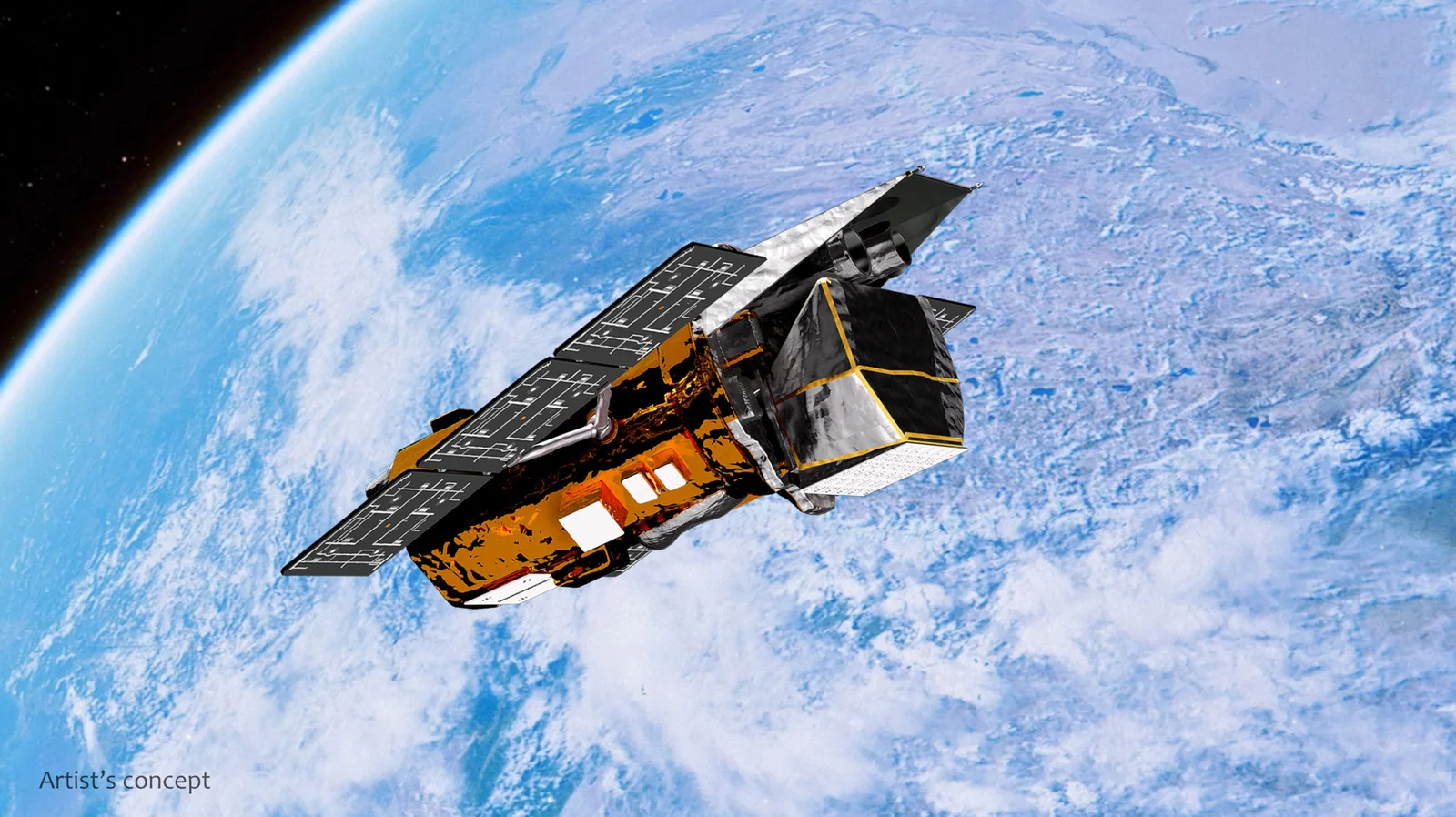
NASA's Swift Observatory Expected to Return to Earth
The agency’s attempt to rescue the aging spacecraft a few months ago ultimately failed.
Atmospheric Re-Entry
NASA's Neil Gehrels Swift Observatory will re-enter the atmosphere, according to US Armed Forces predictions. The exact timing carries an uncertainty window, but the 3,200-pound spacecraft is heading back to Earth 22 years after it launched and following an unsuccessful salvage effort.
The Failed Rescue Mission
Earlier in the year, NASA launched the Swift Boost mission to rescue the space telescope as its orbit decayed rapidly. The mission attempted to use a robotic spacecraft to dock with the observatory and push it to a higher orbit. However, technical control issues prevented proper orientation, leading to communication failures and causing NASA to terminate the rescue initiative.
Scientific Legacy
Operations were officially concluded after the observatory entered safe mode. Over its operational lifetime, Swift observed more than 2,000 gamma-ray bursts, along with 1,400 supernova explosions, comets, asteroids, and stellar disruptions caused by black holes.
Space agencies note that most of the spacecraft will burn up during atmospheric entry, though minor components may reach the ground with minimal risk to the public.