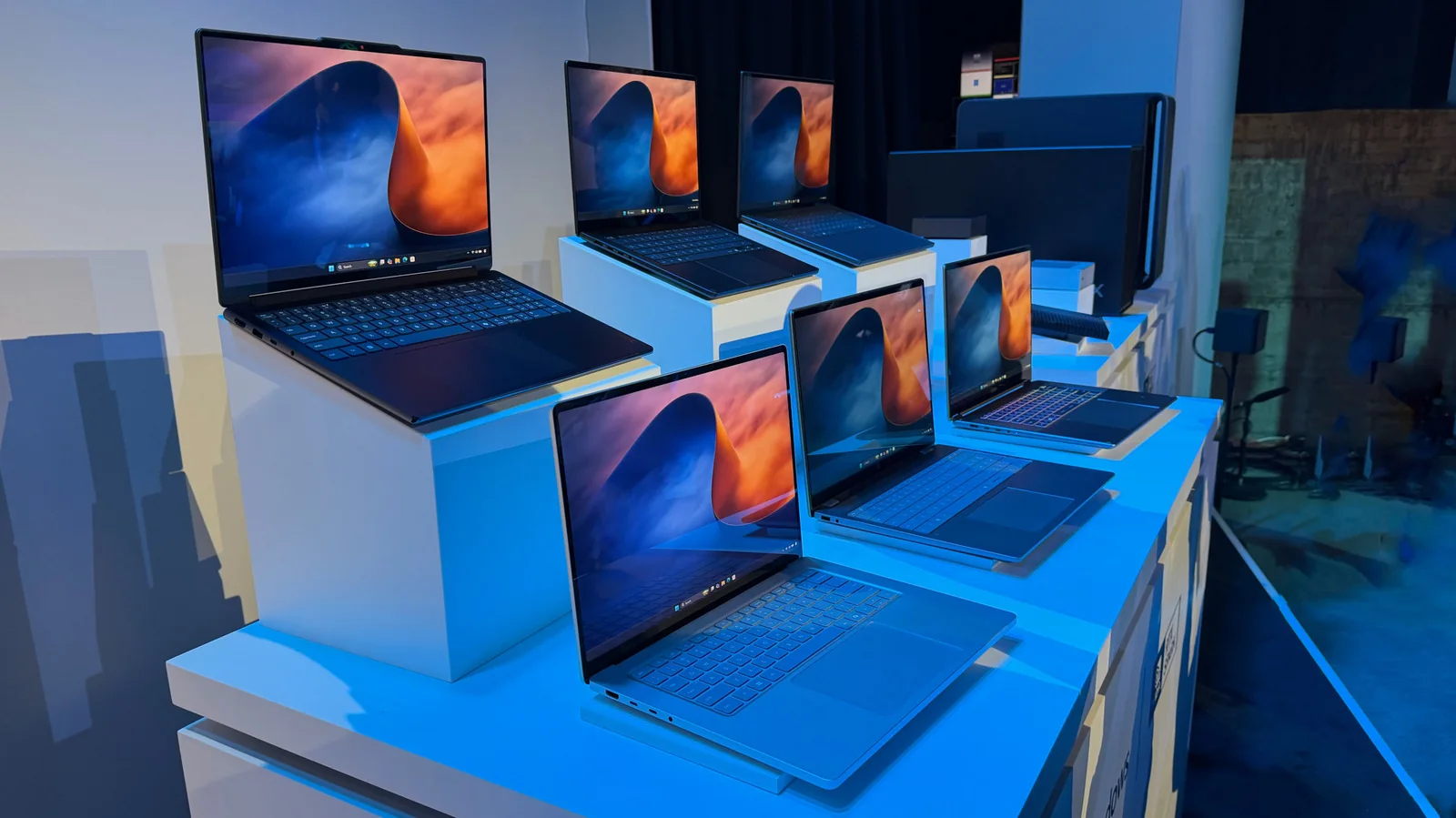
NVIDIA's RTX Spark is good for Windows, even if you don't need local AI
Windows PCs may finally catch up to Apple Silicon.
Last week, I spent two days hearing how Microsoft and NVIDIA are reinventing the PC with RTX Spark, the new system-on-a-chip powering the Surface Laptop Ultra and several other Windows PCs this fall. It's the first time we've seen powerful Arm CPUs joined together with NVIDIA's Blackwell GPU technology and up to 128GB of ultra-fast unified memory on a single chip. Theoretically, RTX Spark should allow for thin-yet-powerful laptops that can handle AI tasks locally, as well as tackling content creation and gaming.
RTX Spark is clearly a response to Apple Silicon and the transformational changes it brought to Macs. Apple's chips are also made up of a powerful Arm CPU, capable GPU and fast unified memory. With RTX Spark, Windows users finally have a way to see the benefits of an efficient Arm-based SoC on high-end PCs.
Both companies want to sell us a future where we can run AI models and agents right from an RTX Spark-powered Windows laptop. But even if that future doesn't come to pass, RTX Spark could still lead to some intriguing changes in the PC world.
Under the hood with RTX Spark
The RTX Spark SoC is powered by up to 20 NVIDIA Grace Arm CPU cores, a Blackwell GPU with up to 6,144 CUDA cores, and up to 128GB of unified LPDDR5x memory running at 9,400 Mbps. RTX Spark also includes fifth-gen tensor cores, fourth-gen ray tracing cores, and a Blackwell video engine with AV1 support.
By packing this hardware onto a single chip, NVIDIA claims the RTX Spark is twice as efficient as a laptop powered by an Intel Core Ultra 9 285H and an RTX 5070 dedicated GPU while gaming at 60 watts.
If you plan to stay plugged into power most of the time, you may see little benefit from an RTX Spark system. But if you need to do serious creative work on the go, its improved efficiency allows PCs to work as fast on battery as they do while plugged in.
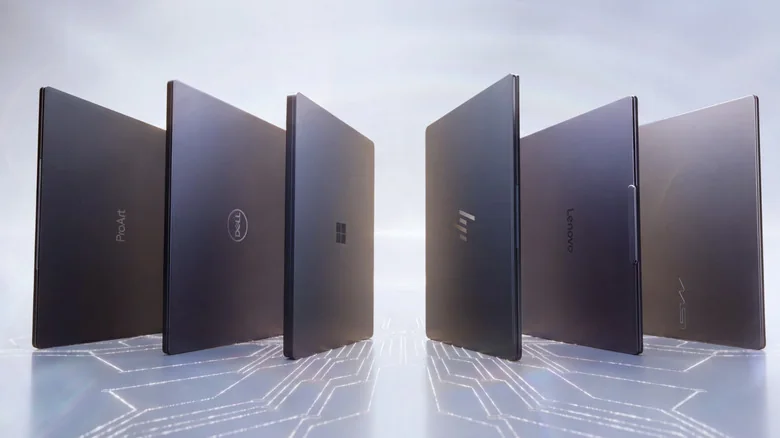
RTX Spark is built for AI, but also helps content creation and gaming
With its support for massive unified RAM, RTX Spark systems appeal to AI developers who need memory to run large AI models locally. It arrives as Microsoft adds deeper support for on-device AI tools and simplified agent setups in Windows 11.
NVIDIA is also highlighting gaming capabilities, promising performance similar to an RTX 5070 laptop with support for DLSS 5 and a new performance mode for DLSS Frame Generation.
Since RTX Spark is Arm-based, it won't natively run every game on Windows, but Microsoft's Prism emulator ensures key titles will be supported at launch alongside ongoing anti-cheat compatibility work.
If gaming is your absolute top priority, traditional Intel or AMD systems with dedicated GPUs remain safer choices to avoid emulation overhead.
The platform is equally useful for content creation, supporting hardware acceleration in Blender while major software suites like Adobe Photoshop and Premiere are re-architected natively for NVIDIA's platform.
RTX Spark isn't for everyone, but that's okay
NVIDIA isn't targeting casual consumers with RTX Spark, given starting prices of $2,600 for 18-core systems and up to $5,900 for fully equipped configurations with 128GB of RAM. Still, that remains competitive against high-end MacBooks.
By existing, the RTX Spark platform pushes competitors like AMD and Intel to innovate faster in unified memory and efficiency, which ultimately benefits the entire PC market.