Introduction
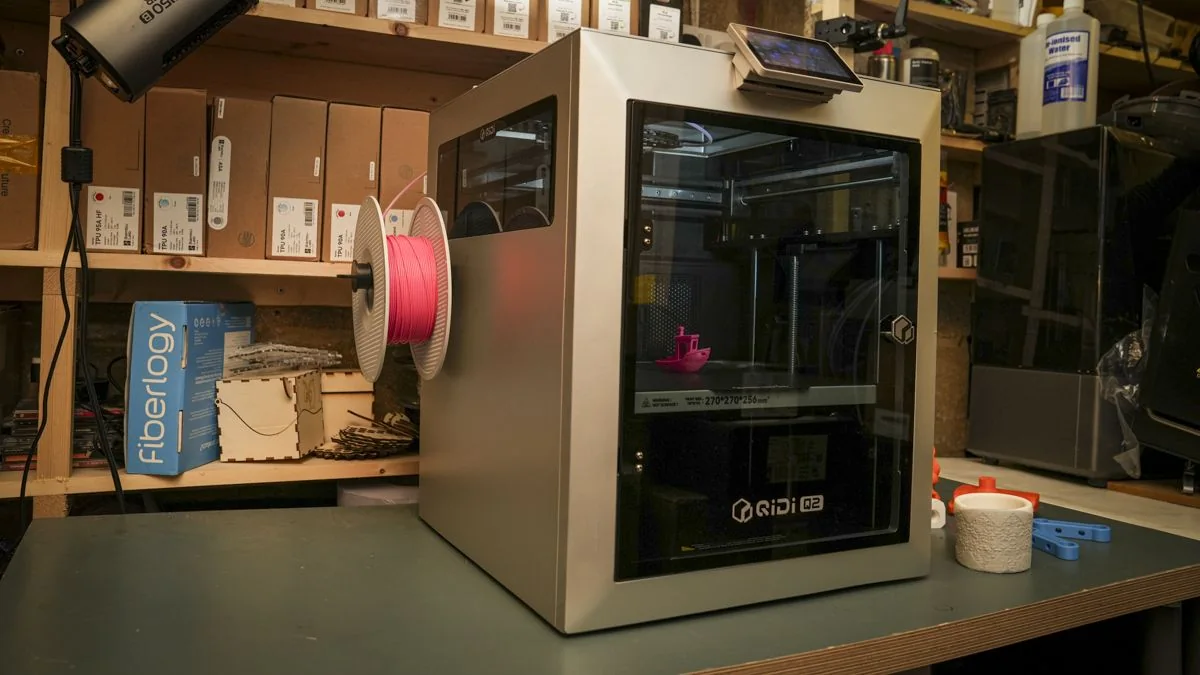
Upon unboxing, the Qidi Q2 immediately impressed the source reviewer, reflecting the positive attributes observed in previous Qidi machines. This model presents a more compact footprint, making it well-suited for smaller workshops and studios.
While Qidi may not be as widely recognized as some larger brands, and its machines might not feature the same cutting-edge innovations as competitors like Prusa Research or Bambu Lab, the brand consistently delivers exceptional reliability.
The Q2 demonstrated consistent, fuss-free operation over an extended period, reliably printing various materials including PLA, ASA, ABS, and PETG-CF with consistent quality.
The printer's ability to seamlessly integrate into a workshop or classroom environment, performing its tasks without constant attention, highlights its absolute refinement and reliability, even if it lacks headline-grabbing features.
In both business and educational settings, reliability often proves to be a more critical factor than peak speed figures or advanced multi-tool changers, especially when the primary goal is consistent printing.
Design Overview
The Qidi Q2 features a 402 x 438 x 494mm frame, offering a welcome change from larger, bulkier printers. Despite its smaller size, it provides a respectable print area of 270x270x256mm, suitable for most prototyping needs, though larger cosplay props or helmets may require multi-part printing.
Weighing 18.1kg, the Q2 is manageable for movement and storage in smaller workshops, avoiding the excessive weight of some contemporary machines.
Its construction is solid, with CoreXY mechanics and a full-metal frame contributing to a robust feel. The design aligns well with workshop machinery, allowing it to integrate seamlessly into such environments.
The Q2 has proven to be a valuable addition in print workrooms, handling smaller prints and artworks alongside larger Qidi machines, consistently delivering quality, speed, and reliability.
A fully enclosed construction is a key feature, particularly beneficial for educational settings, as it keeps users' fingers safely away from the heated internal chamber and hot end.
The 4.3-inch touchscreen interface is straightforward and easy to navigate. The automatic calibration system is a significant advantage, allowing users to set up the machine and largely forget about manual adjustments.
Automatic bed leveling, combined with the dual-sided textured PEI build plate, minimizes misprints, and finished prints are easily removed once cooled.
The Qidi Q2 is designed as a dependable studio component, a printer that integrates into the workflow rather than demanding constant attention.
Key Features
The Q2's features, while impressive, position this fully enclosed printer at an entry-level standard by today's rapidly advancing technology, showcasing the significant progress in 3D printing over recent years.
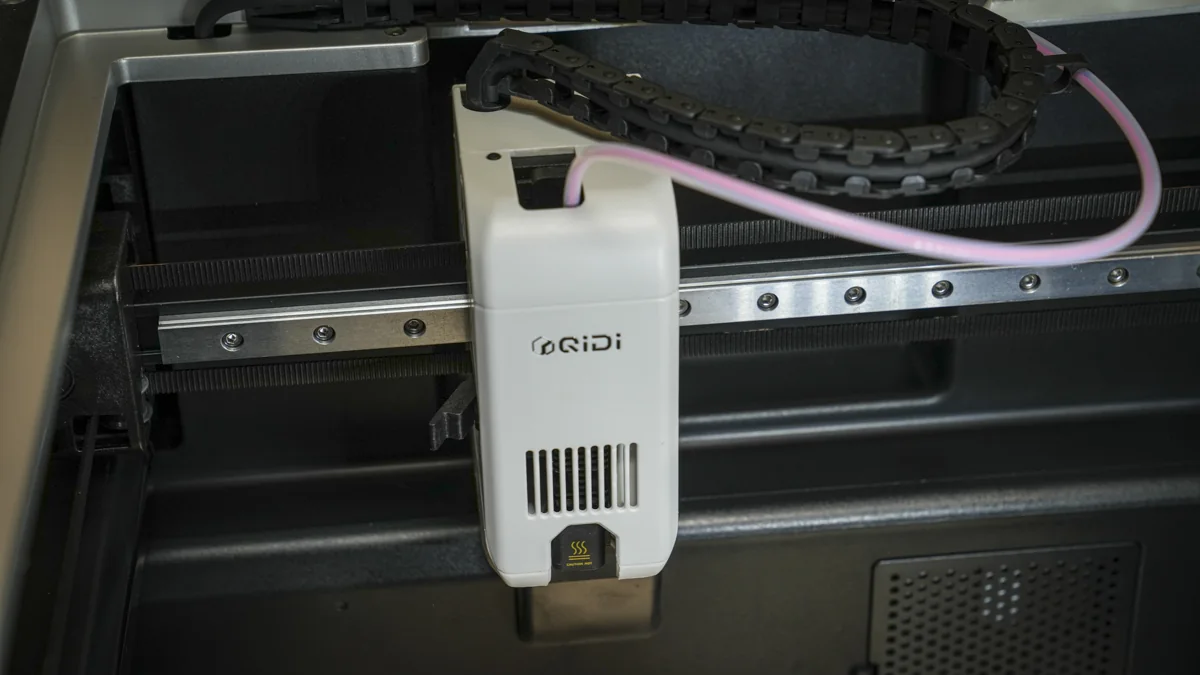
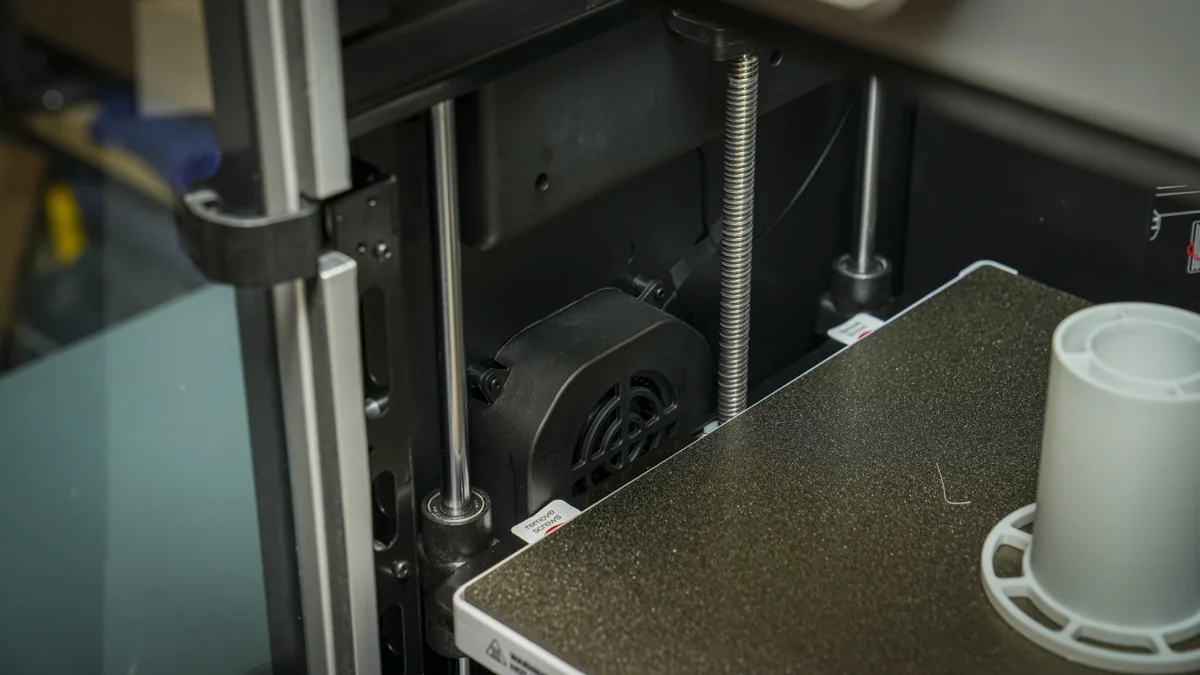
Its premium appearance stems from the fully enclosed design, which houses a CoreXY motion system utilizing heavier 1.5GT belts, linear guide rails on the X-axis, and dual independent lead-screw motors for the Z-axis. These are features that have become standard even in entry-level machines, following their initial impact from innovators like Bambu Lab.
The toolhead reaches speeds of up to 600mm/s with acceleration up to 20,000mm/s². While fast compared to older Cartesian machines, this places its print speeds at a reliable and steady pace rather than the cutting edge, as some machines now exceed 1000mm/s.
The printer ships with QidiSlicer, a heavily adapted derivative of Prusa Slicer designed for ease of use. The default profiles are robust and well-tested, simplifying the printing process for beginners who only need to select their filament type.
With a print volume of 270 x 270 x 256mm, the Q2 offers a decent size, slightly larger than the standard 250 x 250 x 250mm found in many 3D printers. The aluminum-substrate heated bed, topped with a removable dual-sided textured PEI plate, can reach temperatures of up to 120°C.
The standard bimetal 0.4mm hotend nozzle impressively reaches 370°C, enabling out-of-the-box compatibility with engineering materials. Its direct-drive extrusion system with hardened-steel gears is built for durability and maximum filament support.
While the 0.4mm bimetal nozzle is standard, alternative sizes (0.2, 0.6, 0.8mm) are available. For frequent printing with abrasive materials, investing in a Tungsten Carbide nozzle is recommended for extended lifespan.
The Q2 boasts extensive material compatibility, supporting common filaments like PLA, PETG, and TPU, as well as advanced materials such as ABS, ASA, PA, PC, and carbon/glass-fibre reinforced polymers. For the latter, the Tungsten Carbide hotend upgrade is advised.
As a fully enclosed machine, the Q2 includes an active PTC chamber heating system that can raise the internal temperature to 65°C. This feature is crucial for printing materials like ABS, ASA, and engineering polymers, as it helps control warping and other print issues.
For regular use of carbon-fibre or nylon, the source reviewer suggests investing in a filament dryer in addition to the hardened hotend, despite the printer's out-of-the-box capability with these materials.
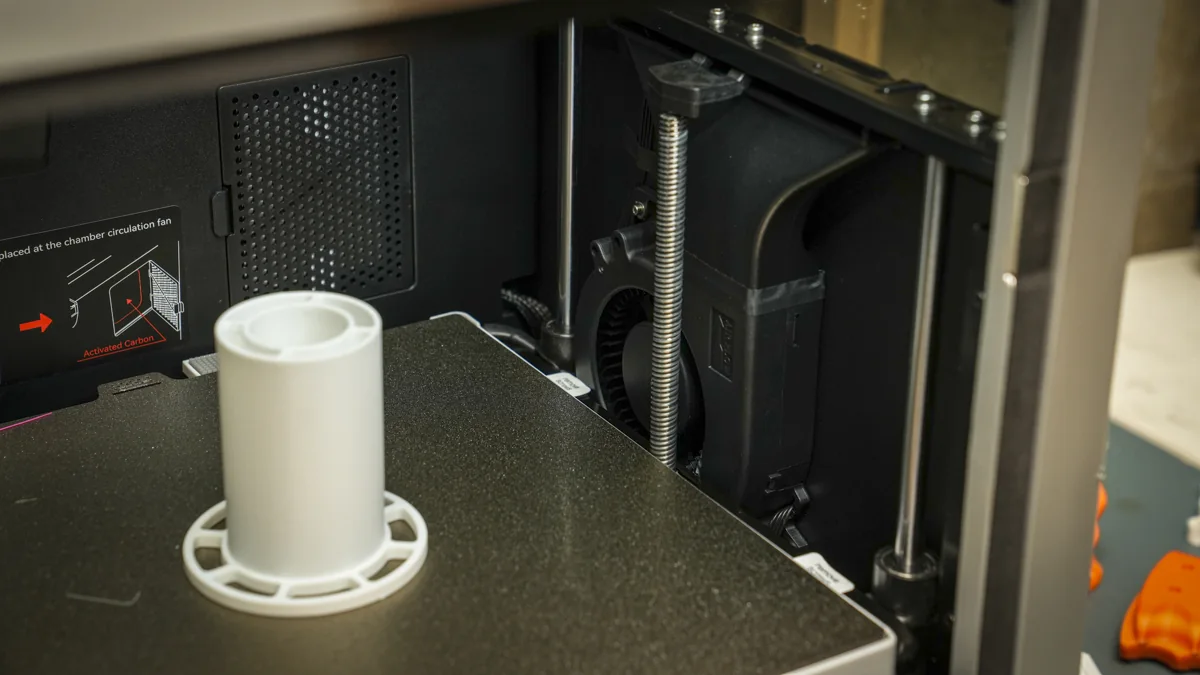
Additional features beneficial for small studios and educational environments include a G3 pre-filter, H12 HEPA filter, and coconut-shell activated-carbon filter, which effectively mitigate fumes and small particles produced by advanced materials.
The Q2 utilizes hands-free automatic leveling with a load-cell sensor integrated directly into the hotend, eliminating the need for a separate offset probe during the leveling process.
In practical use, the calibration process is straightforward, and once completed, the source reviewer found little need for manual fine adjustments.
Other advanced features include a 1080p resolution camera for print monitoring and time-lapse sequences, now enhanced with AI to automatically detect defects.
Standard connectivity options such as WiFi (2.4GHz), Ethernet, and USB are available, complemented by a 4.3-inch, 480 x 272 touchscreen for easy setting adjustments.
Performance and Reliability
The simplicity of single-filament printing was a welcome return for the source reviewer after experiencing more complex multi-filament machines. The initial PLA prints immediately impressed with their quality.
Throughout various test prints, both stock models and additional designs, the quality and speed remained consistent. Positioned as a mid-speed printer, the Q2 strikes a good balance between speed and quality for its price point.
Notably, the machine demonstrated consistent, issue-free printing over an extended period, seamlessly becoming an integral and constantly used part of the workshop.
This high level of reliability is consistent with other Qidi printers used by the source reviewer, with another Qidi model operating reliably for nearly two years in a college setting, consistently meeting safety requirements.
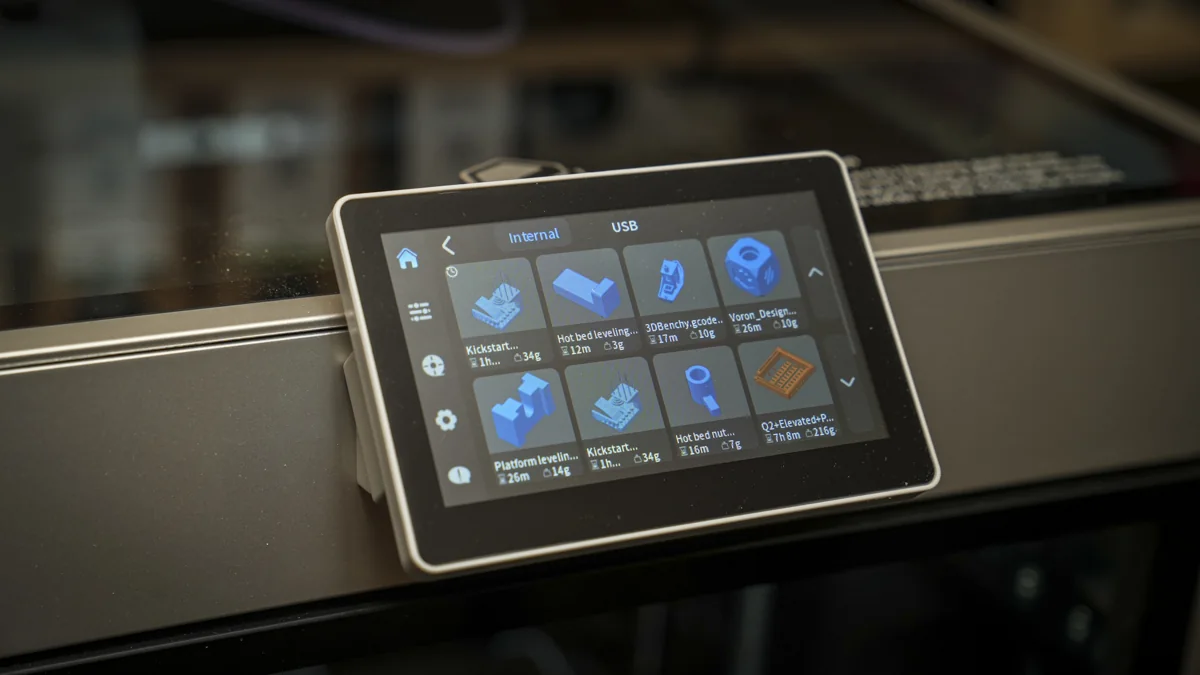
The auto-calibration ensures a slow and precise first layer, and the source reviewer never needed to make manual adjustments to the initial calibration height.
Prints consistently adhere firmly to the heated bed during the printing process, even when producing multiple items, and release easily once the platform cools.
The printer proved easy to restart after periods of inactivity, requiring only a power-on and a quick bench test to resume perfect printing.
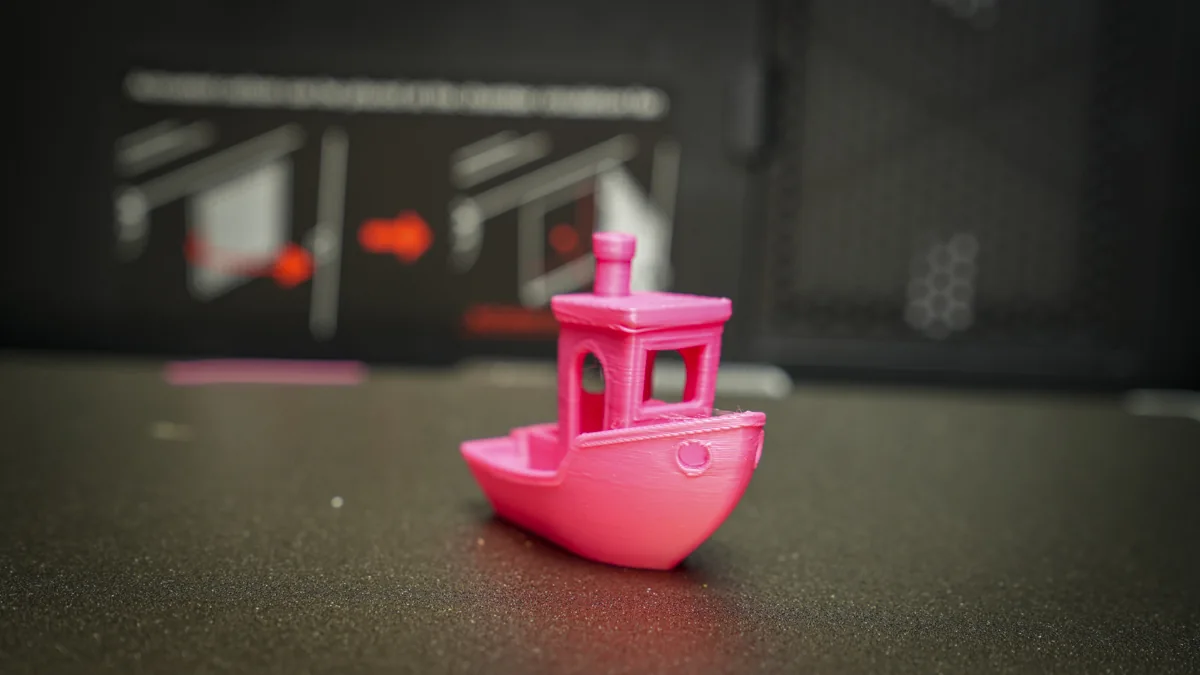
Benchmark tests conducted by the source review yielded impressive results, indicating strong print quality across various metrics.
Verdict Summary
The Qidi Q2 3D printer, despite its entry-level pricing, demonstrates a careful balance of build quality and reliability. Its consistent performance makes it a valuable tool.
It functions as a dependable, standard out-of-the-box machine, providing exactly what is needed for educational environments, small businesses, or design studios.
Used as a single-filament machine, the Q2 offers a solid, no-fuss approach with extensive material support. Key features like the CoreXY design, cooling system, filtration, and fully enclosed construction ensure reliability and ease of use for both beginners and professionals.
The Qidi software is well-designed, with a streamlined approach that makes it ideal for newcomers to 3D printing, featuring a well-thought-out machine connection and slicing workflow.
While it may not boast the very latest features or cutting-edge additions, the Q2 perfectly refines its machine style. Users seeking more advanced capabilities can explore optional hotend upgrades and the QIDI Box for multi-filament printing.
For those in need of a solid, reliable, and fuss-free 3D printer, the Qidi Q2 is an great option. As a single-filament machine, it offers great value and is nearly perfect for its intended purpose.
Should You Buy the Qidi Q2 3D Printer?
If consistent performance and reliability are paramount for your classroom, workshop, or busy home setup, the Q2 excels. Once calibrated, it operates with minimal maintenance or recalibration.
The Q2 is highly versatile, perfect for everyday PLA prints and, with its fully enclosed chamber and upgrade options, also capable of handling more advanced materials.
While the 270 x 270 x 256mm build area is ample for most daily printing, large prototypes or single-piece models will necessitate a printer with a larger build volume.
A maximum print speed of 600mm/s is good but not exceptional when compared to some faster competitors. The Q2's primary strength lies in its consistency rather than raw speed.