Sigma FP2: One-minute review
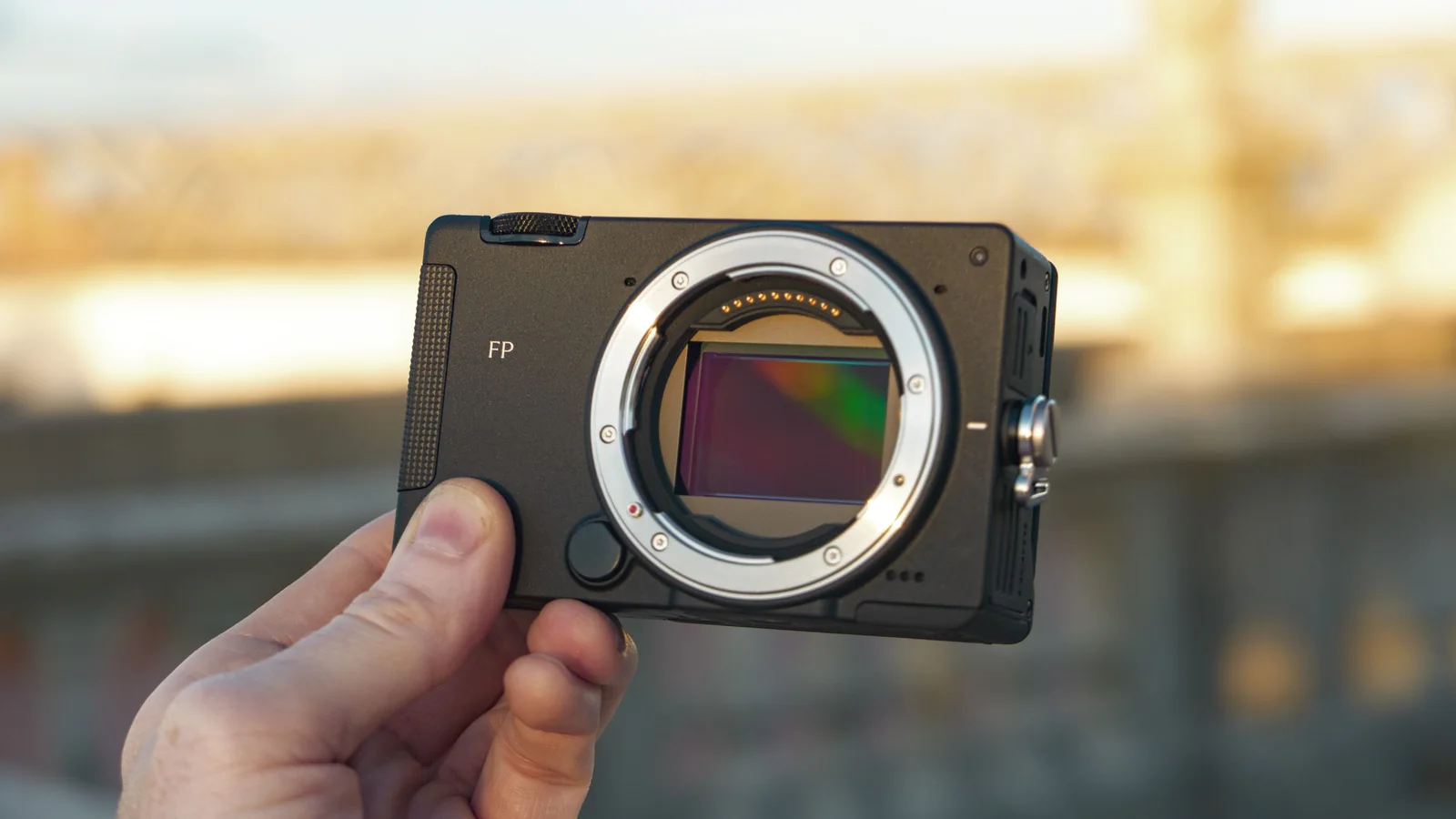
Sigma's FP2 is a successor to the world's smallest full-frame mirrorless camera, the FP, and it's even smaller, despite coming with a range of useful upgrades.
The FP2 packs a partially stacked 24.5MP full-frame sensor seen in comparable advanced models. It shoots 6K open gate video utilizing an L-Log color profile, along with RAW video support through an external SSD.
It comes with 70GB of built-in memory, a higher-capacity battery matching recent full-frame Lumix models, and a 3.15-inch tilt-touchscreen.
Autofocus performance features a hybrid phase detection system capable of tracking more subjects with improved speed and accuracy.
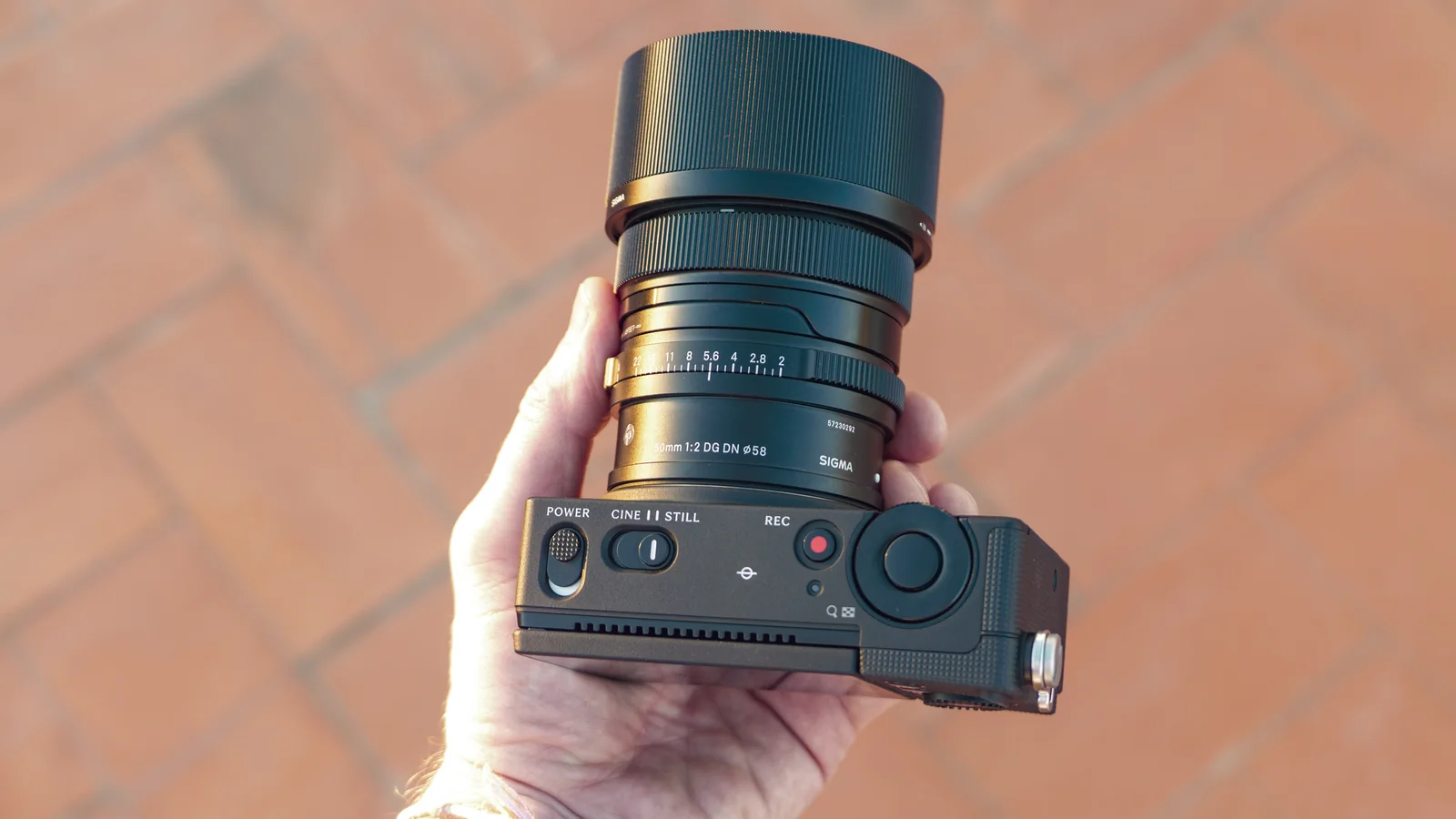
These features are packed into a diminutive and sturdy metal body with a simple design and user experience that clearly separates photo and video functions.
When considered purely as an upgrade to the original FP, the FP2 is a solid camera, though the pursuit of miniaturization introduces compromises such as the lack of in-body image stabilization.
There is no built-in viewfinder, but Sigma offers an optional, exceptionally bright 5.76m-dot electronic viewfinder that tilts for waist-level shooting.
Source reviews noted that photographers accustomed to traditional bodies will frequently look for a built-in viewfinder, making the optional EVF an essential purchase for many creators.
While the base price is reasonable, factoring in required accessories causes the overall package cost to escalate quickly.
Overall, conventional alternatives may offer better baseline value, but the Sigma FP2 remains uniquely appealing for users who value extreme compactness and modular handling.
Sigma FP2: Price and release date
The camera was announced priced from $2,199 / £1,899 for the body only.
It is available in various bundle configurations, including packages featuring the EVF-21 electronic viewfinder or the 50mm F2 DG Contemporary lens.
Retail availability begins on November 11.
At first glance, the body-only price feels like excellent value for a rugged full-frame camera, but the ecosystem relies heavily on optional accessories.
The EVF-21 tilt electronic viewfinder adds $500 / £500 when bundled, and lens kits such as the 50mm F2 package bring the total to $2,749 / £2,419.
Additional accessories include a hot shoe unit, base plate, and LCD viewfinder, meaning buyers should budget for supplementary gear.
Sigma FP2: Design
The camera features an even smaller footprint than the original FP while maintaining a robust structural build.
Its modular configuration accommodates optional accessories like the external electronic viewfinder.
The interface offers a straightforward user experience tailored for quick operation.
The FP2 preserves the DNA of the original model while successfully fulfilling Sigma's mission to deliver an exceptionally small full-frame camera.
It functions as a photo and video hybrid with a dedicated switch to separate settings and menus for each discipline.
Controls include an exposure dial and dedicated buttons for color profiles, supporting multiple presets alongside Log and RAW options.
The 3.15-inch touchscreen features a tilt mechanism and integrated ventilation vents to assist with thermal management during high-resolution recording.
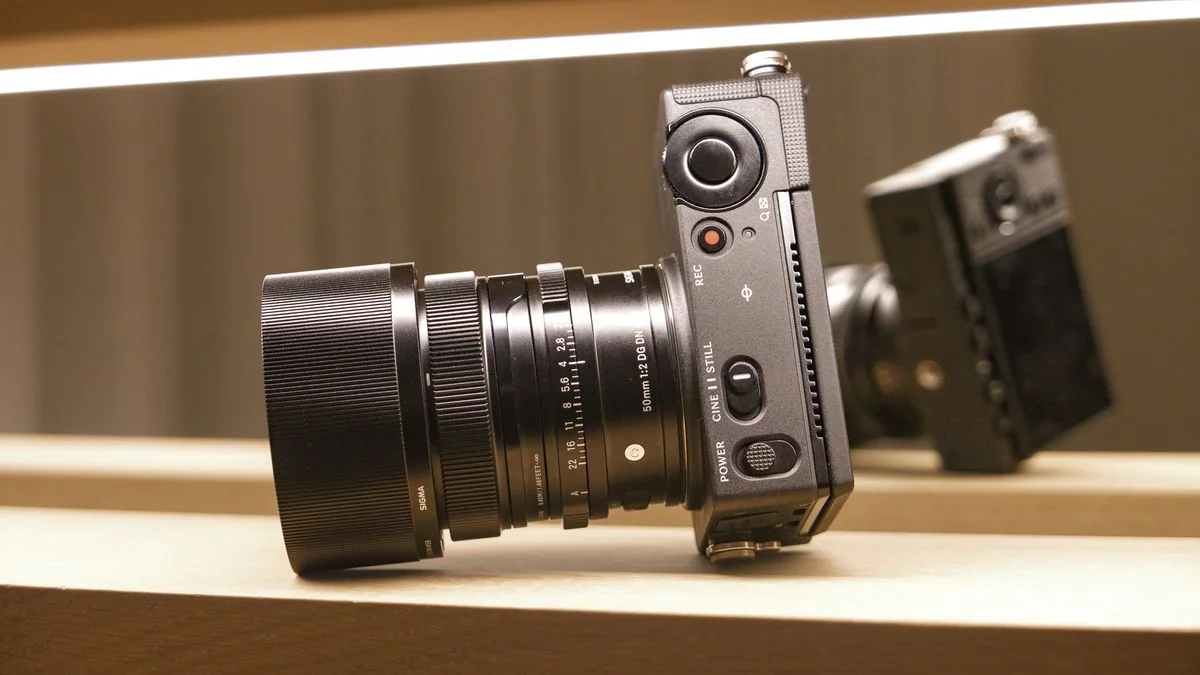
While lacking a built-in EVF, Sigma addresses this omission through bundled kit options.
The modular approach allows users to strip the camera down for minimalist video shoots or attach displays for photography.
The external 5.76m-dot tilt display connects securely via a USB-C port.
The inclusion of 70GB of usable internal memory provides a reliable alternative storage medium alongside traditional SD cards.
The battery utilizes the same high-capacity unit found in recent Lumix models, delivering solid longevity despite the compact chassis.
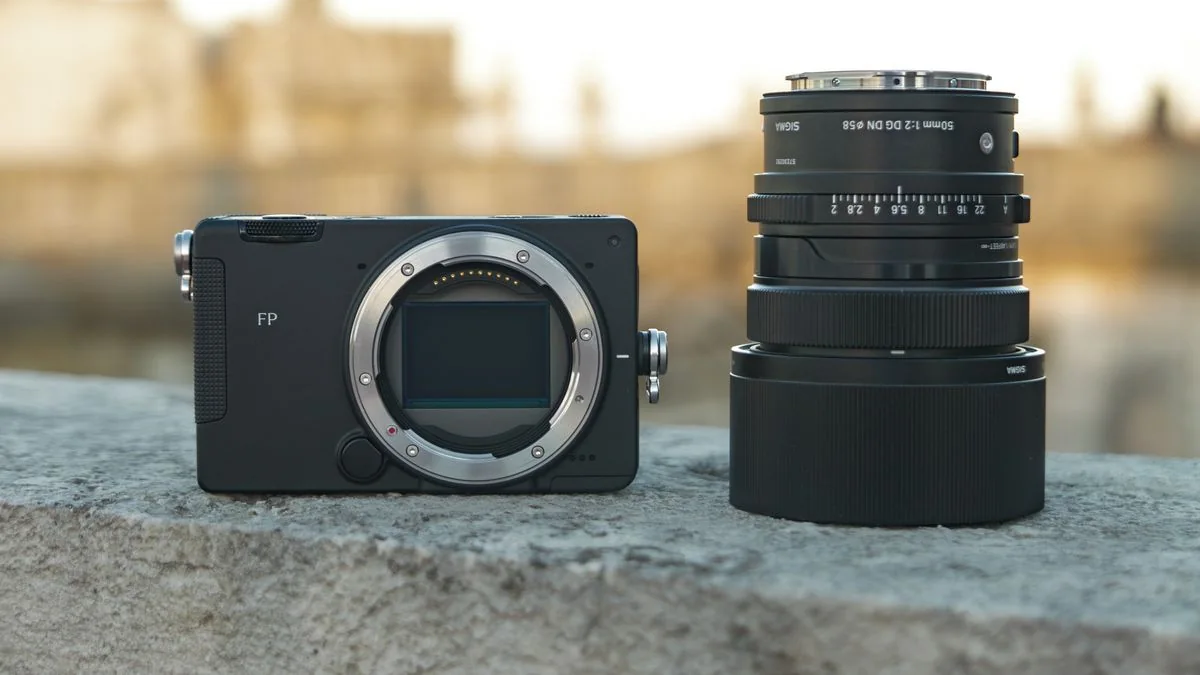
Handling compromises include a flat-fronted body lacking a sculpted hand grip, which can make larger lenses feel front-heavy.
In its basic configuration, no smaller camera exists in this class, though achieving maximum ergonomics requires additional attachments.
The modular mounting points double as strap attachment loops, showcasing thoughtful industrial design.
Reviewers found that prolonged handling reveals a deeply appreciated design philosophy tailored for specific creative workflows.
Sigma FP2: Performance
The camera centers on a 24.5MP partially stacked full-frame sensor operating without internal stabilization.
It supports 6K open gate video recording up to 60fps and 4K slow motion up to 120fps.
Users have access to 13 color profile presets and Log formats, though RAW video recording requires an external storage drive.
Performance enhancements include faster autofocus tracking and integrated internal memory storage.
Because the sensor lacks mechanical stabilization, handheld video recording requires extra care or external stabilization methods.
Operators can utilize recorded gyro data for post-production software stabilization or mount the camera on a gimbal.
Output quality for both photos and 6K video is praised for sharpness, color versatility, and flexible aspect ratios suitable for modern publishing.
Stills can be captured in DNG RAW format with continuous shooting speeds reaching up to 20fps for rapid action sequences.
Autofocus tracking proves snappy on human subjects and smooth for video applications, offering a noticeable improvement over previous iterations.
While internal memory handles standard files reliably, demanding RAW video workflows necessitate a fast external SSD.