Sony Bravia Theater Trio (HT-A8) review
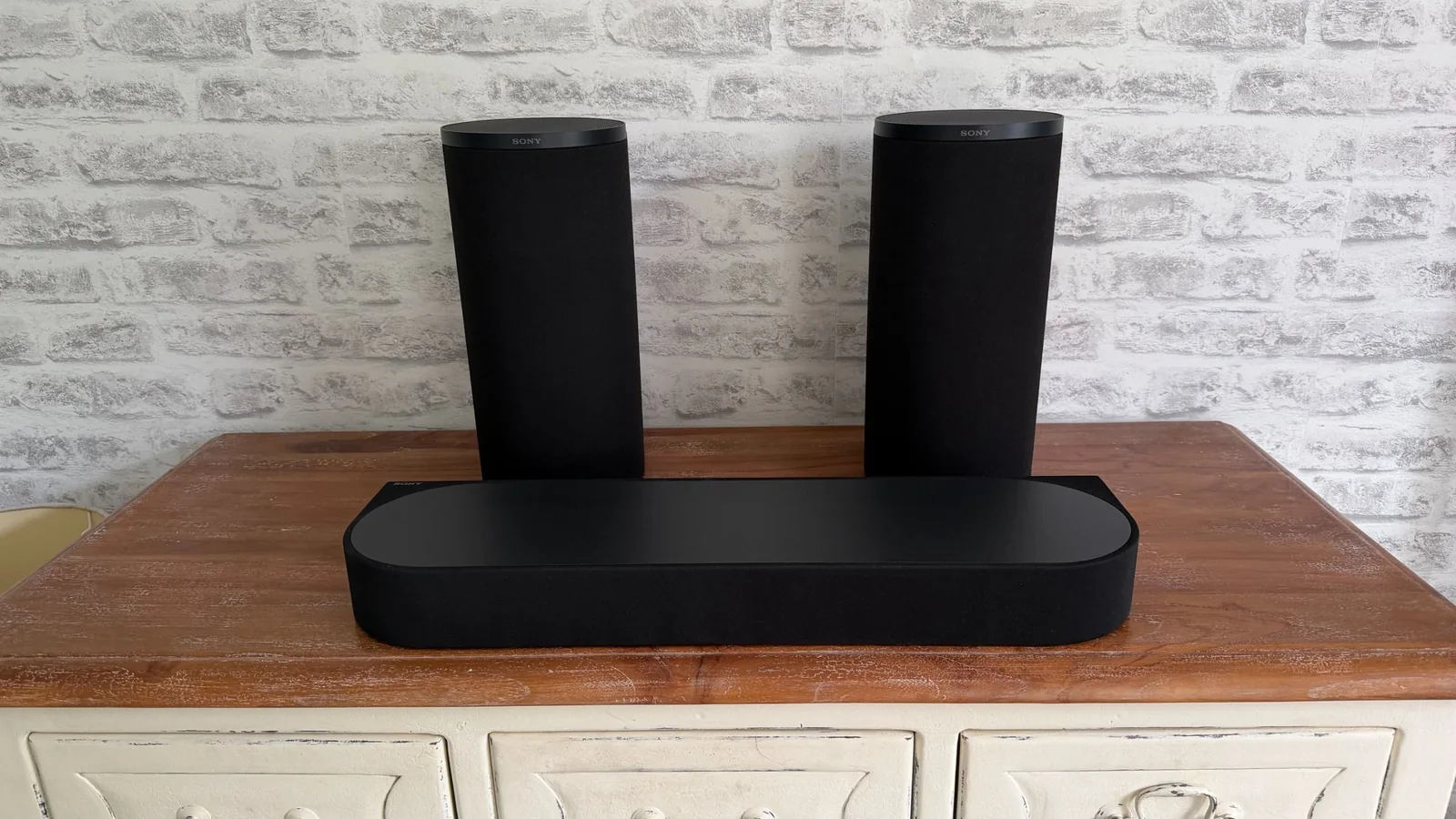
The Sony Bravia Theater Trio is hard to define, but easy to love. Hard to define because its three-speaker package doesn’t feel quite like either a soundbar or a home theatre separates system; easy to love because it sounds amazing.
The system was borne from frustration in Sony's audio department about the inability of regular soundbar solutions to deliver sound with enough power and scale to convincingly partner with really big TVs. Rather than creating a mammoth single soundbar, the manufacturer opted for a practical three-piece centre, left, and right speaker package instead.
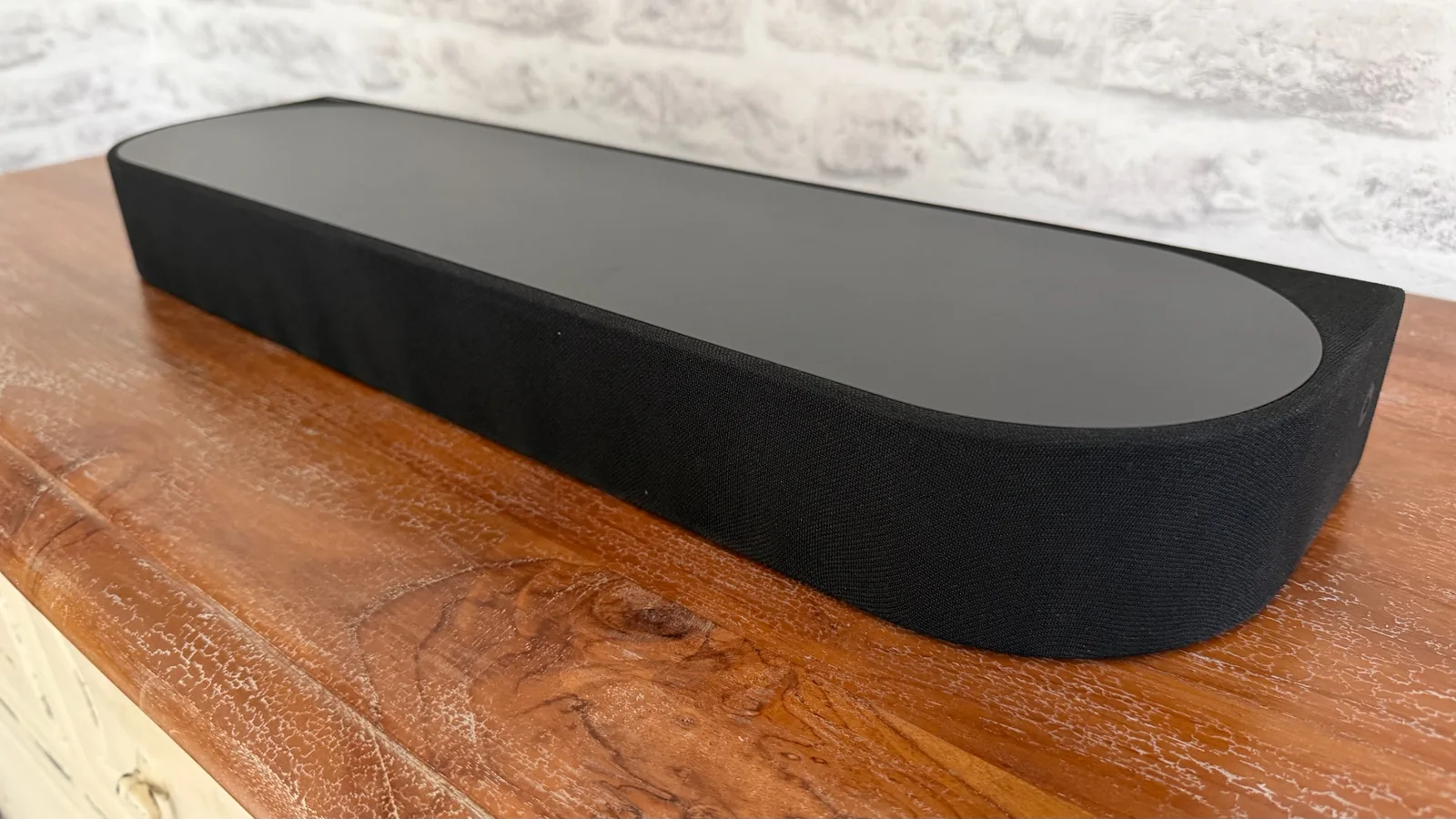
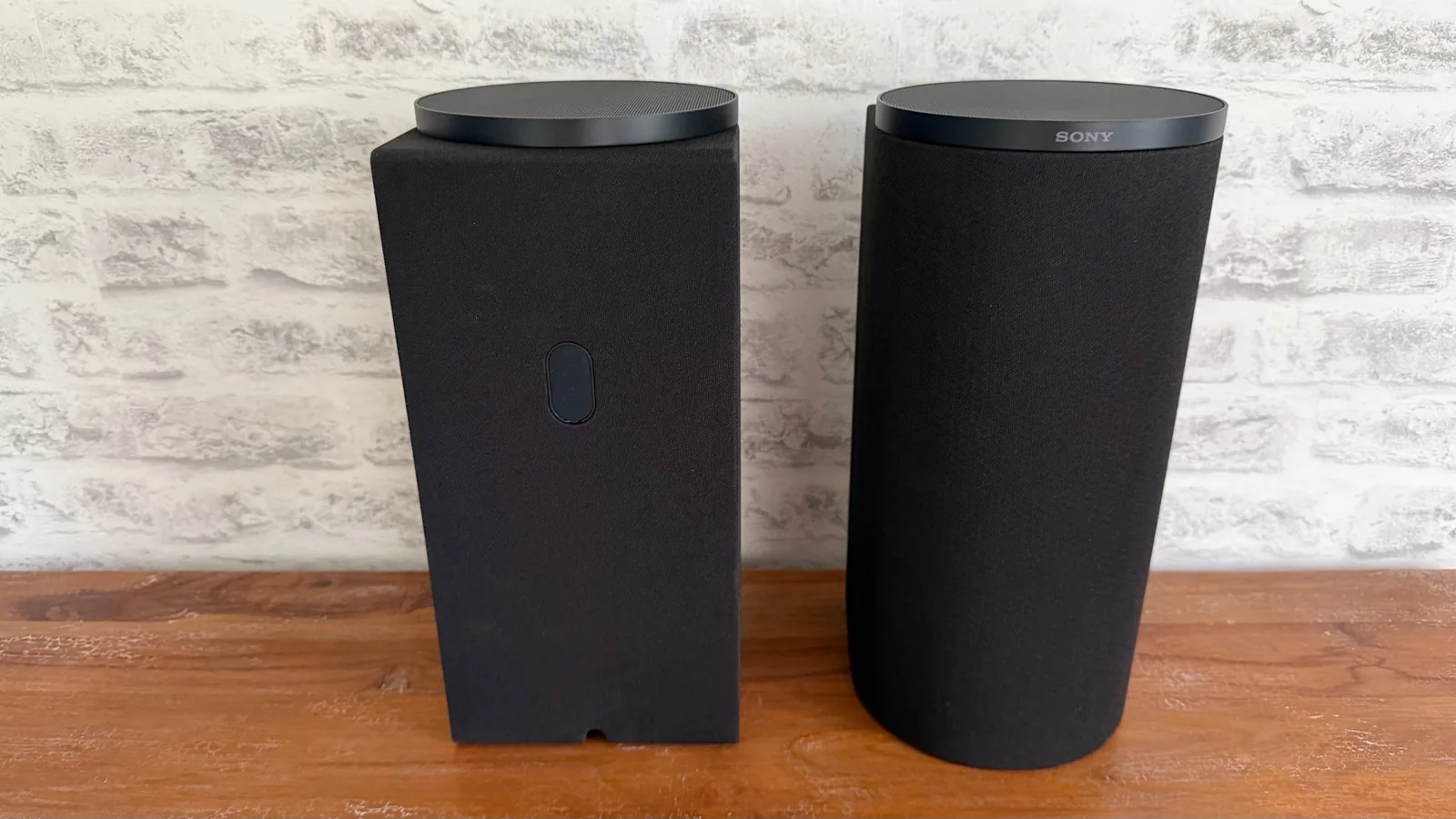
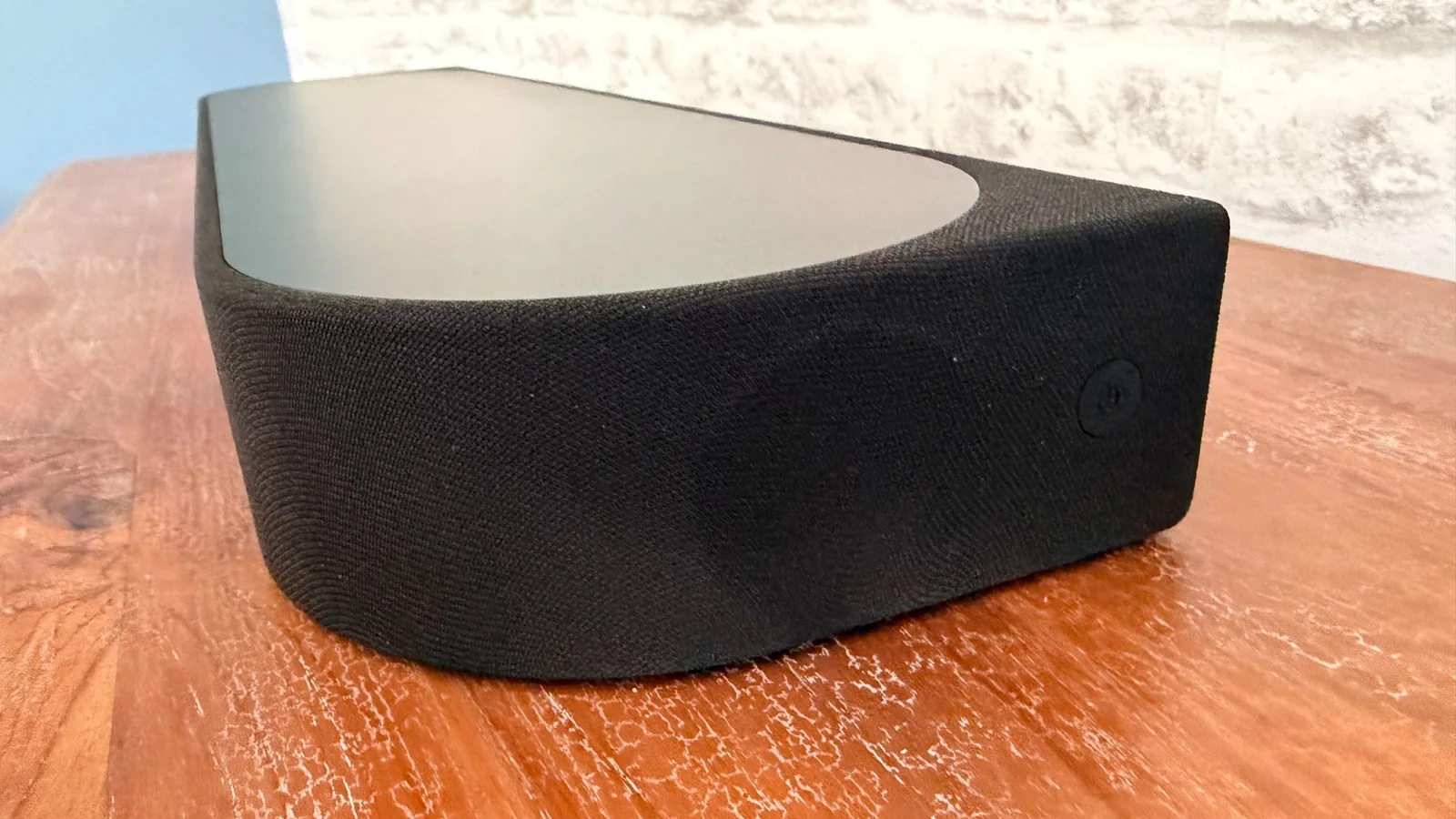
While the left and right speakers are larger and heavier than typical satellite speakers, the package remains startlingly compact overall for a system designed for king-sized displays. The center speaker measures 23.19 x 2.52 x 6.5 inches, while the wireless left and right speakers can be placed as far apart as the room allows to match the visual scale of massive screens.
The system is flexible enough to be worth considering for any home theater fan with the budget, regardless of whether they own an ultra-large television.
Spatial Audio and Performance
Though the physical configuration relies on dedicated left, right, center, and up-firing channels, the Bravia Theater Trio utilizes 360 Spatial Sound Mapping to add up to 24 virtual channels generated through advanced psychoacoustic processing.
The calibration process uses a supplied mic dongle plugged into a phone to tailor the audio profile to the specific room layout, ensuring a coherent and balanced soundstage regardless of awkward architectural obstacles.
This room adaptation feature becomes even more potent when paired with optional rear surround speakers, successfully plunging listeners into a comprehensive 360-degree sound environment.
Beyond its spatial tricks, the hardware offers a comprehensive set of features tailored for modern media setups.
The slim center speaker fits neatly on a desktop beneath a television, while the left and right cylinders feature flat sections built for straightforward wall mounting.
Connectivity and Features
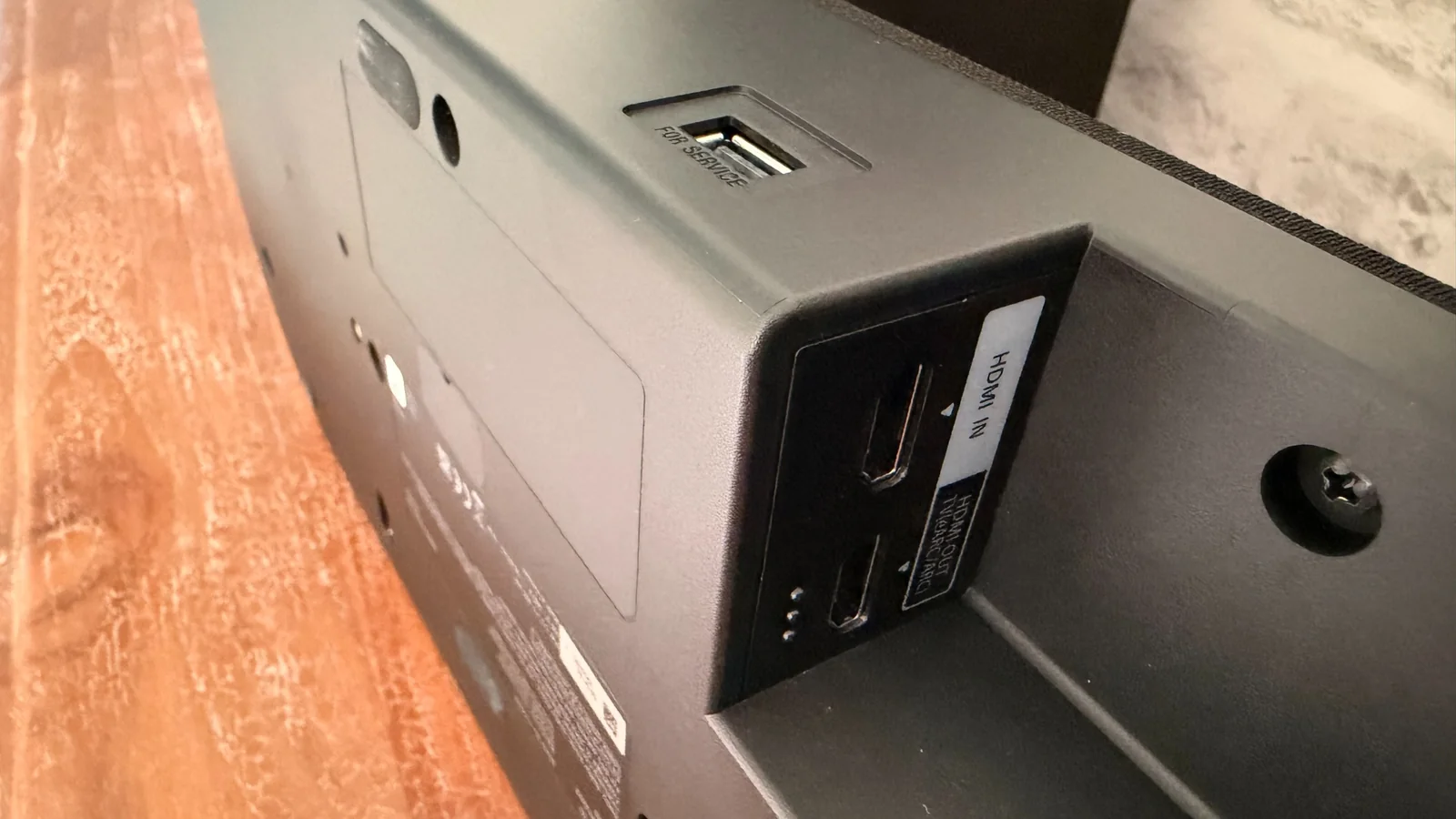
Connectivity includes an HDMI loop-through supporting 4K/120Hz gaming feeds, alongside HDR10, HLG, and Dolby Vision formats, while the eARC-enabled output handles audio feeds directly from the TV.
Physical ports are otherwise sparse, restricted to a service USB slot. However, built-in Wi-Fi and Bluetooth 6.0 bridge the gap for modern households.
Wireless protocols support direct streaming via Spotify Connect and Apple AirPlay 2, alongside Hi-Res Audio files and DSEE Ultimate AI upscaling for compressed tracks.
Setup is managed via the Bravia Connect app for iOS and Android, which serves as a vital visual interface given the absence of an onboard LED display on the sound system.
The package handles both Dolby Atmos and DTS:X immersive audio formats effortlessly.
Sound Quality
Any skepticism regarding the high price point evaporates quickly upon experiencing the system's massive soundstage, explosive power, and precise detail retrieval that punches well above its claimed 405W output.
The custom drivers and spatial processing create a front soundstage where the physical speakers seemingly vanish, matching the cinematic scale of the largest available screens.
Despite its immense scale, the system manages subtle audio cues with equal grace, scaling down dynamically for intimate scenes and rendering minute details with accurate relative weight.
The sound remains free of harshness or brittleness at extreme frequencies, avoiding high-end strain and low-frequency bottoming out.
The heavier left and right speakers handle low-end frequencies cleanly, delivering punchy bass hits with sharp timing while preventing rumbles from becoming muddy.
This strong bass response marks a notable improvement over previous Sony soundbars, though optional external wireless subwoofers remain available for users seeking even more extreme low-end reinforcement.
Dynamic transients are delivered with visceral impact, maintaining authority even during dense sequences played at high volume levels.
Musical performance is equally engaging, avoiding the audio compromises typical of cinema-focused soundbars.
Native stereo reproduction offers pristine channel separation and vocal placement, retaining a high-fidelity feel at high volumes while remaining articulate at low nighttime listening levels.
Dolby Atmos music is handled with refined height elements, and the spatial processing provides an effective upmixing mode for standard ambient or stereo tracks.
Drawbacks and Alternatives
Minor limitations include a restricted sense of rear audio immersion out of the box, though this can be remedied by purchasing optional wireless surround speakers at an additional cost.
Additionally, stereo separation can occasionally narrow slightly under spatial processing, and the optimal acoustic sweet spot following room calibration is somewhat compact.
Sony Bravia Theater Trio (HT-A8) review: Price and release date
Released: July 2026 (UK and Australia), May 2026 (US)
$1,999 / £1,999 / AU$2,999
While the initial price is substantial compared to traditional all-in-one soundbars, the separates-grade performance justifies the investment for users pairing audio with massive displays.
Adding optional surround speakers pushes the total cost higher, but the core out-of-the-box package performs exceptionally well on its own.
Buy it if...
You have a very big TV: The separate center and stereo speaker layout is expressly designed to match the massive scale of screens measuring 85 inches and above.
You want fantastic audio quality: The system utilizes hi-fi grade drivers and advanced spatial mapping to craft an immersive and refined soundstage.
You have an awkwardly shaped room: Room calibration adapts physical and virtual drivers to deliver a convincing soundstage regardless of placement limitations.
Don't buy it if...
You are on a budget: Cheaper alternative soundbars exist, though the scale and finesse of the Trio remain superior.
A small sweet spot is an issue: The spatial audio optimization relies on a relatively compact sweet spot, which may not suit large households unless viewers cluster together.
You need extensive input switching: The limited connectivity prevents attaching multiple hard-wired sources simultaneously.
Sony Bravia Theatre Trio (HT-A8) review: Also consider
Samsung HW-Q990H delivers a powerful full surround sound solution for a lower price point, though the Sony Trio offers superior refinement and a more flexible three-piece layout.
Sennheiser Ambeo Max provides a massive soundstage from a single-bar chassis to accommodate large screens, but ultimately cannot match the physical separation and scale of the Sony system.
Score breakdown
Scored out of 10Price & Release Date
Sony Bravia Theatre Trio