Introduction to the XM4C
When Sony announced the WH-1000XM4C headphones, many industry observers were initially perplexed by a product revamp that relies heavily on a design dating back to 2020. Beyond a few minor tweaks, the XM4C are remarkably similar to their namesake predecessor and even utilize the same processor for active noise cancellation.
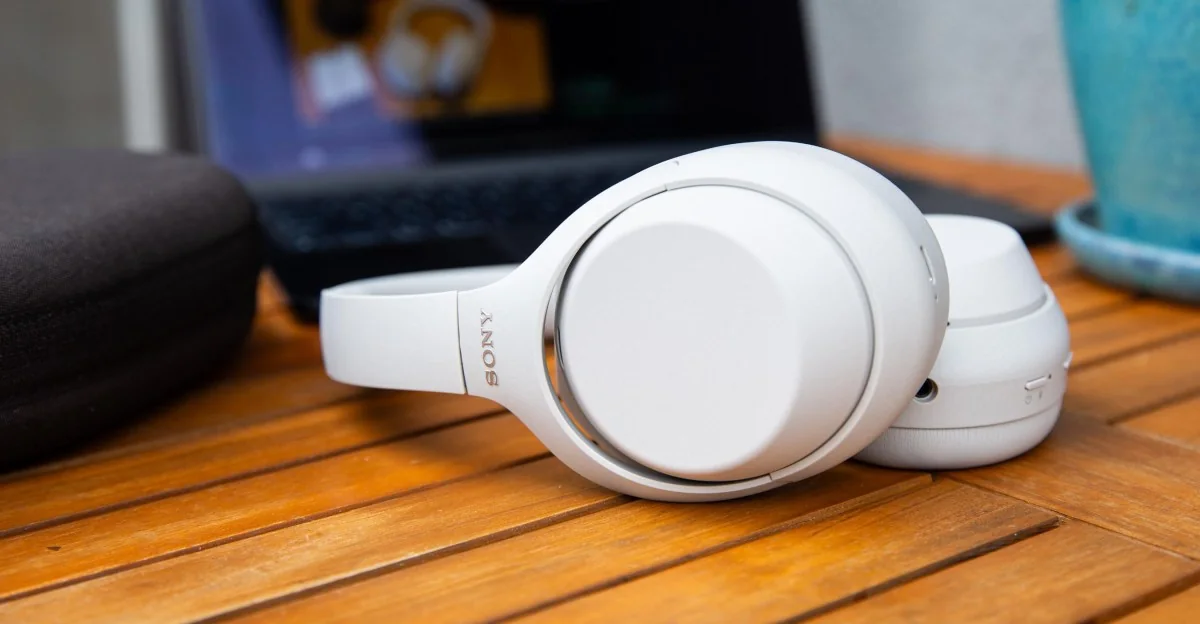
The Sony WH-1000XM4C bring back a beloved headphone design
Although based on older technology, the headphones continue to deliver respectable performance and high comfort for daily listening.
With only minor modifications implemented, the XM4C functions more as a targeted re-release than a comprehensive generation shift.
After spending extended time with the device, the rationale behind the release becomes clearer. While they do not represent the cutting edge of personal audio technology, they deliver classic sound, reliable comfort, and much of the performance found in current flagships at a significantly lower price point.
Design and Portability
The core appeal of the original hardware remains intact within the XM4C. They fold into a compact form factor and ship with a hard-shell zippered case that facilitates easy travel. The faux-leather ear cups remain squishy and comfortable, accommodating multi-hour listening sessions without discomfort. High-resolution wireless audio codec support includes SBC, AAC, and LDAC.
Audio Performance and Sound Quality
Equipped with 40mm drivers, the sound signature features a heavier low-end response that supports upper frequencies without overpowering them. While midranges can occasionally sound slightly muted out of the box, the Sony Sound Connect app provides a 10-band EQ upgrade that allows users to easily open up vocal and instrumental frequencies.
As many competitors phase out legacy connections, the XM4C retain a 3.5mm audio jack. This port functions in powered mode with active noise cancellation enabled or passively when the battery is completely depleted. Note that wired listening is limited to the 3.5mm connection rather than USB-C, and users must supply their own charging cable.
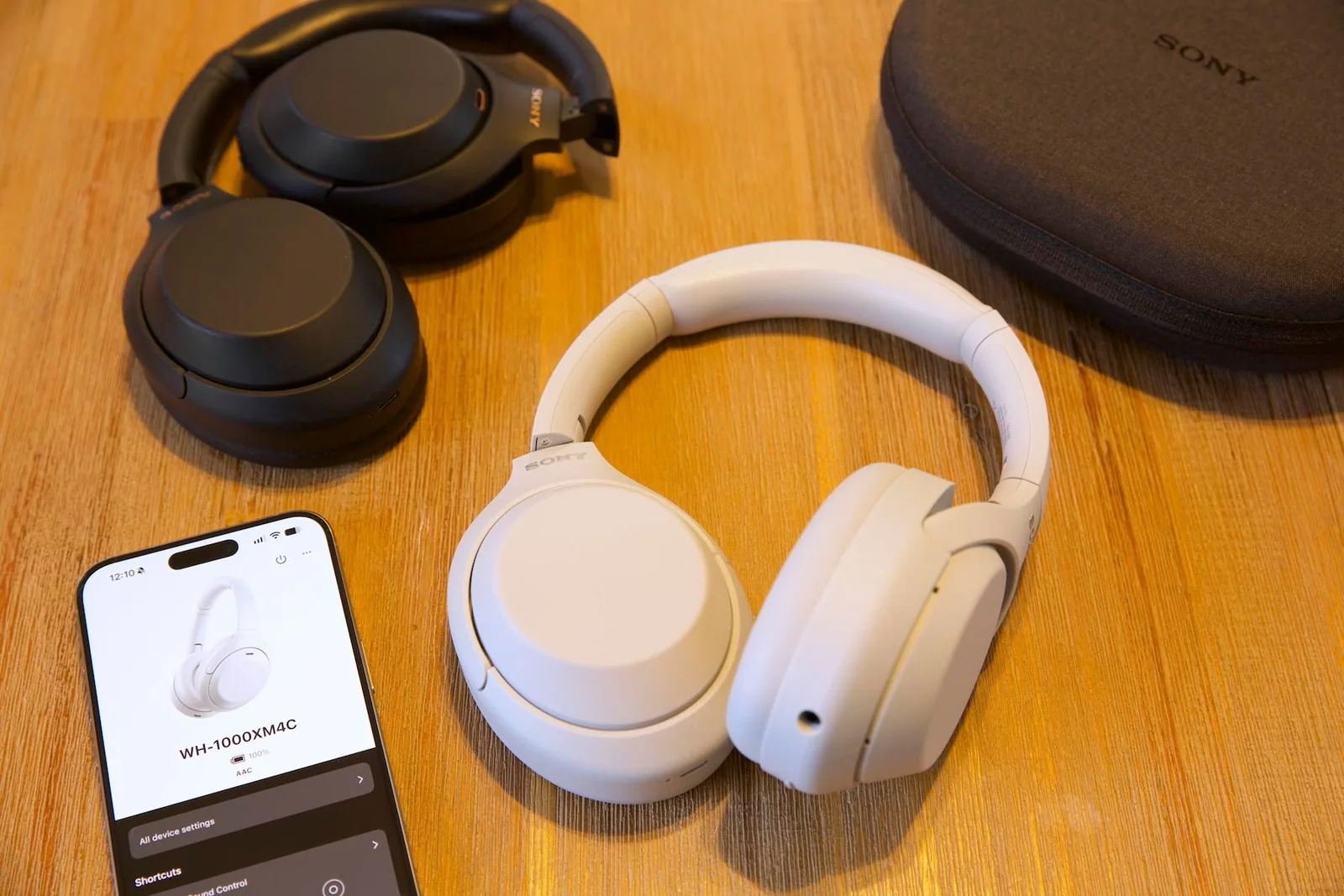
The white variant of the XM4C closely mirrors the appearance of its black predecessor.
Active Noise Cancellation
Utilizing four microphones alongside Sony’s older QN1 noise-canceling chip, the cancellation performance largely mirrors past iterations. While the hardware effectively blocks low-end ambient noise from environmental sources, the aging architecture struggles to match newer flagships equipped with advanced multi-microphone arrays and newer processing chips.
Although the active noise cancellation is robust enough to prevent outdoor distractions during daily commutes, alternatives in the broader market manage superior isolation across wider frequency ranges. Nevertheless, the day-to-day performance remains dependable for typical listening environments.
The inclusion of a physical 3.5mm jack provides versatile wired connectivity options.
Call Quality
Call handling adequately isolates ambient noise and keeps voice transmission clear, though very loud background disruptions can occasionally cause minor compression artifacts. The built-in microphones are fully sufficient for standard calls, even if they fall short of top-tier premium alternatives.
A notable addition is the implementation of a user-replaceable battery designed to comply with emerging regional regulations. However, replacement components and standardized DIY instructions are not immediately accessible to all markets, introducing uncertainty for consumers seeking long-term hardware sustainability.
Accommodating the removable battery architecture has slightly reduced total battery life, bringing the active playback time down to approximately 27 hours with noise cancellation enabled.
One prominent omission is the lack of Bluetooth LE and Auracast support out of the box. While future firmware updates could potentially introduce these capabilities, their absence at launch is disappointing given modern industry standards.
The physical chassis retains a foldable frame for easy storage and transit.
Capacitive touch sensors on the right ear cup handle track navigation and volume adjustments, while holding a palm over the surface temporarily engages transparency mode. While functional, user preference often leans toward traditional physical buttons for touch-sensitive gestures.
The unexpected introduction of the XM4C proves that a proven design can remain relevant. Despite carrying a price tag that feels slightly high for hardware rooted in older technology, buyers seeking a reliable, comfortable alternative to newer flagships will find plenty to appreciate.
Score breakdown
Scored out of 10Price & Release Date
Sony WH-1000XM4C headphones