The disadvantages of buying tech from other countries
Importing tech isn't too hard, but the downsides may not be worth it.
There are many reasons to import phones or other tech, whether you're buying it in person during a trip or via online marketplaces or importers. Your phone could die while you're travelling abroad, for example, forcing you to buy a replacement. Or maybe there's a perfect product for you, but it's not available where you live. Either way, buying tech from other countries is sometimes the only option.
Depending on the product, though, this can come with a catch or two. Buying devices from other regions can come with annoying restrictions. You might end up with slightly different hardware, lack warranty coverage or, in the worst case, not have access to core software or connectivity features. Here's what you should know before buying a new phone, laptop or any other tech product from overseas.
Not every device is built to work globally
A device can have different hardware configurations globally. In China, for example, certain iPhone models have slots for two physical SIMs. Conversely, US iPhones dropped the SIM tray starting with the iPhone 14, so you must use an eSIM instead. iPhones sold in China also get limited access to Apple Intelligence tools, even if you use it elsewhere.
Phones may pose issues with cellular bands. Manufacturers usually offer different versions of the same phone designed for specific bands in a given region. If you buy a phone in another country, it might not work on the US' 5G network, for example. This means you could lose access to carrier-specific features like VoLTE or Wi-Fi Calling if the device you're buying isn't certified for your network. It may seem minor, but it can be a headache if you plan to use it as your main device.
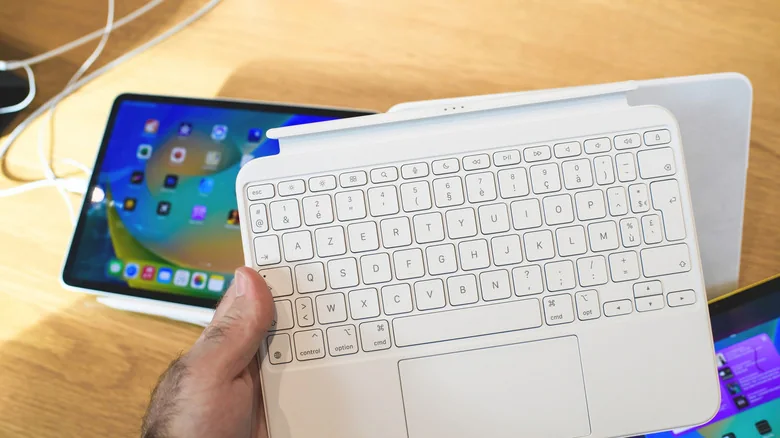
Other tech isn't free from potential issues, either. Laptops, for instance, can have different keyboard layouts depending on where you buy them. French laptops will use the AZERTY layout, and not every brand offers a QWERTY version in such markets. Depending on the product, power can be an issue too: imported products will likely use a different plug, so you'll need an adaptor, but that's not all. Watch out for voltages as well; the US uses 120V at 60Hz, but most of Europe and Asia use 220V to 240V, usually at 50Hz. Phone and laptop chargers usually work worldwide, but not all tech will.

Limited warranty and duties
Warranty is also an issue depending on what you're buying. Many manufacturers only provide tech support in the region where the device was sold. And if you're buying a product that isn't officially sold in the US, getting a broken part repaired can be tough, too. Some companies are more flexible when it comes to supporting devices purchased abroad, as is the case with AppleCare. Still, the company's warranty terms state that it may limit service for select devices, including the iPhone, to the country where the product was originally sold. Buying locally is still a safer bet if warranty is a priority.
If you're buying online, you also have to contend with import duties and shipping costs. The US has eliminated its $800 de minimis exemption for international parcels, so even small packages may get taxed quite heavily. International shipping isn't cheap, either. Most of the time, then, you have to really decide whether what you want to buy overseas is worth it.