Overview
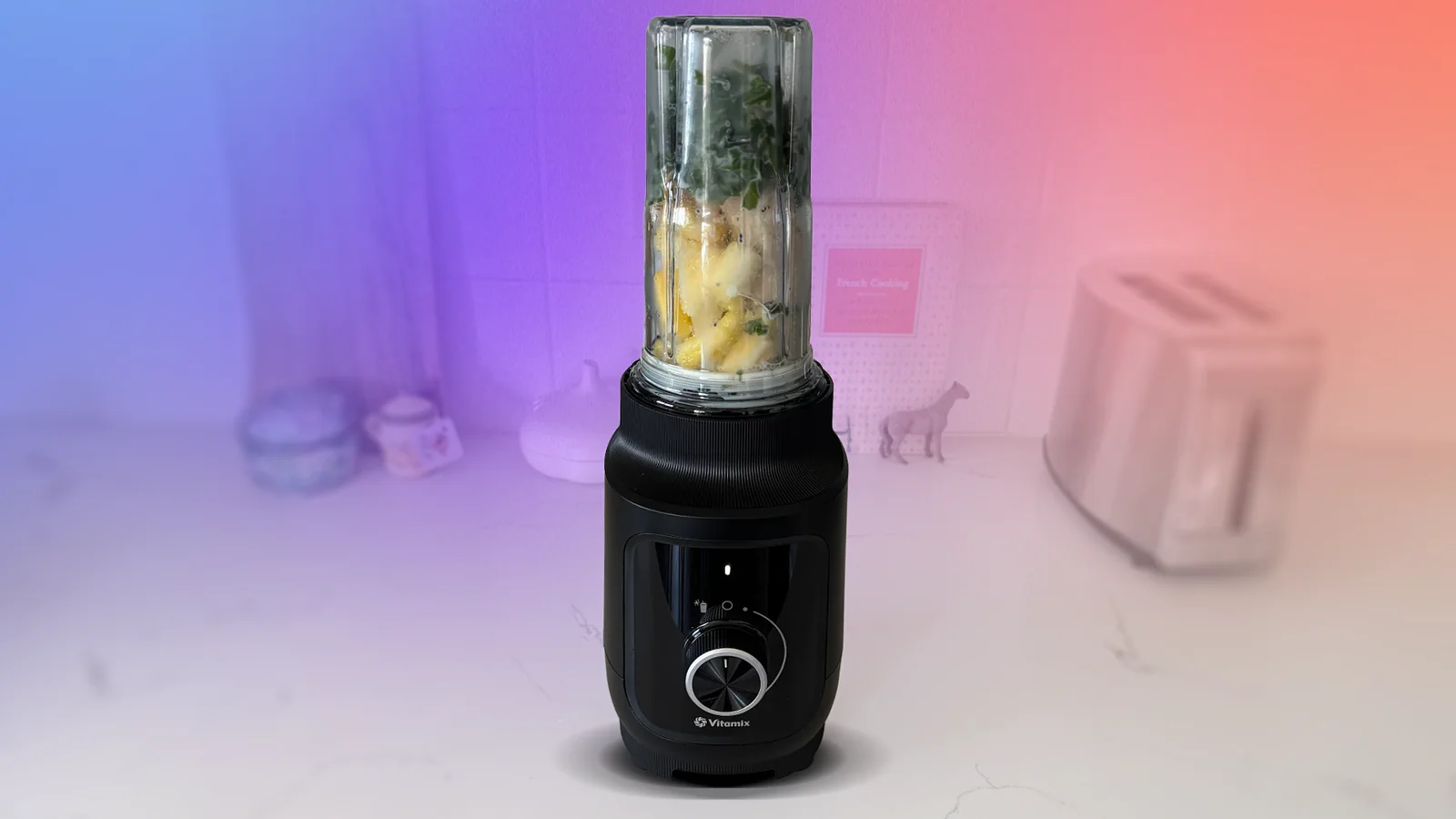
The Vitamix Nano personal blender, while featuring an appealing design reminiscent of larger Vitamix models, ultimately did not meet performance expectations according to the source review.
Usability Challenges
Aligning the cup, blade base, and motor base can be challenging. The blade base must be perfectly attached to the cup in a locked position for it to fit into the motor base, often requiring multiple attempts.
Difficult Seal Reattachment
The blade base includes a seal that requires washing and drying, but its design with multiple ridges makes it difficult to reattach without twisting. This can lead to improper sealing.
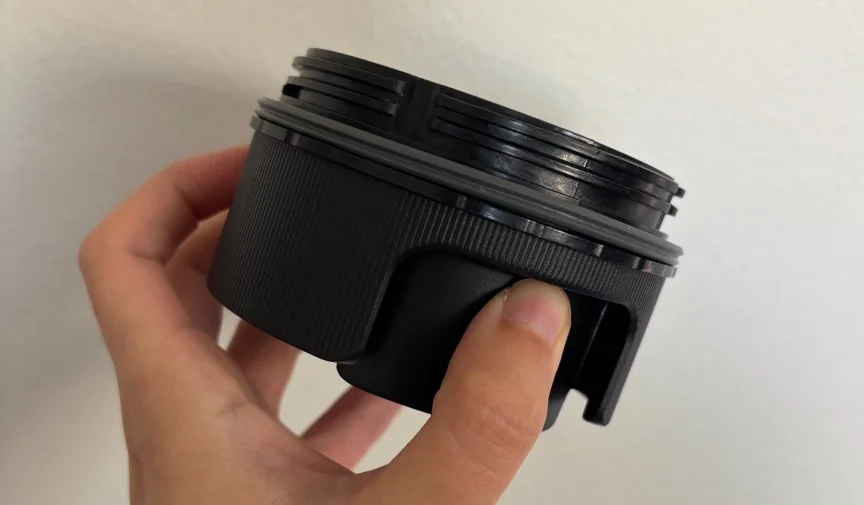
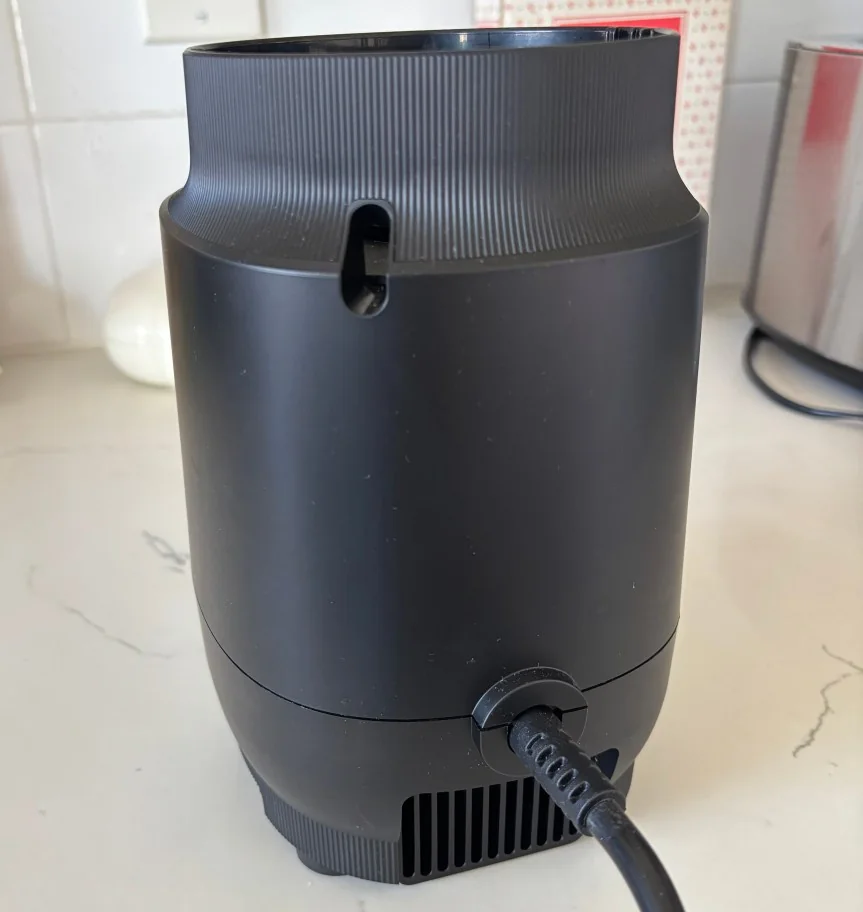
An instance of an improper seal resulted in a leak, with liquid entering the motor base's air holes due to the drainage hole's unfortunate positioning, necessitating a thorough cleaning.
Limited Cup Capacity
The 20-oz cup often proved too small for all ingredients, and the absence of clear measurement markings, beyond max, wash, and minimum fill lines, made it difficult to ensure the recommended 50:50 liquid-to-solid ratio for optimal blending.
Potential Burn Hazard
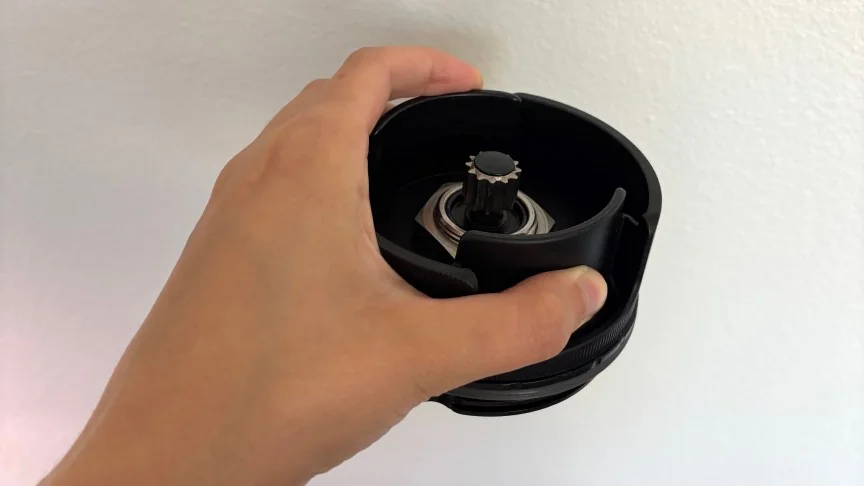
The metal drive spine on the blade base, which connects to the motor, can become hot after blending. Its proximity to where users grip the base to remove it from the cup poses a burn risk, leading the source reviewer to use an oven mitt for safety.
Performance Benchmarks
The 1000-watt Vitamix Nano demonstrated slower performance compared to other personal blenders in testing. For instance, blending a green smoothie took 3 minutes and 8 seconds on high speed, often requiring pauses to shake the container.
In comparison, a 1200-watt competitor, the Ninja BlendBoss, completed the same task in just 50 seconds.
The Nano was unable to blend ice effectively, with ice getting stuck and freezing under the blades, whereas the BlendBoss handled ice crushing in 13 seconds.
One area where the Nano performed well was blending butternut squash soup, completing it in 17 seconds. However, the blender is not designed for hot liquids, requiring the soup to be cooled completely beforehand.
Noise levels were measured at an average of 93.1 dBA, only slightly louder than the BlendBoss at 92 dBA, indicating it is comparable in volume to city traffic.
Smart Program Limitations
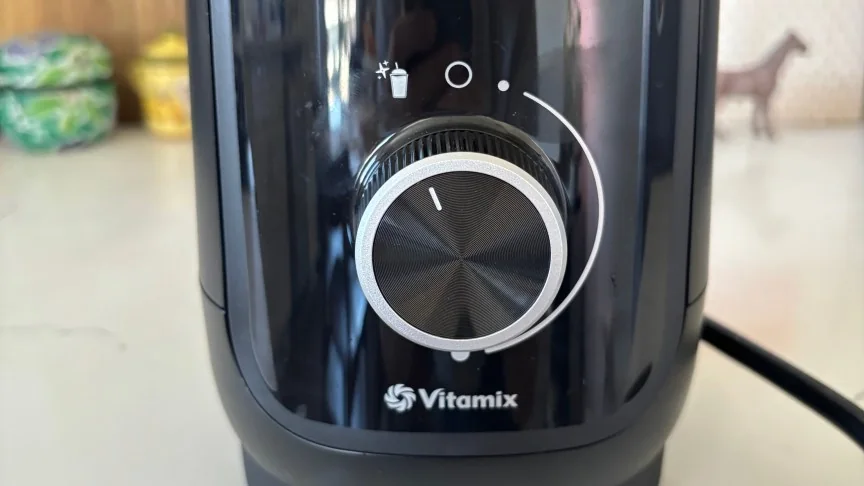
The Nano’s SmoothiePilot program, designed to automatically select blending speed and duration, proved inconsistent. The source reviewer found it worked perfectly only twice, often requiring additional liquid or shaking the container. It performed best with smaller pieces of frozen fruit, struggling with larger items like half a frozen banana or large mango chunks.
Frequently, after the SmoothiePilot program concluded, the source reviewer found it necessary to use the variable speed setting on high to blend any remaining unmixed ingredients.
Design and Convenience
The Nano is praised for its sleek, compact design, measuring 8.5 x 5.5 x 15.3 inches and weighing 9.5 pounds, making it suitable for kitchens with limited storage. Its single control dial contributes to ease of use.
A notable convenience is the inclusion of two cup holder-friendly, BPA-free cups with to-go lids, eliminating the need for additional containers when traveling with beverages.
Cleaning is simplified as the cup, lid, and blade base are all top-rack dishwasher-safe. Alternatively, a quick clean can be achieved by blending a drop of dish soap with cold water for 30 seconds.
The Nano comes with a three-year limited warranty, which, while the shortest offered by Vitamix, is still longer than the one-year warranty provided by some competitors like the BlendBoss.