System Overview
The source reviewer found the Vivint security system to be a comprehensive and evolving offering, having followed its improvements since 2021. Recent updates include a new control panel, outdoor camera pro, indoor camera pro, and a new thermostat.
The Vivint system is positioned as a comprehensive security solution, typically purchased as a larger package rather than piecemeal kits. It also offers control over some smart home devices, though with notable limitations.
Core Components and Integration
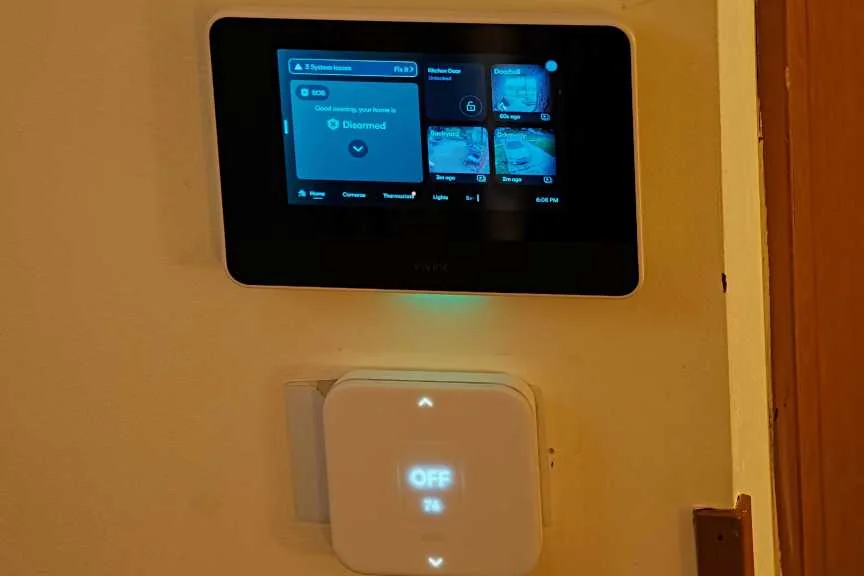
The system reviewed included the Smart Panel 2, a thermostat, door and window sensors, a doorbell camera, an indoor camera, and two outdoor cameras with intelligent spotlights. Fire, CO detectors, and glass break sensors were also part of the setup.
The original system also featured Kwikset smart locks, which allowed keyless entry. The source reviewer noted replacing these with a different biometric-supporting brand, highlighting Vivint's limited third-party lock compatibility.
Vivint carefully evaluates third-party vendor relationships due to support responsibilities. Currently, Kwikset remains its sole smart door lock partner, unlike other security brands that offer broader compatibility.
Vivint also integrates with Chamberlain for garage doors and previously Google Nest for thermostats, though it has now launched its own thermostat. Philips Hue light bulbs can connect via Zigbee, but this requires customer support assistance, which the source review noted as a cumbersome workflow.
Both the Vivint Smart Panel 2 and the accompanying app provide control and monitoring for all connected devices. While compatible with Google Home, the system no longer supports Amazon Alexa, a decision Vivint attributed to privacy concerns regarding data sharing requirements.
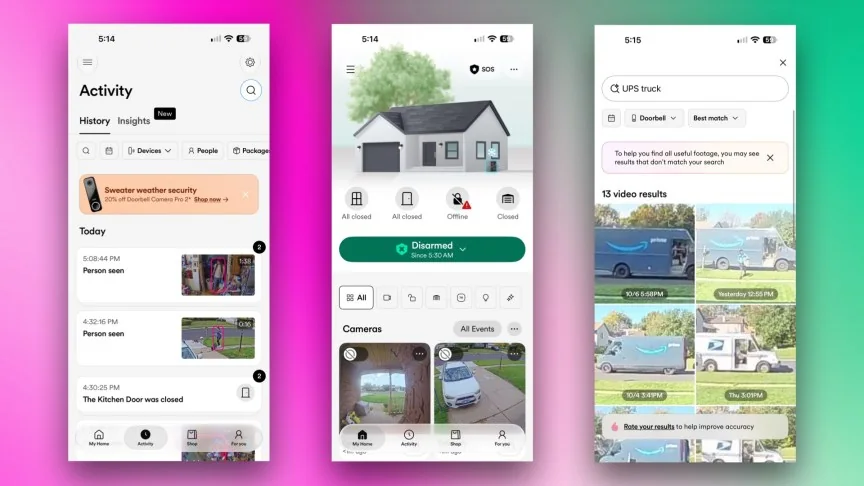
The Vivint app, available for iOS and Android, serves as the central control hub. It supports multiple family members, each with unique disarm codes, and logs user actions. The app displays home status, camera thumbnails, sensor statuses, and thermostat controls, all of which are customizable.
Vivint states that a significant number of homeowners desire a single app to control all their devices. The system supports rules and automations, such as automatic arming/disarming at set times, and turning on lights during a fire alarm. When Kwikset deadbolts were used, entering a code could automatically disarm the house and activate living room lights, enhancing the smart home experience.
To fully utilize these integrated features, users must operate within Vivint's proprietary ecosystem, using its compatible devices for locks, smoke alarms, and other home elements. While smart plugs address lighting, and Zigbee offers some compatibility, the system lags behind the Matter standard in terms of broad third-party device support.
For those who prefer professional setup over DIY, Vivint's installation service is a key advantage. The source reviewer consistently experienced professional and efficient installation teams over multiple visits.
Recent Device Additions
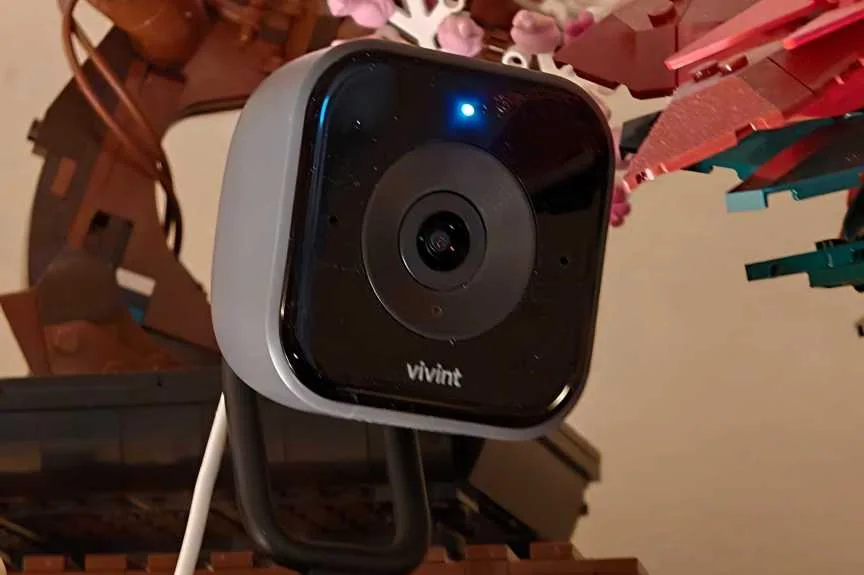
Vivint's recent device introductions include its own thermostat, a new outdoor camera, and an indoor camera. The thermostat was described as a functional but aesthetically uninspired white plastic square with LED numbers, contrasting with more elegant alternatives like the Nest.
The new thermostat integrates with Vivint's Smart Comfort initiative, which aims to adjust home temperatures based on occupancy data from motion sensors and door locks. Vivint claims this can lead to significant utility savings, though the benefit is exclusive to its own thermostat.
Vivint leverages various sensors to determine occupancy for Smart Comfort. The system's energy-saving benefits are tied exclusively to Vivint's thermostat, as its products are designed to function as a holistic ecosystem for a more connected and energy-efficient experience.
Camera Technology and AI
The cameras are a standout feature of the Vivint system. The latest Outdoor Camera Pro 3, powered by PoE, includes a smart spotlight and offers sharp, clear 1080p recording and streaming from a 4K sensor, allowing for up to 5x lossless zoom.
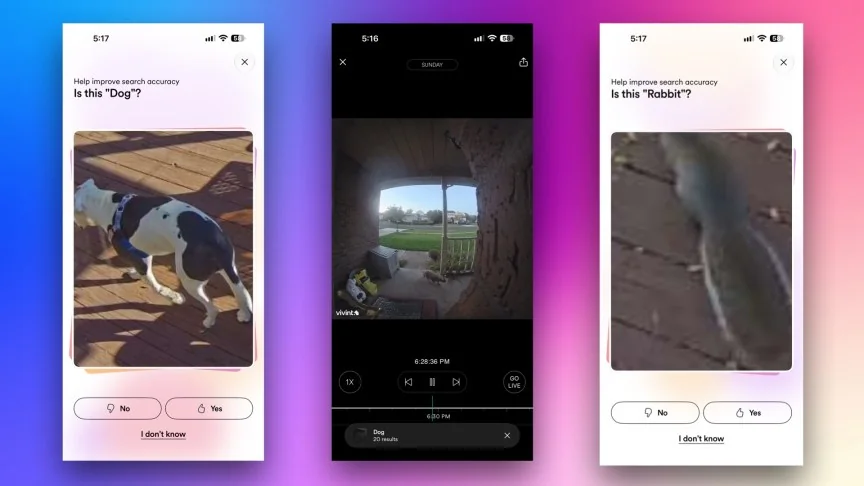
The Vivint app includes an event search feature for camera footage, but its accuracy was inconsistent. For example, a search for 'rabbit' yielded a cat and shadows, and a 'dog' search showed a person.
The ability to search for deliveries was noted as a useful feature, accurately identifying UPS, FedEx, and Amazon Prime vehicles, though it occasionally misidentified other services. The app also prompts users to help train its AI by confirming object identifications.
When the system is armed and motion is detected, the camera emits a whistling sound to draw attention, allowing it to capture a clear image of the subject's face. This clever feature was praised by the source reviewer.
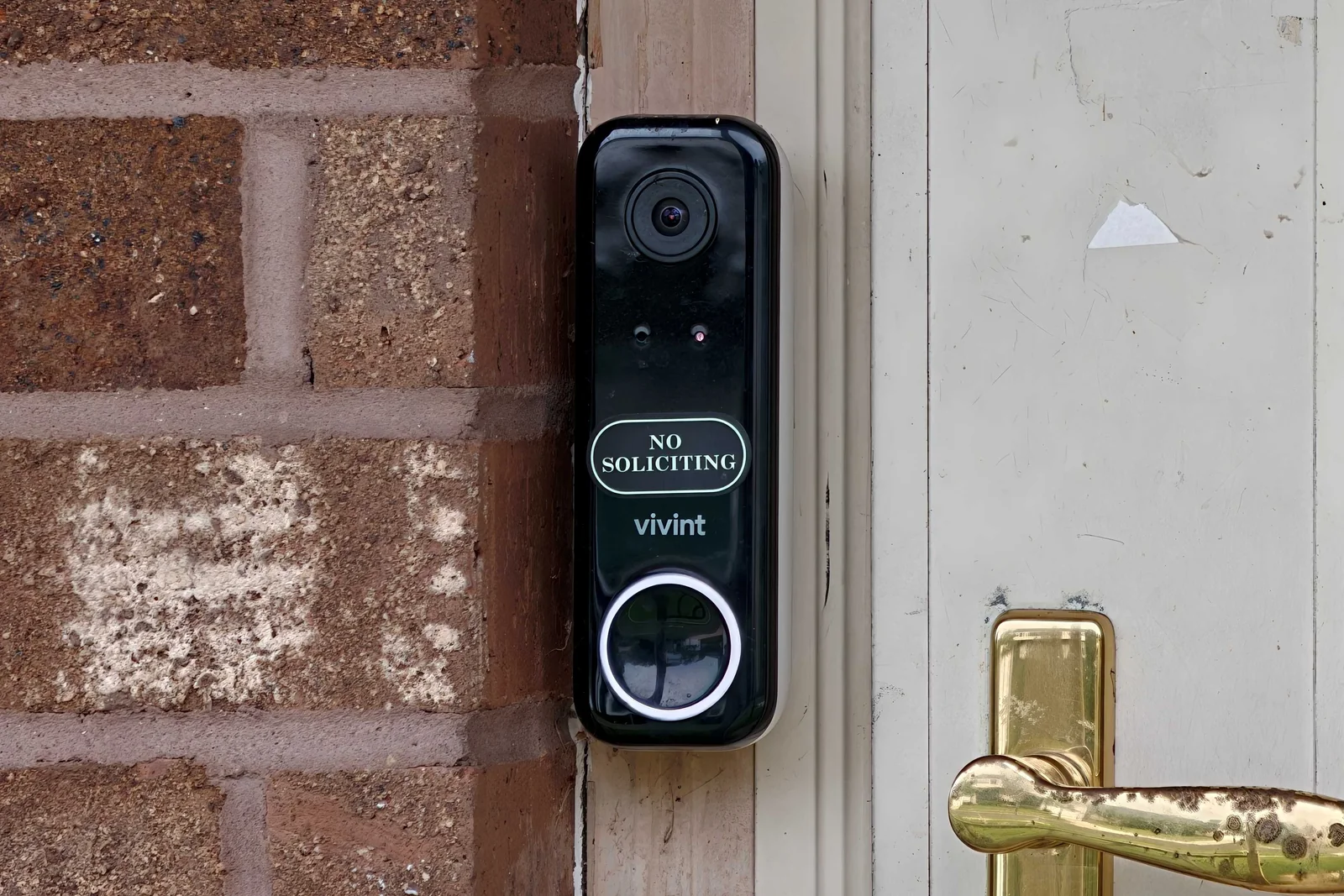
The outdoor security camera features a smart spotlight with nine LEDs that illuminate a 160-degree arc. When motion is detected, the lights flash sequentially and then focus on and follow the subject, a unique and effective deterrent.
The doorbell camera offers proactive package protection, notifying users upon delivery. While effective initially, the feature became unreliable when a package box was introduced, leading to frequent false positives and requiring the source reviewer to disable it.
Upon delivery detection, users receive a notification and can activate a 'deter mode.' This mode, similar to the outdoor camera's whistle, causes the doorbell to whistle and a red circle to illuminate around the camera, signaling that the person is being recorded.
The new indoor camera is a slim, 1080p device with a 10-foot power cord, offering flexible placement. Both indoor and outdoor cameras include local storage, ensuring footage is captured even during Wi-Fi outages.
The source review suggested that Vivint could benefit from incorporating pan-tilt-zoom (PTZ) cameras and dual-lens exterior cameras, which are becoming more common in the industry for enhanced detail and coverage.
Conclusion
Vivint's strength lies in its integrated ecosystem, allowing control of all devices through a single app. However, its primary challenge, shared by other traditional home security platforms, is its closed nature, limiting compatibility to Vivint-approved devices.