Don't throw away your old, unsupported Nest gadgets — Do this instead
Google recently dropped support for some of its early smart thermostats.
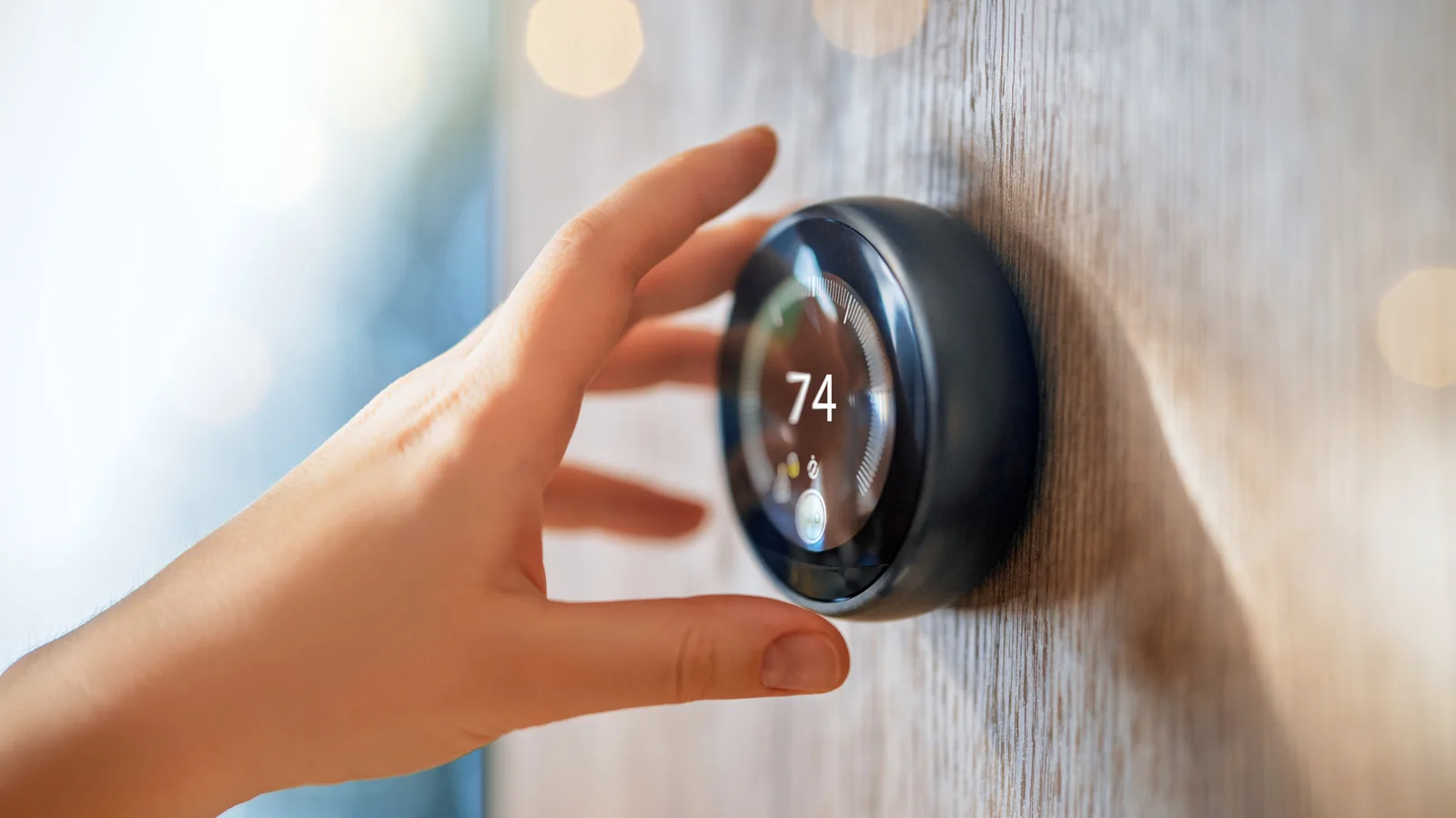
Google discontinued support for Nest's first- and second-generation Learning Thermostats. Thermostats are relatively permanent fixtures that consumers depend on for comfort rather than devices meant to be replaced as frequently as phones. Because they lack heavy software demands, older models could theoretically continue running beyond their 14-year lifespan.
These devices retain basic functionality, allowing manual on-device temperature adjustments and built-in auto-schedule features. However, they are completely disconnected from outside applications and accessories without cloud support and will no longer receive software updates. Google offers discounted upgrades to the fourth-generation Learning Thermostat for affected users.
Owners facing this cutoff have two primary paths: recycling the hardware and switching brands, or utilizing third-party projects designed to restore smart capabilities.
The open-source and recycling options for your Nest Thermostat
A free open-source initiative named No Longer Evil attempts to revive older Nest thermostats. Flashing the device with custom firmware substitutes advanced functions disabled by Google's cloud disconnection. Users can route connections through the No Longer Evil cloud platform, a self-hosted server, or the Home Assistant ecosystem.
While automated installers guide users through the process, firmware flashing carries a risk of permanently bricking the thermostat. A bricked device loses all functionality, including basic manual operation, which could pose issues during extreme weather conditions.
Users looking to upgrade can utilize Google's recycling program, which provides a prepaid shipping label. Alternatively, local e-waste centers accept old hardware. Before discarding or recycling any unit, users must perform a factory reset through the settings menu to clear personal data.
Do you really need a new smart thermostat?
Upgrading to a modern smart thermostat can help reduce energy bills through advanced occupancy detection and weather-data synchronization. Remote temperature adjustments also prevent wasted energy when homes are unoccupied.
However, households with predictable routines may find built-in scheduling on older units sufficient. Simple behavioral adjustments often yield energy savings without requiring new hardware purchases.
Buyers considering a replacement should check for regional energy provider rebates, which frequently discount high-end smart thermostats significantly.