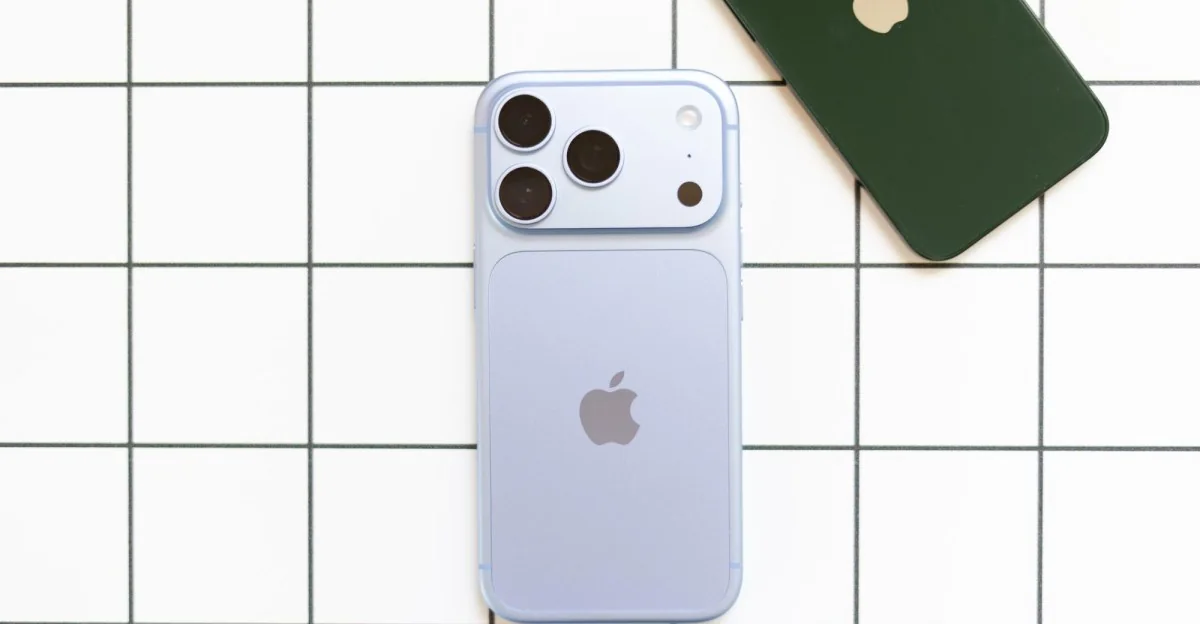
Apple recently introduced a feature called iPhone Handoff, allowing users to keep their mobile number active on two different iPhones simultaneously.
Analyzing the Feature
The primary question surrounding this capability is who genuinely requires a seamless solution to split phone usage across multiple devices.
It is designed as a seamless solution to a problem almost nobody faces in everyday consumer tech use.
iPhone Handoff allows you to pick one phone as your main device and configure Handoff on a secondary handset. Unlocking either device switches your active number and routing for calls and location tracking.
The concept targets users who might pick up a secondary device on weekends with customized apps. However, T-Mobile charges an extra monthly fee for the service, and availability is limited among US carriers.
Evaluating potential use cases reveals a surprisingly speculative list of prospective users for the multi-device setup.
Potential Use Cases
Given that Apple announced Handoff alongside folding or expanding device concepts, the goal may be accommodating users who want a large device occasionally while retaining a standard slab phone for daily carry.
For users who dislike carrying bulky hardware constantly, switching between devices under one number is the core value proposition.
You have a work phone and a personal phone
While managing dual phones is common for some, restrictions requiring the secondary device to lack active enterprise plans make this a niche application.
You have a small, fun iPhone that can’t hack it as your main phone
Owners of compact or older devices with limited battery life could theoretically leverage a secondary modern device for heavy lifting while using the smaller phone for lighter weekend trips.
You work at Apple
Some ecosystem features appear tailored specifically to internal workflows, catering to users with disposable income and a penchant for complex technical setups.
Alternative Options
For consumers interested in a secondary device experience without added carrier fees, alternatives like a cellular smartwatch often provide a more practical minimalist approach.
An always-connected smartwatch handles calls, messages, and navigation while sharing your existing phone number natively.
Alternatively, manually swapping eSIM profiles remains a free and reliable method for users committed to juggling multiple handsets.