Tesla is ditching its solar roof tiles for a good reason
Tesla had to cut losses after significant mistakes and overspending.
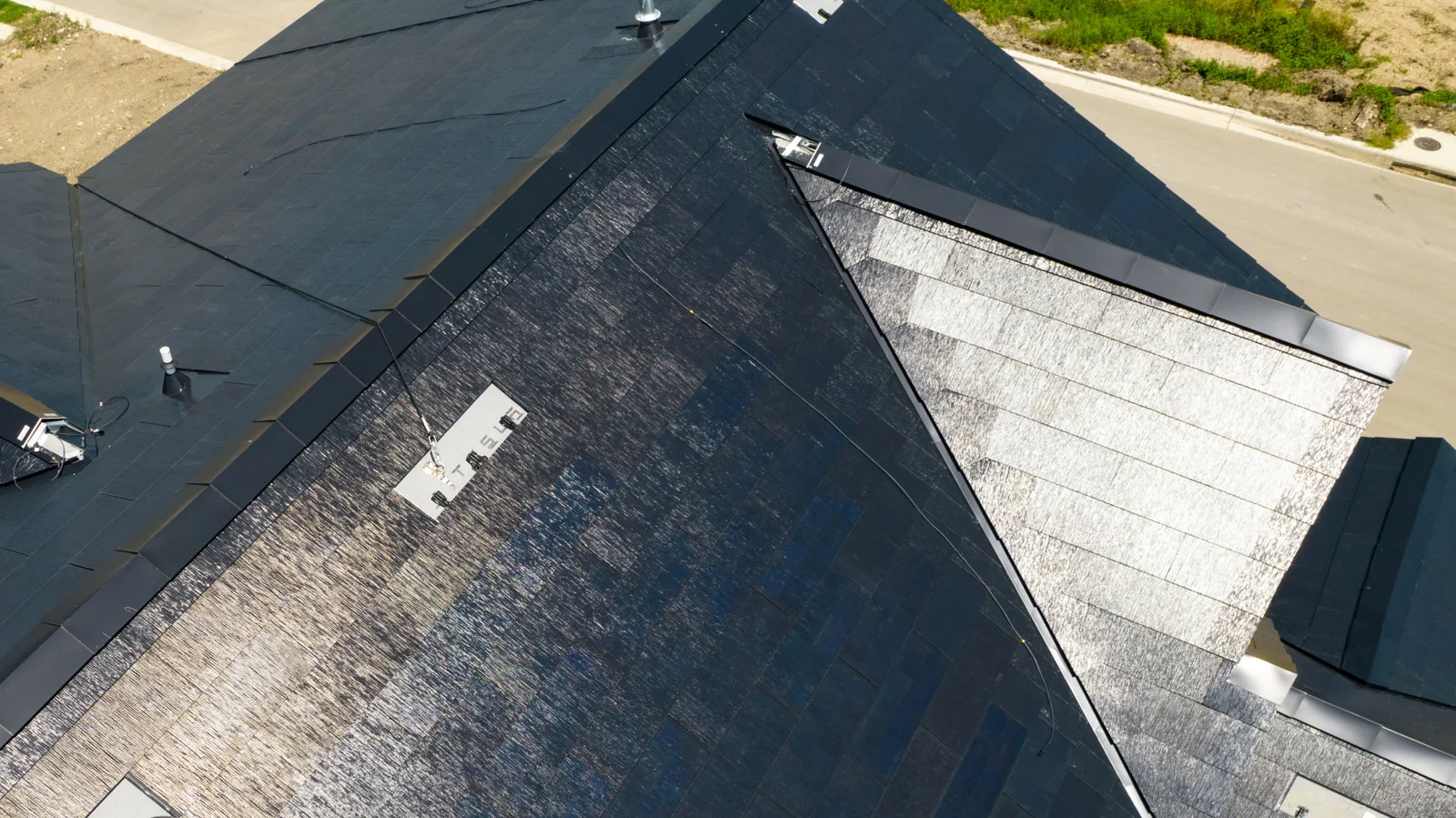
Tesla's Solar Roof panels were designed to look like regular shingles while delivering 98 percent of a normal solar panel's efficiency. It did so by reflecting light to make the tiles appear like normal ones from street level despite being transparent when viewed from above. Unfortunately, the novel concept didn't live up to expectations, with reports indicating that Tesla was discontinuing the product and that its third-party installer network would only be supplied with conventional solar panels going forward.
First revealed, the Solar Roof hit mass production in 2020. In an earnings call in 2021, Tesla CEO Elon Musk admitted that significant mistakes were made that led to overspending and delays. A report later found that only a few thousand U.S. homes had installed the product. Despite multiple redesigns, the Solar Roof tiles sold under Tesla's expectations.
What was the Tesla Solar Roof?
The Solar Roof's claim to fame was that it didn't look as unsightly as a traditional solar panel. Tesla's patent application noted that the louvers were designed to provide viewing obstruction to the photovoltaic cells when viewed from a side angle but to minimally impede solar energy passed to the photovoltaic cells.
Years after its reveal event, Tesla appears to be sunsetting the Solar Roof tiles. Shortly after the launch event, the company acquired SolarCity, America's then-largest solar energy provider. Later shareholder litigation over the acquisition revealed that the tiles shown at the initial event weren't operational.
Tesla's Solar Roof web pages have been redirected to its traditional solar panels, and the product is no longer found in its Energy navigation menu. The company's online configurator for a Solar Roof quote now redirects to conventional panels, indicating a pivot away from the product.
Why was Tesla's Solar Roof discontinued?
High prices and missed sales targets led to the downfall of Tesla's Solar Roof. Customers were frequently hit with drastic spikes in costs, turning the product into an expensive luxury. Tesla bet on its product's aesthetic value while traditional solar panels continued to drop in cost every year thanks to efficient modules and mass production.
Tesla installed only a fraction of its targeted weekly roofs at its peak. User reports of these roofs underproducing electricity and cases of roof underlayment issues did not help the product's market viability. While alternative integrated solar panels still exist, Tesla abandoning the concept marks a major shift away from the technology.