How using one earbud more than the other can cause uneven wear and tear
For the sake of your earbuds' health, you may want to curb the habit.
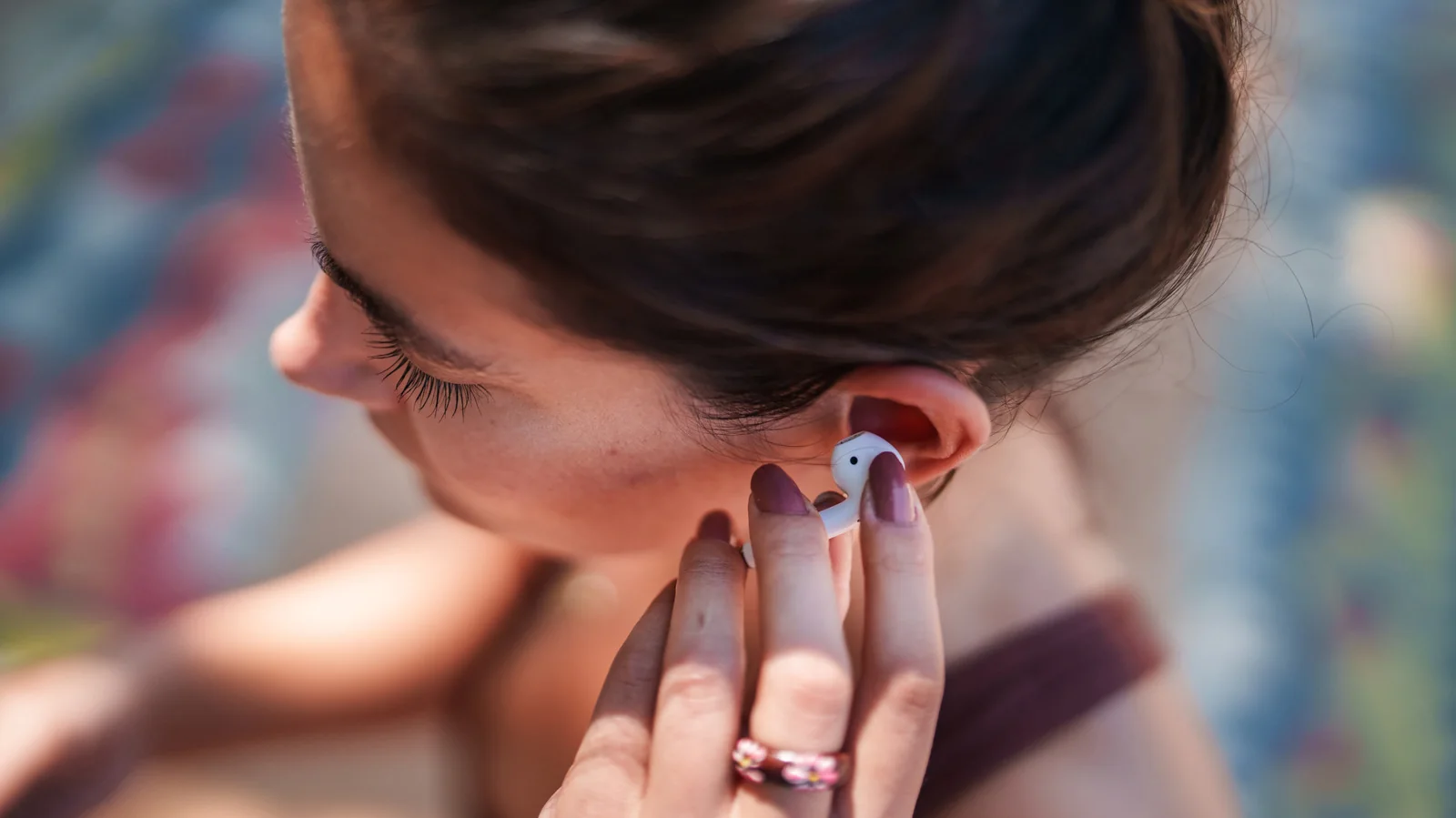
Wireless earbuds often support mono mode, allowing users to place a single bud in the ear for hands-free calls while staying aware of surroundings. However, doing so constantly is not necessarily ideal for the hardware.
Using one earbud more than the other creates an uneven usability balance, leading to quicker physical and electrical wear on the heavily favored bud. Because devices have limited charging cycles, needing to charge one bud more frequently causes it to drain faster.
How wearing one bud can impact lifespan
Wearing one earbud more frequently puts it through significantly more battery cycles. Furthermore, some wireless earbuds rely on a master/slave setup where only the primary bud connects to the phone and transmits data. Newer models often support role-swapping, allowing either bud to act independently, but switching manually is essential to balance the load.
Running a single earbud for phone calls consumes continuous power through Bluetooth transmission. Over time, the heavily used bud may die much faster than the other, resulting in forced mono playback or complete failure in older master/slave models.
Why wear one bud?
To avoid these hardware imbalances, users should try to limit single-bud listening. For those who want to remain aware of their environment, utilizing transparency or ambient sound modes allows both ears to remain plugged while safely letting outside noise in.
Drivers should rely on car infotainment systems or speakerphone functions rather than wearing a single earbud, especially given varying local laws regarding driving with headphones.
If single-bud usage is unavoidable, consider utilizing dedicated professional earpieces or models equipped with seamless role-swapping capabilities to distribute wear evenly.