The Call of Duty series needed a win this year. Last year’s Black Ops 7 was weighed down by an always-online campaign mode with ridiculous zombie bosses and open-world Warzone integration, while the multiplayer mode was entirely forgettable due to extreme developer crunch.
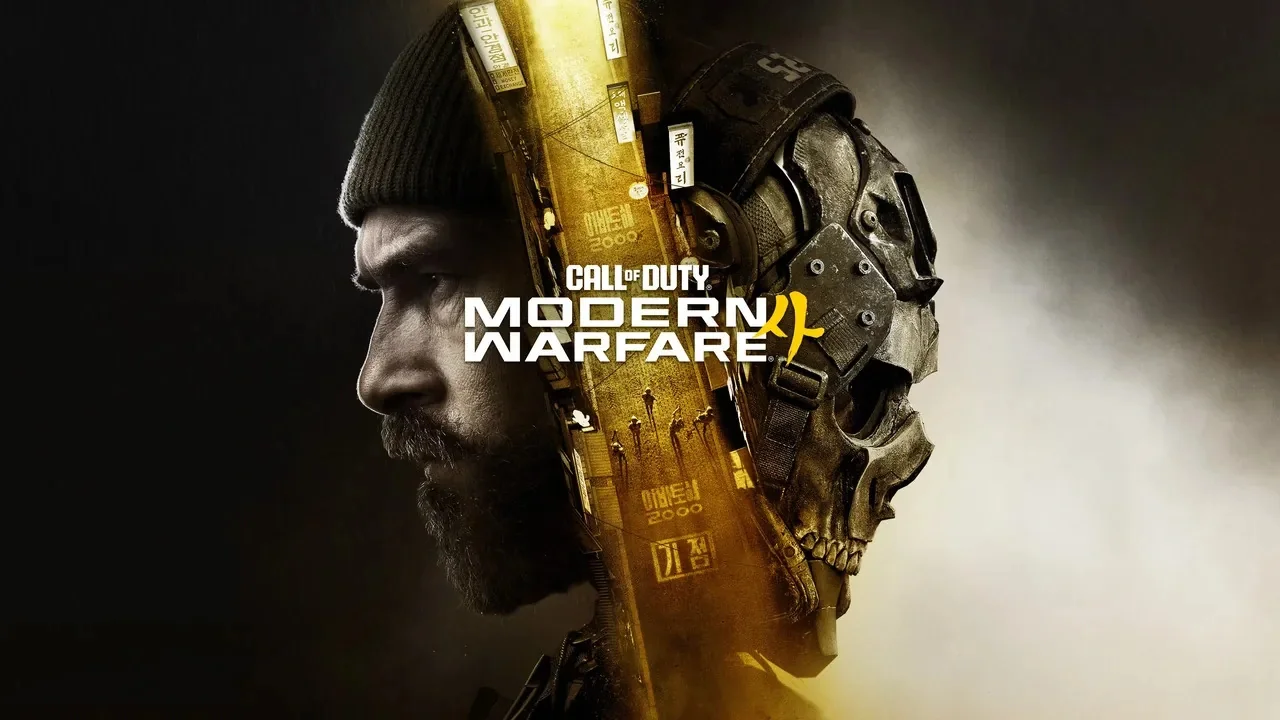
On the other hand, Modern Warfare developer Infinity Ward had plenty of time to cook up the fourth entry in its own series. Modern Warfare 4 may not have returned Call of Duty to the highest highs of the original trilogy, but this is a welcome leap in the right direction for a franchise that has become increasingly sloppy in recent years.
Players will find plenty of cinematic action in the single-player campaign, and the multiplayer mode has slowed down just a touch, which benefits the game's tactical flow.
More importantly, Modern Warfare Zombies has been completely dropped in favor of DMZ, an accessible player-versus-player-versus-AI extraction shooter experience. The experimental swing feels like a lifeline for the series, and DMZ is the standout mode for the game.
The campaign identity crisis is (mostly) resolved
Modern Warfare 4 is a tighter game than Infinity Ward’s previous project, and it is vastly superior to Black Ops 7.
At the same time, it has a complicated campaign structure. Players flit back and forth between the perspective of Captain John Price and South Korean soldier Park Hyun-Jun, a newcomer whose squad is fighting for his homeland against a united coalition of Russian and North Korean ultranationalists.
Russian bad actors have been the primary antagonists of every Modern Warfare game, and it is interesting to see South Korea represented in a Call of Duty title. However, the political framing relies heavily on familiar tropes, presenting Russia and North Korea as colonialist powers while Western soldiers act as the ultimate shield.
Price is framed as morally gray as he works with a cartel to achieve his goals, yet he is ultimately vindicated as the type of leader who prevents global conflict.
Modern Warfare 4 also features a graphic mission where players control a North Korean soldier rounding up village occupants hiding a defector. The sequence remains a controversial and recurring staple of the franchise's cinematic storytelling.
Fortunately, the tentpole action moments shine. An early mission has Price infiltrate a New York nightclub to search for a Russian oligarch, blending bright lights and pulsing music with brutal close-quarters combat reminiscent of a John Wick film. Other highlights include a moving train yard fight, a rooftop chase across Mumbai, and a penthouse raid.
Conversely, the weakest campaign missions repeat the mistakes of modern open-world design by forcing players into expansive, Warzone-style maps cluttered with dozens of optional collectibles.
The puzzles are simple, leading players to focus purely on the main objective just to finish the mission as quickly as possible.
These open-world segments feel designed primarily to funnel players toward Warzone rather than serving the narrative.
Despite these narrative missteps, the campaign offers engaging locales and challenging enemies that keep the core experience entertaining.
DMZ is better than Warzone and a welcome reprieve from Zombies
DMZ, an accessible extraction shooter game mode, returns with new content for the first time since its beta ended. Infinity Ward has clearly spent considerable time refining the mode behind the scenes.
That hard work has paid off, establishing DMZ as the standout mode for Modern Warfare 4.
The extraction shooter is streamlined, dropping players into a map to loot, fight hostile forces, and target high-value objectives.
The loot loop is straightforward and easy to understand, featuring scrap, healing items, and an assortment of weapons.
Enemy AI is aggressive and fun to battle, utilizing armored vehicles and helicopters to apply constant pressure and make the combat feel genuinely threatening.
While other players can also hunt you for your loot, DMZ includes a dedicated bounty system to balance player-versus-player encounters.
Players who hunt others accumulate a visible bounty on the map, allowing pacifists to steer clear while aggressive players seek each other out.
Although the simplified gameplay loop raises questions about long-term variety, Infinity Ward's commitment to adding new world bosses could help keep matches fresh.
DMZ lays the groundwork for one of the better extraction shooters available, positioning itself as a potential franchise mainstay.
Multiplayer remains quick, but it’s heavier and grounded
Black Ops 7’s omnimovement system, which allowed players to slide and jump while looking in any direction, proved disruptive to classic Call of Duty game balance.
While such movement might suit expansive Warzone maps, smaller multiplayer arenas suffered from the breakneck pace, undermining tactical positioning.
Modern Warfare 4 removes omnimovement while retaining standard sprinting, sliding, and dolphin dives at high speeds, giving characters a more grounded feel.
The slightly slower six-versus-six matches feel cohesive, aligning closer to classic boots-on-the-ground Call of Duty gameplay.
However, lingering issues remain, such as excessive weapon attachments and recycled map designs derived from larger Warzone areas that cause unnecessary bloat.
Modern Warfare 4 is a solid shooter that represents a marked improvement for the franchise in the post-Warzone era.