Industry Uncertainty
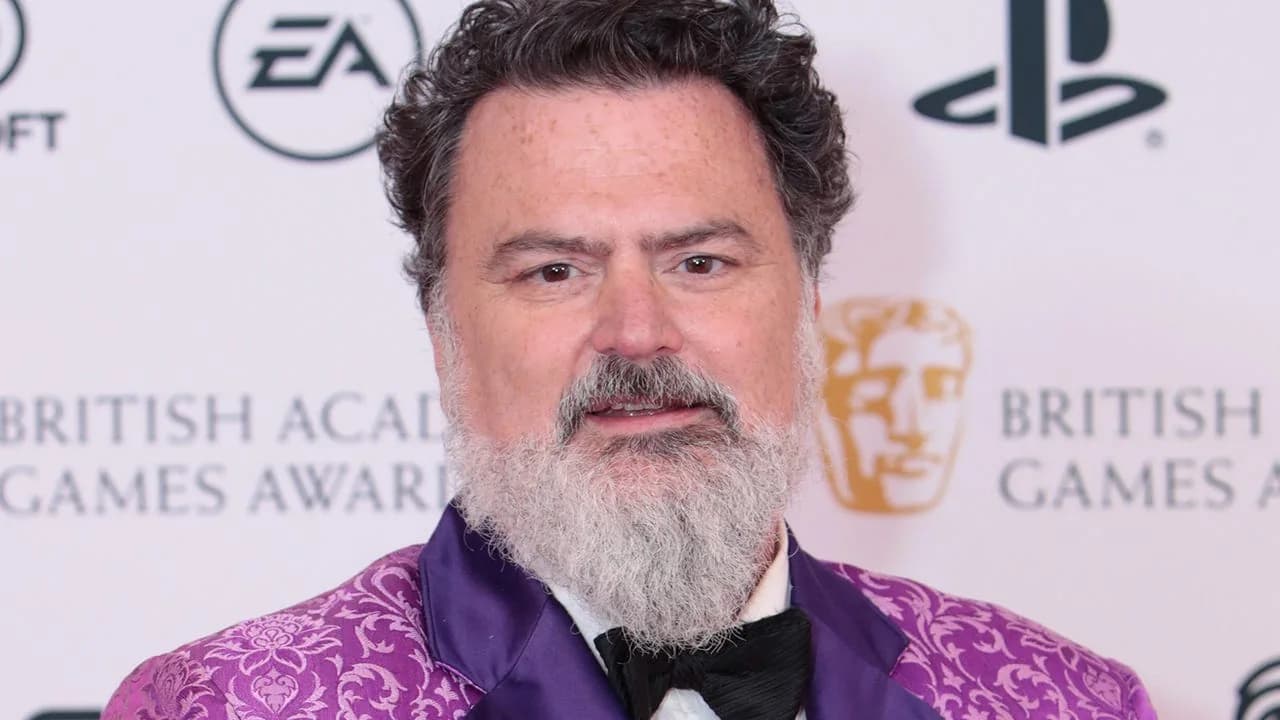
Double Fine founder Tim Schafer says he no longer “understands the economics” of game development following Xbox’s mass layoffs and industry-wide studio closures.
It’s a rough time to be a game developer. Even if you’re behind some of the year’s most successful releases, you still aren’t safe from the chopping block; for example, staff who worked on Battlefield 6, which enjoyed a stellar launch last year, were axed after releasing the game to critical acclaim and resounding financial success.
Xbox, one of the biggest publishers and console developers in the business, is also in the midst of a huge restructuring, resulting in thousands of planned layoffs and the divestment of several game studios — studios that have been forced to downsize due to their resulting independent status.
Tim Schafer’s Double Fine was one of the studios that separated from Xbox as a result of its massive internal shuffle. Schafer has made no bones about gritting his teeth and doing everything he can to prevent his company from closing, and his latest remarks are a reflection of that determined attitude in the face of an increasingly inscrutable industry.
Schafer's Economic Concerns
“I don’t understand the economics of making games to be honest,” Schafer told the BBC in a September 23 video interview. “I often for years thought I understood them, because there are layoffs, which is bad, and then the people who make games realize, ‘Oh, we need people to make games.’ The executives are like, ‘Oh, we fired everybody, we need some people to make this game,’ they hire them back, and then they… you know.
“So I always assume, ‘Oh, there’ll be this cycle of ups and downs, and ups and downs.’ But it’s been down for like, four years, and I don’t know why. I really don’t, because people are playing games, and people are making money, so I don’t know why there’s a big loss of jobs. I just assume it’s, like, someone is being greedy somewhere. But I hope it is a cycle, and I hope it bounces back.”
Volatility Across Studio Types
Schafer went on to say that the entire industry is volatile across both AAA developers and indie studios, alike, despite the high amount of creativity, ideas, and energy from workers in the space right now.
“I think there’s a lot of life and excitement and creativity in the games industry now, especially in the indie space,” he continued. “I’m not one of those snobs who says only indie games are creative. I think a lot of AAA games do a lot of great creative work.
“It’s just that, it’s been a much more violent place to work in AAA, you know, much more stressful, and your work is often not as rewarded, because you will get laid off as soon as you finish your game. But in indie games, there’s no guarantee of being not… not laid off, but out of money after you ship your game. So, they both have their risks.”
Double Fine's Resilience
Schafer previously described how he managed to keep Double Fine afloat after its divestment from Xbox in an interview with Bloomberg, where he called the ordeal a “creative awakening" that spurred him ownards rather than making him fold.
"No one puts Double Fine out of business except for me," he said. "[Xbox CEO Asha Sharma’s] not going to shoot my dog. I’m going to shoot it. But I’m not going to shoot it, because it’s going to do great. A lot of people want to walk the dog."
Xbox is expected to continue layoffs across its business as part of its ongoing plan to reorganize itself, with the most latest of these affecting Halo Studios. Activision is now leading development for he next Halo game, with Halo Studios relegated to other franchise duties.
Image Credits: Shane Anthony Sinclair/Getty Images