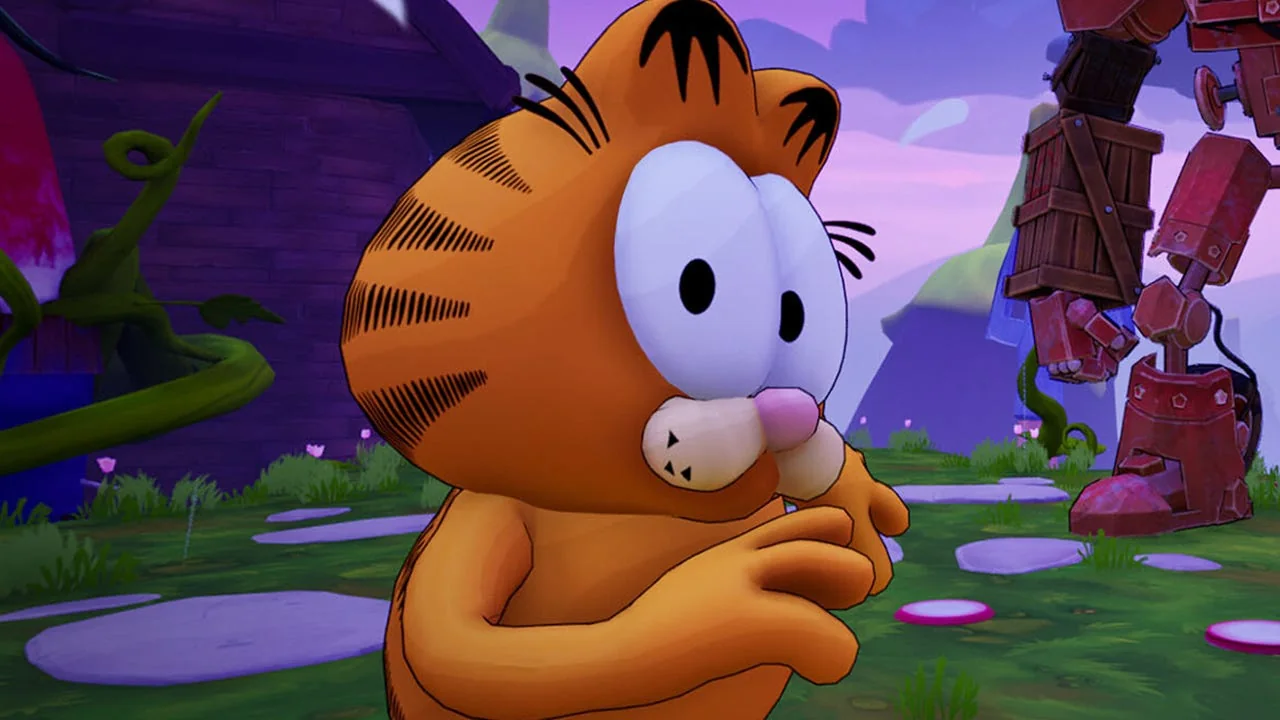
Garfield - Escape from Monday, developed by OSome Studio, draws heavily on the iconic cartoon cat's love for lasagna and disdain for Mondays. This 3D platformer transports Garfield into a series of food-themed dream worlds, where he must navigate obstacles and consume snacks to escape a vegetable-induced slumber. However, the source review indicates that this adaptation, much like other disappointing cartoon games, ultimately delivers a dull experience, characterized by overly familiar platforming mechanics and excessive meta-commentary.
The game begins with a cel-shaded Garfield consuming what he believes to be Jon's lasagna, only to discover it's filled with vegetables. This leads him into a dream world called the Dreamland, structured like a board-game course. In this realm, a vegetarian TV chef named Monday has converted Garfield's culinary fantasies into obstacle-filled levels populated by animated snacks. Players guide Garfield through these stages using basic actions like kicking, jumping, and boosting, supported by a forgiving health system, with the goal of waking him from his slumber.
Shallow Story and Unlikable Protagonist
The narrative rarely expands beyond its initial setup, offering a simplistic theme of 'bad food is yummy' and 'vegetables are gross.' The source review notes this as a missed opportunity, given Garfield's established personality in other media. Instead of a relatable, sarcastic protagonist, the game presents an unlikeable Garfield who delivers a continuous stream of complaints across its 40-plus levels.
This one-dimensional characterization becomes increasingly tiresome over the game's approximately nine-hour duration. Garfield's constant grumbling extends to lamenting his situation, critiquing the developers, and disparaging his friends when they appear. The meta-humor, intended to be self-aware, ultimately feels like a mechanism to lower player expectations rather than genuinely entertain.
Throughout the levels, players collect lasagna pieces to engage in a metagame involving furnishing a surreal rendition of Jon Arbuckle's apartment. Unlocking items requires finding hidden lasagna slices and accumulating snacks to fill a 'Yum-o-meter.' While this system offers additional objectives, the source reviewer found it to be an afterthought, feeling disconnected from the core gameplay and easily forgotten.
Charming Visuals and Creative Level Themes
The game's art style is a notable strength, offering a delightful aesthetic that recalls the blocky simplicity of classic PS1 platformers. The Dreamland is divided into three distinct themed overworlds: Veggie Nightmare, Sweet Kingdom, and the Barbecue Desert. Each features a straightforward miniboss and creatively blends confectionery with adventure tropes such as pirates, farmers, and the western frontier, effectively capturing the essence of the classic Garfield comic strips. Specific highlights include spinning radish stepping stones, Twizzler grind rails, and ketchup-dressed french fries integrated into the landscapes.
Obstacles within the levels evolve progressively, moving beyond simple platforms to include dynamic elements like flipping meat panels, corn cobs that hurl kernels, and metal graters that launch players into the air while chili peppers breathe fire. While these combinations rarely present a significant challenge, the source review acknowledges the deliberate design and visual spectacle of their placement.
Uninspired Mechanics and Restrictive Gameplay
Despite the evolving level design, the tools provided to the player are less engaging. The game introduces thematic outfits that grant temporary powers, such as a Turkey costume for flight, beachwear for surfing, and cowboy attire for grappling. However, these abilities are not particularly imaginative, and the game explicitly dictates their usage rather than encouraging player experimentation. This design choice often reduces gameplay to mindlessly progressing toward the finish line.
Beyond the limited opportunities for experimentation, the most significant drawback of Escape from Monday is its platforming. The source reviewer describes Garfield's movement as sluggish and imprecise, making jumps and kicks feel like 'wading through honey.' This lack of responsiveness often leads to overshooting ledges or making premature corrections due to delayed actions. While less noticeable in early, simpler levels, these issues become increasingly frustrating as obstacles become more complex.
Compounding the platforming issues is an erratic camera system that frequently obscures the player's view. Despite initial impressions from the tutorial that camera control would be free, the view often snaps and twists unpredictably during levels, particularly during critical maneuvers. The source reviewer noted instances where camera movement was restricted, forcing progression along the main path without the ability to survey the environment.
Generous Checkpoints, Diminished Reward
A mitigating factor is the game's extremely generous checkpoint system, which saves player progress frequently. While this prevents excessive frustration from the game's inherent platforming flaws, the source reviewer suggests that these checkpoints act more as a 'band-aid' solution, creating a frictionless experience that ultimately diminishes the sense of accomplishment from overcoming challenges.