The Rise of Pokémon Reselling
Earlier this month, a high-profile controversy erupted after a Pokémon card content creator showed off premium boxes of unreleased cards, triggering backlash from collectors who accused the creator of obtaining manufacturer-stolen items and marking up prices. That incident highlighted how collecting culture has been upended by the influencer economy and individuals looking to profit off the hobby.
Pokémon card resellers have turned collecting into an online blood sport
The franchise’s renewed popularity with resellers is being driven by a culture fixated on hustling.
The 30th Celebration Set Launch
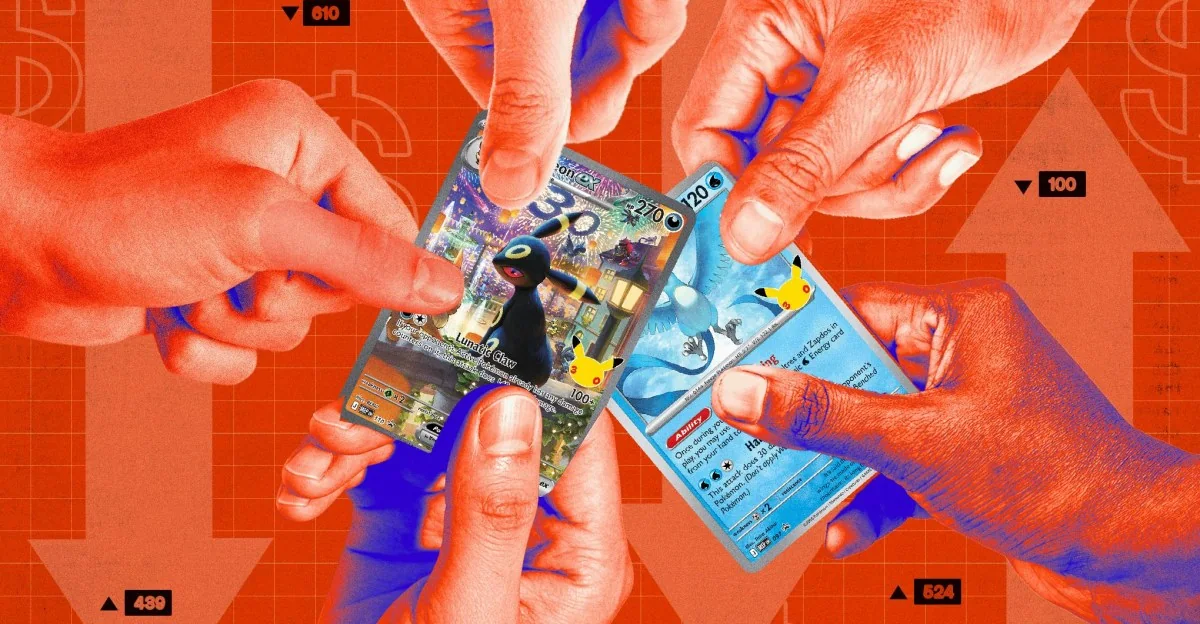
When the Pokémon Trading Card Game’s long-awaited 30th Celebration set released, collectors across the country lined up outside stores in hopes of purchasing cards. The anniversary set features strong pull rates for rare chase cards, giving fans access to cards they wanted while potentially disrupting the aftermarket economy. Some diehard fans camped out overnight due to widespread product shortages, while automated scalpers bypassed physical lines entirely.
Automated Bots and Retail Scarcity
Resellers utilizing automated bots can purchase dozens of boxes of cards instantly during online preorders, intending to offload them at marked-up prices. While retailers struggle to keep inventory on shelves, resellers showcase massive product stockpiles online. Incidents of altercations have also surfaced, including one instance where an individual was arrested for tracking a delivery worker's location using a covert device.
From Sneakers to Trading Cards
Flipping trading cards has evolved significantly as individuals recognize the durability of the Pokémon franchise's popularity. Many modern resellers transitioned from fields like sneaker flipping after realizing that Pokémon merchandise could be resold far above manufacturer suggested retail prices.
Resellers specialized in collectible markets often target trading cards because high profitability and limited retail availability create ideal conditions for their communities.
The Infrastructure of Cook Groups
Resellers often operate through cook groups that charge monthly or annual subscription fees for access to private chat servers, restock alerts, and specialized shopping bots. These tools enable users to create multiple retailer accounts connected to virtual credit cards and spoofed IP addresses. While retail bots are not strictly illegal in the way concert ticket bots were outlawed by Congress in 2016, they violate most retailers' terms of service.
Retail bots do not violate federal law directly, but they breach standard retailer terms of service agreements.
Using automated software, operators purchase large quantities of cards at MSRP without triggering anti-bot security measures. The automated process handles acquisitions seamlessly, leaving operators to sort and fulfill inventory for bulk buyers.
Many participants spend minimal weekly hours managing automated purchases, relying on notification systems to handle inventory acquisition while they sleep.
The explosion of Pokémon reselling reflects shifts in the creator economy during the covid-19 pandemic. Influencer resellers promote card flipping as an accessible path to wealth, while monetized cook groups capitalize on online hustle culture.
Reseller-driven scarcity has fueled the growth of live-stream shopping platforms where buyers purchase sealed products to be opened on camera. While streamers frame their businesses as entertaining services, critics and documentation channels have raised concerns over platform practices and customer exploitation.
However, an influx of rare cards from anniversary sets has caused friction in secondary markets. Social media platforms recently featured screenshots from reseller forums showing backlash over market saturation, with some participants complaining that high pull rates destroyed secondary card valuations.
While some online posts mocking distressed resellers may be satirical or duplicated for attention, the broader secondary economy continues to influence product availability.
Despite increased production by The Pokémon Company, modern aftermarket trends have made casual participation difficult for everyday fans and children. Observers note that the core appeal of collecting lies in the hunt and unexpected discoveries, an experience increasingly obstructed by commercial flipping.