Bridging Generations of Zelda
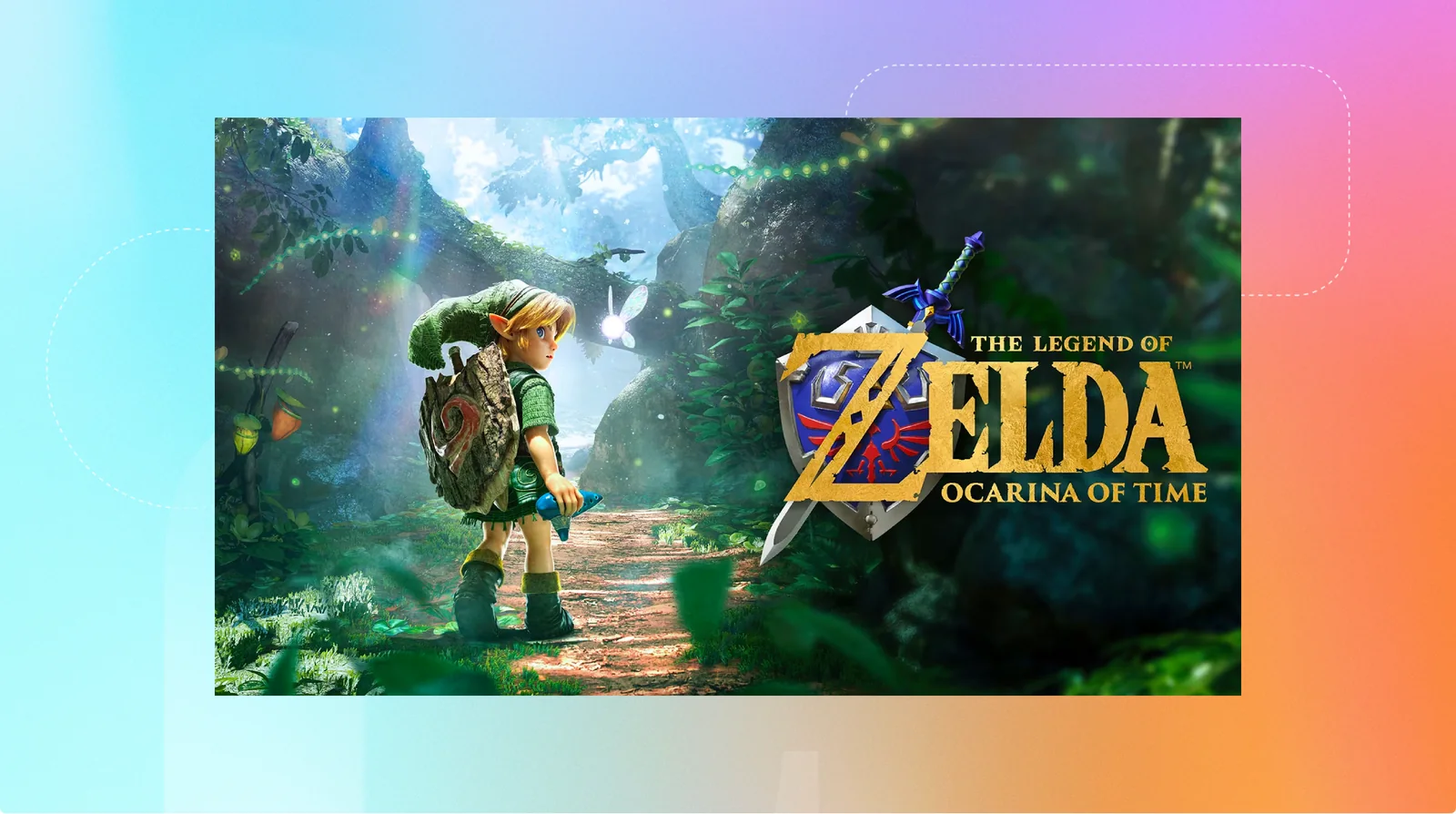
The Ocarina of Time remake on the Switch 2 bridges the gap between the original N64 experience and modern gaming standards. Led by producers Eiji Aonuma and Hidemaro Fujibayashi, the project incorporated younger developers who brought fresh perspectives to the classic title, focusing on maintaining the core experience while refining it for contemporary audiences.
Nintendo’s designers strove for ‘elegance’ when remaking Ocarina of Time
Producers Eiji Aonuma and Hidemaro Fujibayashi talk about bringing the first 3D Zelda to a whole new audience.
Nintendo’s designers strove for ‘elegance’ when remaking Ocarina of Time
Producers Eiji Aonuma and Hidemaro Fujibayashi talk about bringing the first 3D Zelda to a whole new audience.
Fujibayashi noted that the younger team members were careful not to add novelty for its own sake. Their focus remained on elegance and retaining the essential elements of the original game, a philosophy he believes will benefit future development projects.
Modernizing Gameplay and Scope
Aonuma highlighted the massive shift in production scale since 1998, noting that while the core process remains similar, the increased team size and time requirements make management more complex. The team also addressed dated mechanics, such as camera control and movement limitations, by introducing features that align with the freedom found in recent titles like Tears of the Kingdom.
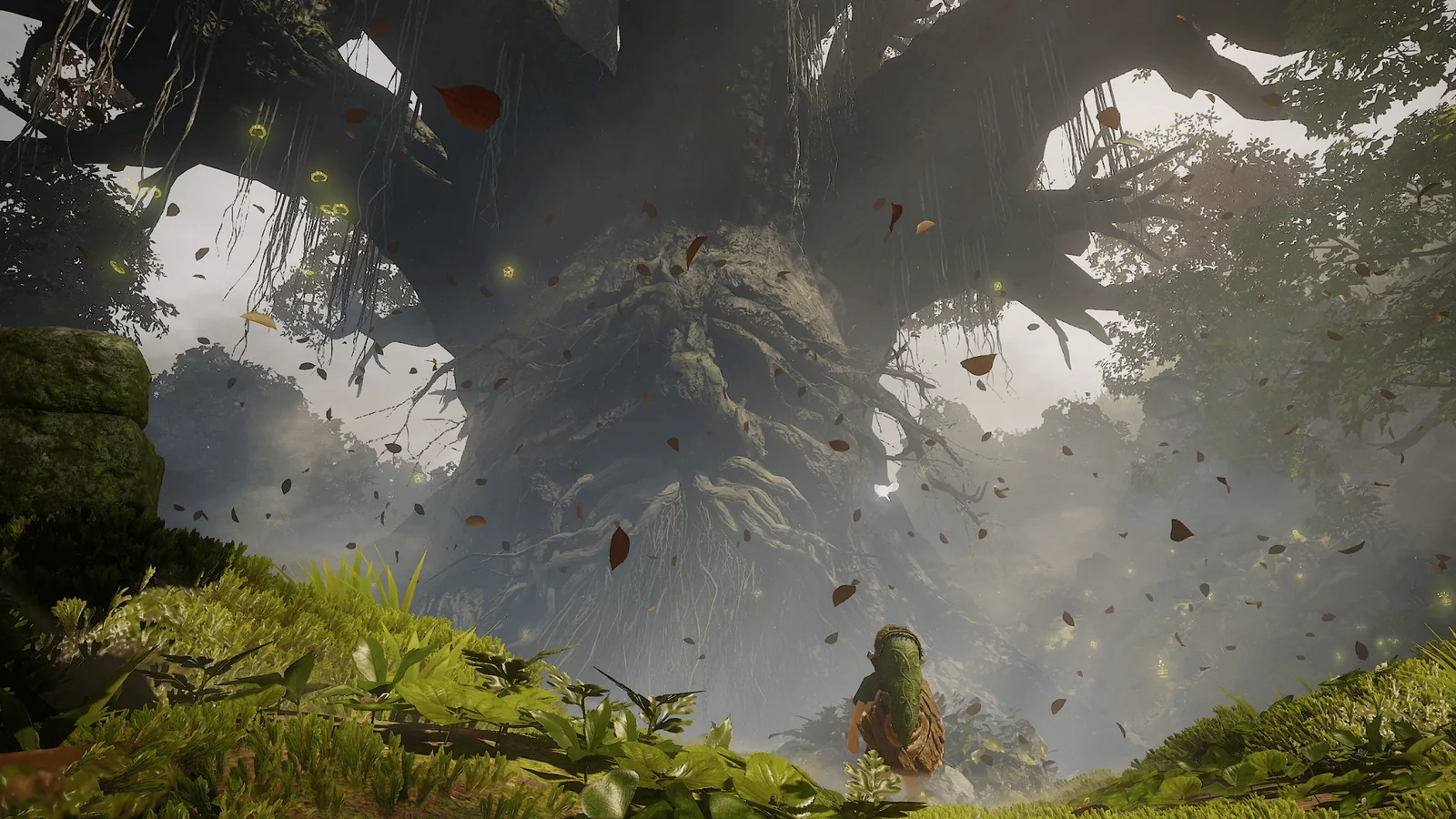
The remake introduces complete camera control and improved movement, providing a smoother experience that connects the classic title to modern Zelda standards.
Eiji Aonuma.
Aonuma explained that adjusting the world to accommodate free jumping was a deliberate choice to offer players more ways to approach goals, mirroring the design freedom seen in recent franchise entries.
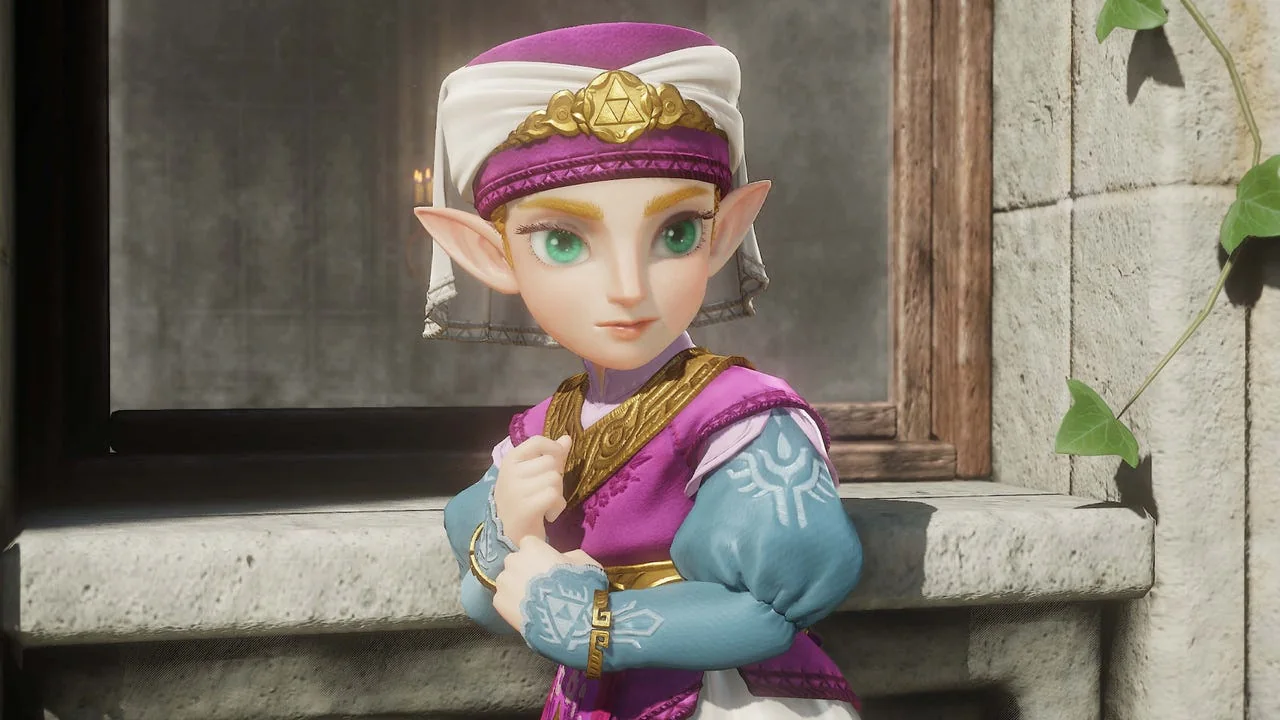
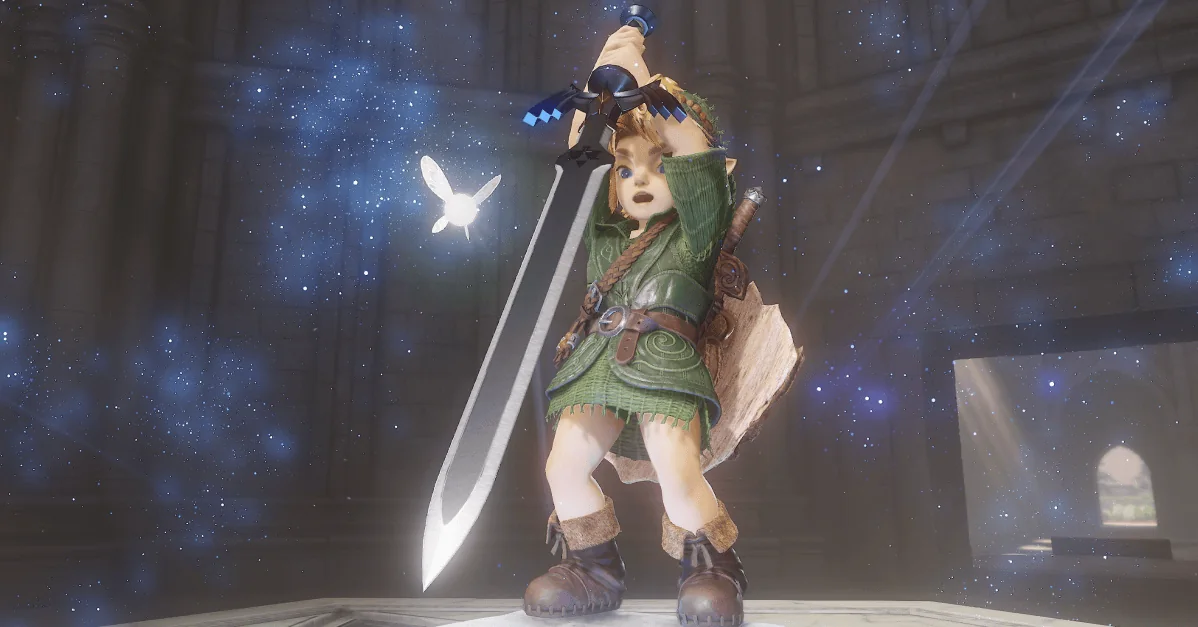
The visual overhaul aims to reveal details that were previously impossible to render on N64 hardware, blending realism with the series' signature fantasy aesthetic.
Refining Classic Mechanics
Fujibayashi emphasized that the original game's Z-targeting system remains a foundational element for 3D combat, proving its longevity. Meanwhile, Aonuma addressed long-standing criticisms, such as Navi’s overbearing guidance, by streamlining hints and implementing in-game logs to help players track their progress without constant interruptions.
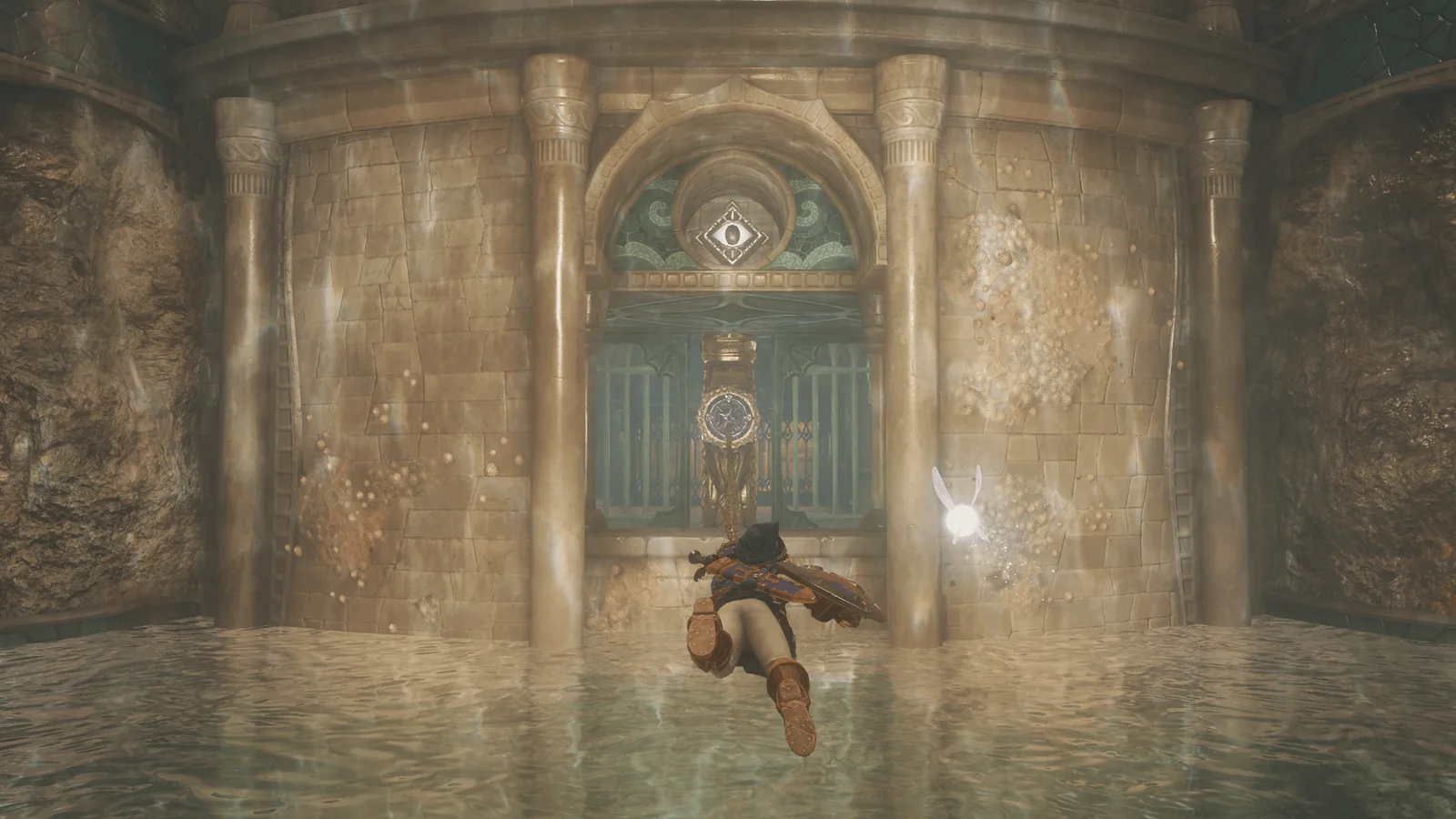
Navi’s presence has been adjusted to be less intrusive, ensuring that players have more room to think for themselves during the adventure.
The team focused on creating a balance between guidance and player autonomy, using text-based logs to keep players informed without overwhelming them with dialogue.
Hidemaro Fujibayashi.
The notorious Water Temple has been modernized, with improved camera controls and menu navigation making the dungeon significantly more accessible compared to the original version.
The Future of the Franchise
Aonuma views the diversity of Zelda gameplay styles—from open-world exploration to traditional dungeons—as vital to the franchise's longevity. He remains optimistic about the future, noting that the collaboration with younger staff on this remake has introduced new ideas that will continue to shape the series.
The development team continues to build upon the established "playbook" of Zelda, integrating fresh perspectives to ensure the franchise remains innovative.