Razer Blade 16 (2026) two-minute review
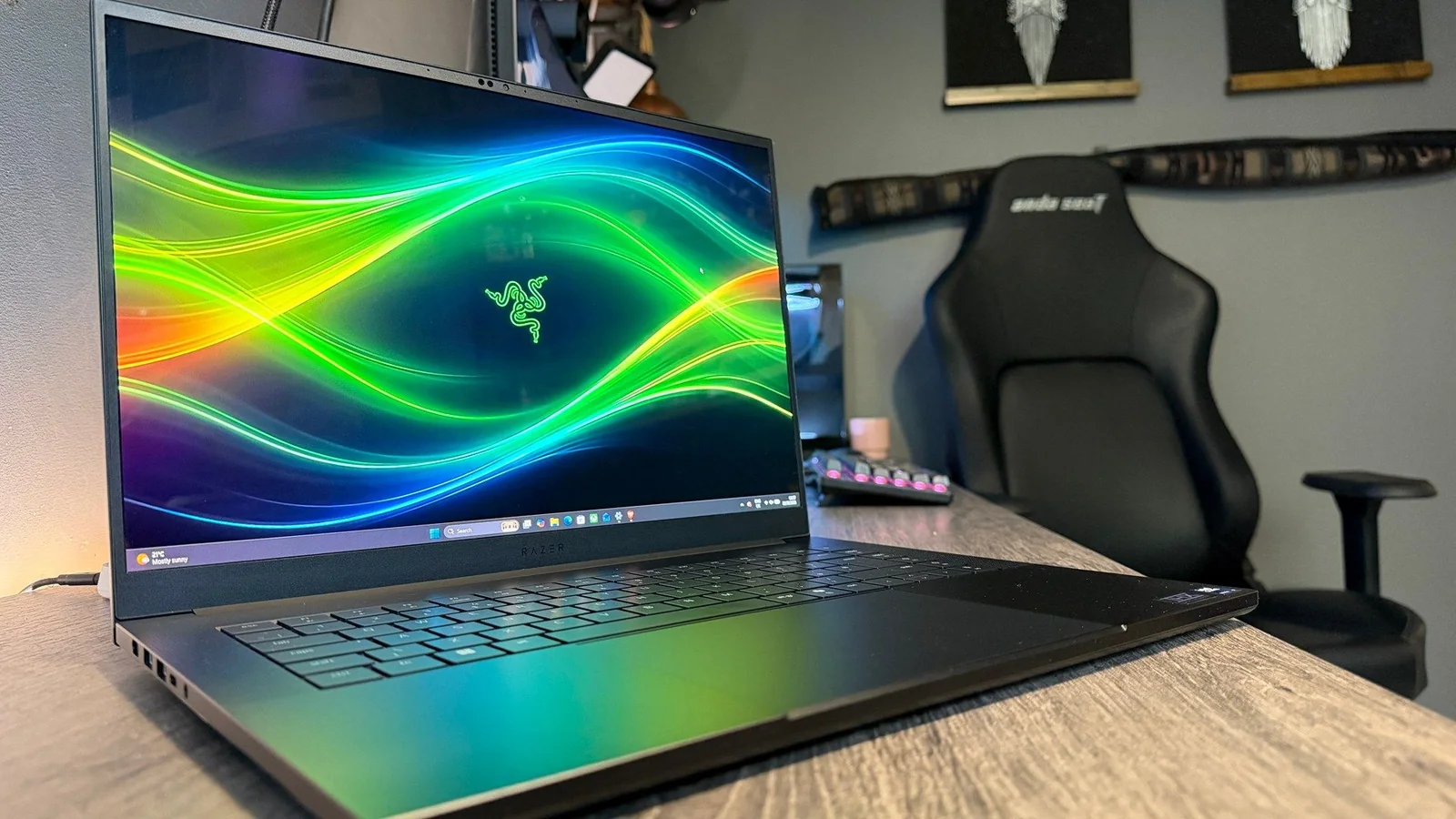
Razer's latest Blade 16 is by far one of the most capable gaming laptops available. The internal hardware specification is off the charts, featuring an Nvidia RTX 5090 with 175W of power, an Intel Core Ultra 9 386H, and 32GB of LPDDR5X RAM running at a zippy 9,600 MT/s.
Razer has managed to cram all of that performance into a thin form factor while keeping thermal output and power delivery properly managed.
Speaking of design, the laptop maintains a stunningly clean aesthetic. Razer has taken the traditional laptop form factor and refined it to be simple, elegant, and sleek in almost every area.
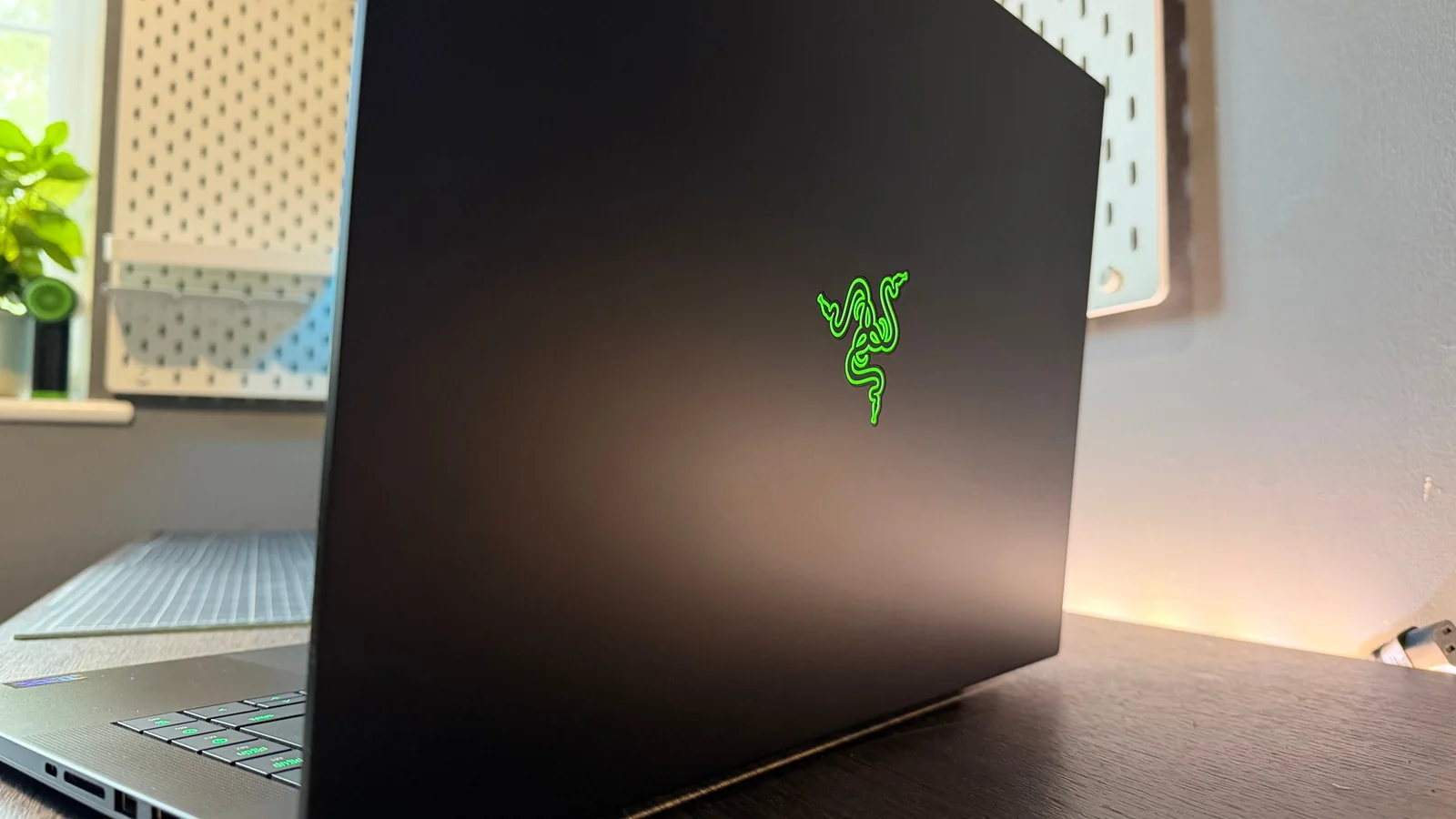
From the keyboard and trackpad to the port selection, the device oozes a premium feel. It includes an RGB keyboard and an illuminated green Razer logo on the back lid, but aside from that subtle branding, there is little to indicate it is a heavy-duty gaming machine.
The display matches the high-end internal specifications, offering a gorgeous 2560 x 1600 OLED panel with a 240Hz refresh rate and inky deep blacks. Paired with the robust graphics processor, demanding titles maintain high framerates even on ultra presets.
The primary drawbacks noted are the absence of an integrated Ethernet port and a prohibitive price tag.
Razer Blade 16 (2026) review: Price and availability
The Razer Blade 16 is available globally, with base specifications starting at $3,499 USD, £3,499, and AU$5,999.
Base configurations typically downgrade components such as substituting the RTX 5090 for an RTX 5070 Ti and reducing storage capacity from 2TB to 1TB.
Buyers can also configure the laptop with an RTX 5080 or bump system memory up to 64GB.
Due to high demand, units frequently experience pre-order queues or stock shortages despite the premium cost.
The internal storage SSD can be swapped out by users with appropriate tools.
Razer Blade 16 (2026) review: Design
The aluminum chassis features a cool, soft-touch satin finish with clean-cut edges and subtle bevels, maintaining a consistent design language across the keyboard, trackpad, and display bezels.
Razer successfully builds a machine that bridges the gap between professional productivity and gaming aesthetics without compromising either identity.
Razer successfully builds a laptop that blurs the lines between gamer and professional use cases seamlessly.
The default illuminated green snake logo on the rear panel stands out somewhat against the otherwise understated aesthetic.
From a hardware perspective, the display pairs an exceptional color profile with the unlocked RTX 5090 running at a 175W TGP. The 2560x1600 resolution on a 16:10 aspect ratio results in a sharp pixel density of roughly 189 PPI, supported by a 240Hz refresh rate and DisplayHDR TrueBlack 1000 certification.
Pairing high-end mobile graphics with a 1600p panel provides a well-rounded balance that maintains high frame rates and avoids the diminishing returns of overly dense 3K or 4K laptop screens.
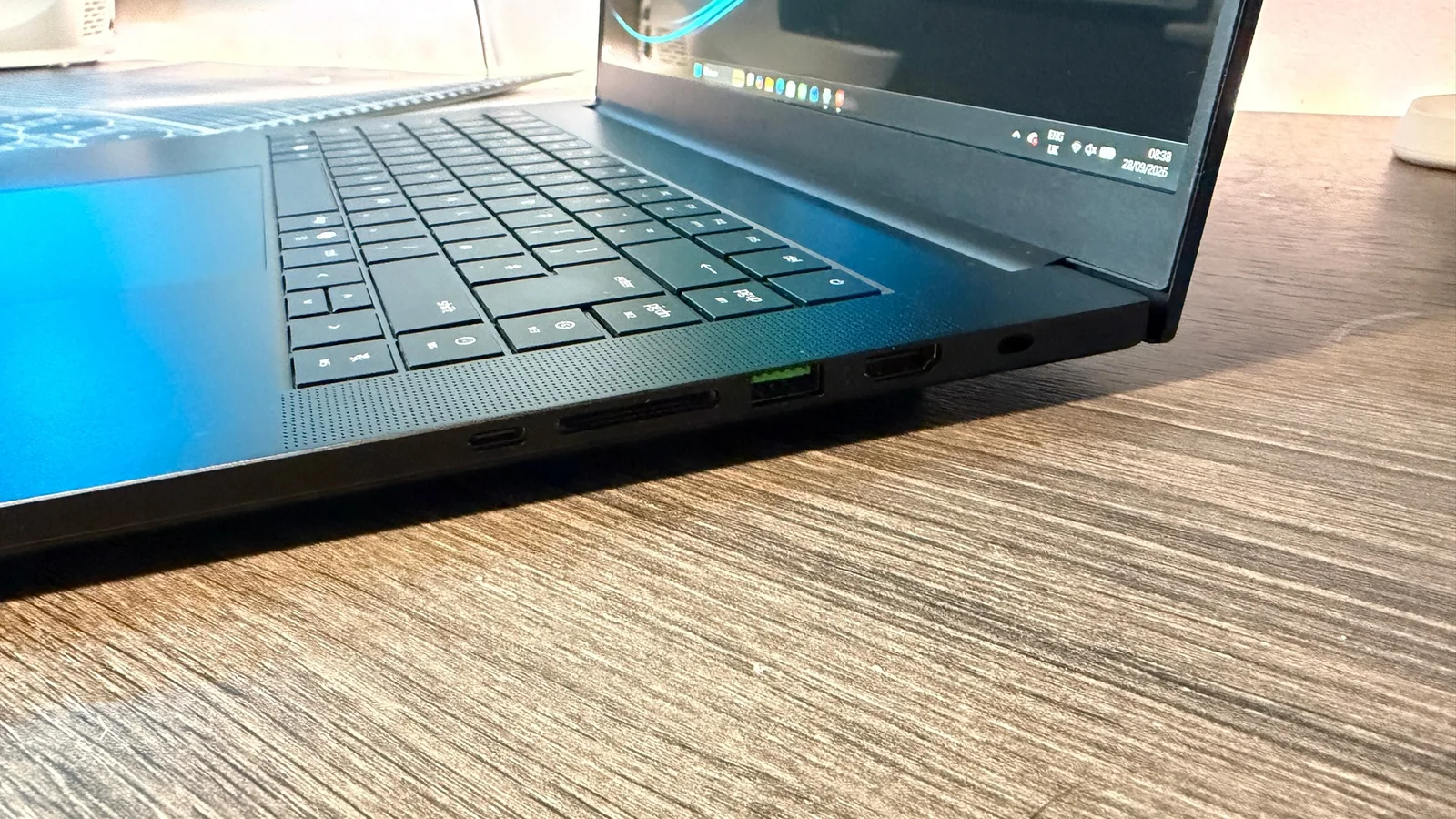
The port selection includes Thunderbolt 5 and Thunderbolt 4 (both supporting power delivery), USB-C ports, an SD card reader, HDMI 2.1, Wi-Fi 7, and Bluetooth 6, though a dedicated Ethernet port is missing.
System memory is soldered directly to the motherboard, meaning users must choose their desired RAM capacity at the time of purchase.
Razer Blade 16 (2026) review: Performance
The included Lexar NM790 PCIe 4.0 SSD offers adequate reliability and speed without competing with top-tier PCIe 5.0 drives, helping keep the overall system cost from escalating further.
The storage drive lacks a DRAM cache but handles daily workloads reliably.
Synthetic benchmarks demonstrate strong capabilities, with 3DMark Fire Strike scoring 36,218, Time Spy reaching 21,661, and Geekbench 6.6 single-core and multi-core tests yielding strong scores.
In practice, gaming performance is exceptional across various benchmark suites and native resolution ultra presets.
At 2560x1600, Cyberpunk 2077 on Ray Tracing Ultra averaged robust frame rates when assisted by DLSS and frame generation technologies.
Strategy and role-playing titles similarly push high numbers, validating the hardware capabilities.
The 175W total graphics power allows the GPU to sustain high clock speeds during heavy gaming sessions while maintaining moderate operating temperatures.
The Intel Core Ultra processor handles heavy loads effectively, though maximum performance results in elevated thermal output under peak stress.
Intel's Core Ultra 9 delivers competitive single-core and multi-core processing scores for a mobile platform.
Razer Blade 16 (2026) review: Battery life
Under intensive gaming battery tests, the device yields around 81 minutes of runtime, which is standard for high-wattage desktop replacement laptops.
General media playback tasks yield around three and a half hours of battery life with Wi-Fi enabled.
The bundled 280W power adapter replenishes the battery rapidly when connected to mains power.
Should I buy the Razer Blade 16 (2026)?
You are looking for a laptop that successfully bridges professional workflows and high-end gaming. With exceptional hardware and reliable performance across professional applications, the Blade 16 is a remarkable device.
You appreciate a crisp OLED display that performs well for varied content creation and media consumption, featuring accurate colors and a high refresh rate.
You prioritize cost-effectiveness. At a very high price point, you are paying significantly for industrial design rather than pure hardware value.
You require a built-in Ethernet port for wired networking without needing external dongles.
Razer Blade 16 (2026) review: Also Consider
Alienware 16 Area-51
The Alienware alternative shares comparable specifications including a 2560 x 1600 screen, 240Hz refresh rate, and RTX 5090 graphics, though it lacks HDR support and falls slightly short on battery life while offering a lower price point.
Razer Blade 18 (2026)
For users wanting a larger screen footprint with a higher 3840 x 2400 resolution, the larger Blade 18 serves as an alternative option within the ecosystem.