The AI Threat to Modern Game Development
The leadership at Rockstar Games parent company Take-Two has addressed the growing concern surrounding AI-assisted reverse-engineering and decompilation of video games ahead of major industry releases.
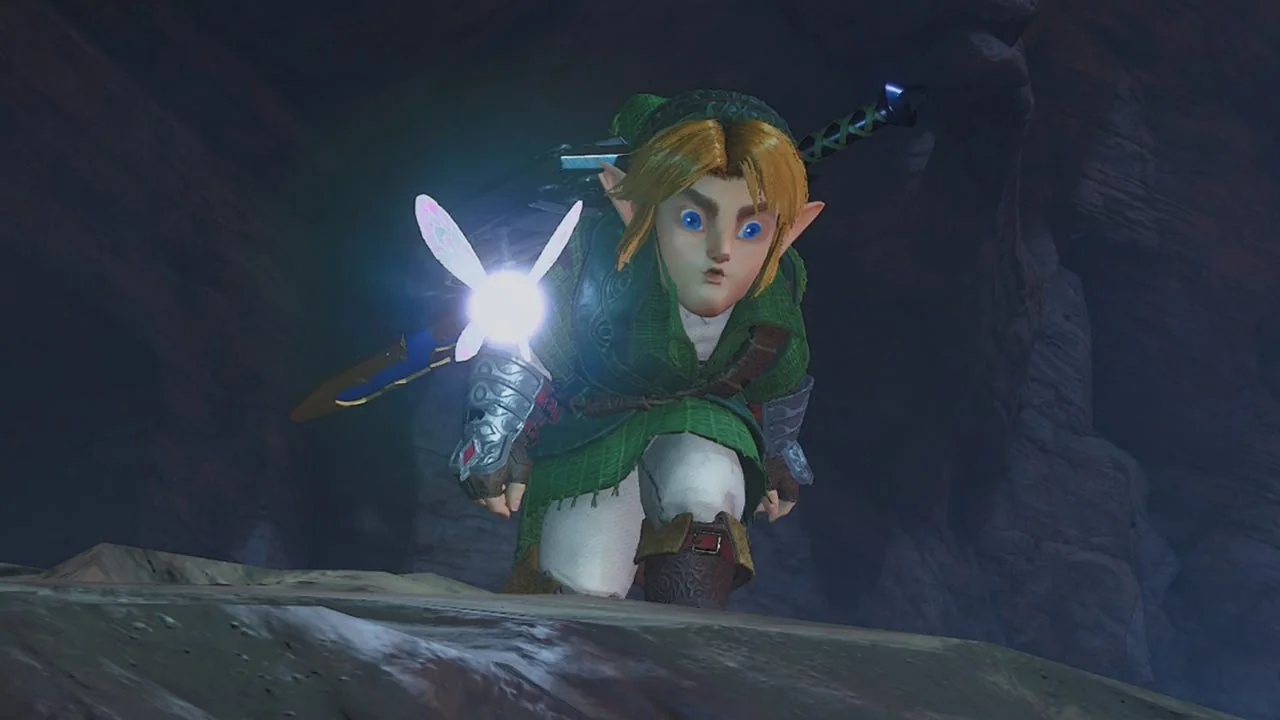
Recent viral demonstrations show users leveraging artificial intelligence to create functional clones of popular titles and run them on platforms where they are not officially available. Experiments range from browser-based versions of major releases to projects merging multiple complex titles together.
In response to misuse, AI developers have introduced updates to restrict models from generating video game clones. However, industry observers remain concerned that upcoming blockbusters could face rapid unofficial porting efforts shortly after launch.
Industry Concerns and Console Security
Discussions surrounding automated decompilation tools have sparked speculation that artificial intelligence might accelerate the translation of complex console software into unofficial PC ports. Industry veterans note that publishers may need to adapt release strategies in light of these technological shifts.
Security discussions also extend to platform hardware, with ongoing efforts by hackers to bypass firmware restrictions on current-generation consoles. Maintaining robust console security remains critical to preventing unauthorized distribution and piracy across gaming ecosystems.
Take-Two Leadership Response
Take-Two CEO Strauss Zelnick acknowledged the seriousness of the situation while expressing confidence that consumers ultimately prefer official, high-quality developer-intended experiences over unauthorized ports.
Zelnick emphasized that the primary challenge is creative rather than financial. He noted that protecting intellectual property remains a core priority as technology advances rapidly, ensuring players receive the intended artistic vision.
Zelnick further argued that companies operating in the intellectual property sector should actively protect proprietary works across the industry rather than undermining security standards.
Enhanced Defenses and Legal Action
During investor communications, Zelnick reiterated Take-Two's firm stance against unauthorized reverse-engineering, indicating readiness to pursue legal avenues alongside technical countermeasures.
While noting that the gaming industry has historically been protected from widespread piracy due to massive file sizes and intricate software architecture, executive leadership acknowledges that new challenges require updated strategies.
Consequently, Take-Two is focusing heavily on strengthening technical security measures and preparing appropriate legal responses to address potential intellectual property infringements.
Industry peers have similarly highlighted the mounting pressure on legal departments across major publishing houses as they navigate the intersection of automated tools and copyright enforcement.
The Ongoing Console Security Cycle
Meanwhile, the console homebrew community continues to target hardware firmware vulnerabilities, leading to periodic security updates from manufacturers designed to patch exploits and safeguard upcoming software releases.
This cycle of security patches and vulnerability discoveries creates an ongoing challenge for platform holders attempting to secure system software ahead of major software launches.
As artificial intelligence capabilities advance, the stakes for maintaining platform integrity have risen significantly, requiring close collaboration between hardware manufacturers and software publishers.