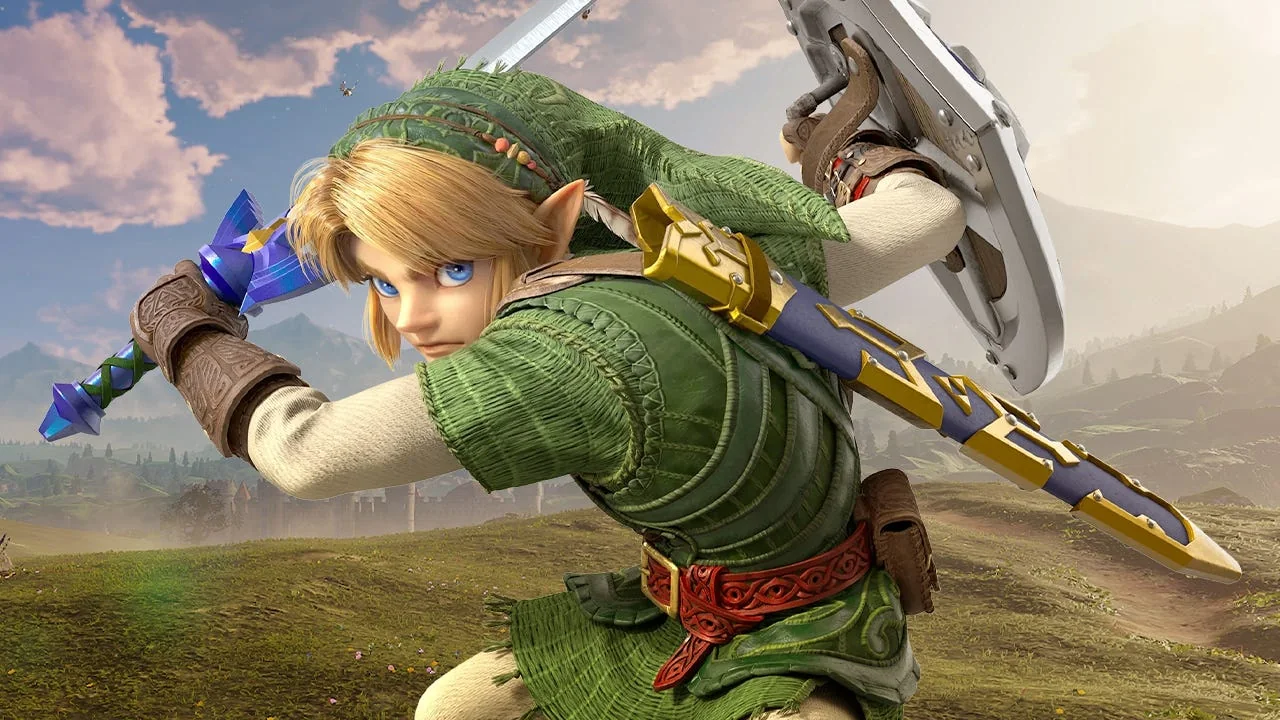
A Timeless Adventure Reimagined
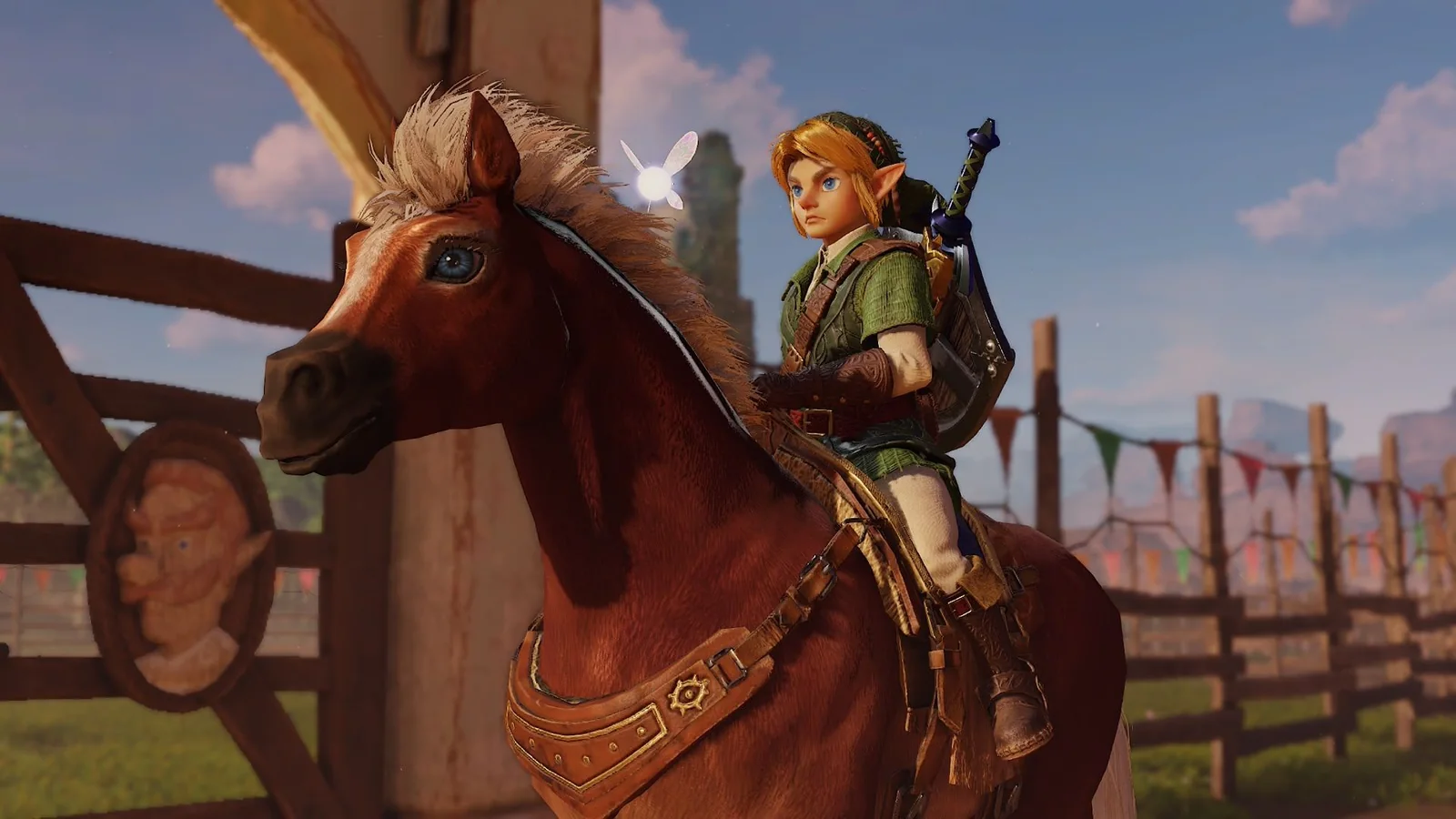
Two eras intertwine in The Legend of Zelda: Ocarina of Time, and Nintendo skillfully commands them both. Link’s journey through the ages melds the world and dungeon design of classic Zeldas with the movement and presentation of its more recent games. This is not an exact one-to-one remake of the Nintendo 64 original, nor is it a complete reimagining. It’s a modern interpretation that adds depth to what was already there through its rich art style and expanded dialogue. Whether you're a returning fan approaching this as a remake of a longtime favorite or a newcomer viewing it with fresh eyes as a standalone adventure, Ocarina of Time is exceptional. The source reviewer spent 30 hours obsessing over every inch of this beautiful realization of Hyrule – and when the credits were reached, the reviewer started over again to find even more of its best-kept secrets.
Link’s quest to stop the evil Ganondorf and save Hyrule proves how much value there still is in the traditional Zelda formula. That means exploring the world to find the next dungeon, unlocking a key item within that helps you solve puzzles and defeat its boss, and then using that tool to uncover new areas. There are also tons of secrets, side quests, and gold spiders to find off the main path. This more linear structure offers a different type of satisfaction than modern Zelda’s open-world adventures, and its signature time travel mechanic – which has you swap back and forth between child and adult versions of Link to progress, complete with a familiar but radically changed world for each – remains interesting to this day.
Visuals and Sound
The source review notes that upon entering Kokiri Forest, the game's visual and audio presentation immediately stands out as exceptional. From quaint towns to creepy dungeons to warmly-lit fields, this Hyrule carves a permanent place in the mind. It’s rich with details that paint a full, practical picture of this fantasy world: Link takes a breath and moves his fingers when playing the ocarina, his scurrying Bombchu explosives are depicted as wind-up toys, and the grass he cuts blends naturally into the surroundings. The game maintains a solid 60 frames per second both docked and handheld, complemented by a fantastic audio experience. Gold Skulltulas fall out of trees with a loud thump, enemy swords sharply clang off Link’s shield, and Koji Kondo’s beautiful original soundtrack is perfectly performed by a talented small group of musicians.
Link’s animations are packed with endearing detail as well: he watches his step when running down stairs and covers his face when walking through tall grass. He also has some charming reactions pulled straight from Breath of the Wild: you can see him overheating in the volcanic Death Mountain Crater without the right gear, and his tunic will actually catch on fire. This is a small tweak from the original, where a timer warned you of how long he could survive the heat. Elements of modern Zelda’s reactive, systems-based design enrich this old-school adventure in small ways.
The presentation enhances the storytelling, drawing the source reviewer deeper into the narrative. Important story moments are often beautifully framed, like how the opening seamlessly transitions from Link sleeping to his nightmare in Hyrule Field. While Link remains a silent protagonist, his expressive facial animations convey his thoughts, and the supporting cast delivers enjoyable, over-the-top voice acting that suits the fantasy setting.
Refined Controls and Combat
The controls are immediately familiar to players of modern Zelda titles. While climbing is restricted to marked walls, Link can now freely dash and jump with a button press, transforming tightrope sequences into fluid platforming. His precise responsiveness makes movement through the world consistently enjoyable.
Link wields his items from a third-person perspective, with optional motion aiming that allows for precise targeting. Freely aiming and moving at the same time makes weapons like the slingshot or bow far more viable parts of the arsenal. The source reviewer notes significantly increased use of ranged weapons like the slingshot in the remake.
The main weapon is still the sword, and combat feels great; Link is quick on his feet, and his slashes land with crunchy, bright impact. Players need to learn each enemy’s behaviors and swiftly sidestep or backflip away until it’s the right time to strike back. Wolfos swing their claws so hard they twirl around, while Stalfos grant a window of opportunity while they’re recovering from a jump attack. Each enemy presents a light puzzle of its own.
This pattern recognition could get old – once you’ve seen one Dodongo do a spin attack, you know how to beat them all – but Hyrule has a wide lineup of colorful enemies that only appear in a few places each. Baby Dodongos chase you and explode like fireworks, Armos statues come to life and jump scare players every time, while fully armored Moblins charge at you with sharp spears. The Hall of Fallen Foes, a new museum, allows players to admire detailed character designs and rematch powerful enemies.
The Zelda series, as action-adventure games balancing combat, exploration, and puzzles, benefits from the action's relative simplicity. However, the remake is not particularly challenging, partly due to Link's improved controls. While enemy behaviors remain rooted in 1998 game design, Link's enhanced movement and aiming capabilities mean fights and minigames often lack significant risk or difficulty for the source reviewer.
The absence of a harder difficulty mode, such as the Hero Mode found in other Zelda remakes, is noted as a missed opportunity. A new item, Business Scrub Seeds, which summon a shopkeeper, feels underutilized due to the abundance of resources, leading to disappointment when found. A more challenging mode would likely enhance the value of such items and address the game's singular difficulty setting.
Exploration and World Design
Link’s capabilities feel modern, but the world he lives in is delightfully old-school. On the way to the dungeon where bombs are unlocked, the source reviewer passed many cracked walls begging to be blown up. Once the dungeon was cleared and bombs were acquired, it was rewarding to return to each one and reveal its secrets.
This style works especially well in Ocarina of Time because of Hyrule’s dense, compact layout. It never feels like a chore to return somewhere once new abilities are acquired because everything is so close together. Once players figure out how to ride Epona, Hyrule Field becomes a playground that’s fun to zip across. Plus, players may stumble into smart shortcuts that tie distant areas together, and they’ll learn songs that let them warp to specific spots.
The adventure is guided by player curiosity; Navi rarely offers unsolicited advice, and the new quest log provides only broad objectives. While not as open-ended as modern Zelda titles, the emphasis on player discovery for progression remains a core strength of the series' exploration.
Players often discover what’s going on the old-fashioned way: by talking to people. Hyrule is full of secrets, and its townsfolk love to gossip. Helpful Zora might mention the king’s worries, leading to the next dungeon. A woman in Kakariko Village might seek lost Cuccos, offering a prize for their return. Conversations lead to main quests, side quests, and memorable, funny moments.
Characters' dialogues evolve with story progression, and they now have more detailed daily routines as time passes in towns. The source reviewer found themselves observing the townsfolk's movements and interactions, adding to the world's immersion.
These characters send players toward side activities where they play games, investigate things that look out of place, and draw connections across the world and its eras. Their wonderful variety plays into the excellent pace, where it always feels like something different is happening. Side quests help fatten the wallet, and players will need as much cash as they can get, because Great Fairies charge a hefty price for worthwhile magic upgrades.
Dungeon Design and Puzzles
Eventually, adventures culminate in dungeons, which the source reviewer notes are reminiscent of traditional 3D Zelda puzzle boxes designed for specific solutions. While modern Nintendo design offers freedom, the structured limitations of these dungeons provide a unique and rewarding challenge.
Zelda series producer Eiji Aonuma's early work with mechanical dolls, designed to intrigue observers with their inner workings, parallels the design philosophy of Ocarina of Time's dungeons. The most effective dungeons function as intricate contraptions, requiring players to consider each room as part of a larger, interconnected whole.
28 years later, these dungeons are still a delight to unravel. They carry an excellent blend of puzzles within individual rooms, battles with enemies and minibosses, and clever moments where players need to think about the whole space. Each one feels unique: Navigating twisted hallways in the Forest Temple leads to different wings of a haunted mansion, while the Fire Temple’s eerie chants wonderfully complement its intense linear climb to the top of a scorching tower.
While the core loop of entering rooms, defeating enemies, and solving puzzles remains engaging, some minor changes in the remake impact the dungeon experience. For instance, certain locks are now positioned closer to their keys, reducing the scope of exploration and the need to consider the broader dungeon layout.
While acknowledging the intent to address long-standing player frustrations, the remake occasionally overcorrects, simplifying previously obscure puzzle solutions. Some rooms now feature obvious answers or literal visual cues, such as unmistakable hookshot targets, which can diminish the sense of discovery and required thought.
The Water Temple, notorious in the original, now features fewer small keys. A previously crucial room is now optional for completionists, removing a significant discovery from the critical path. While not every room is altered, these instances contribute to a trend that makes the classic Zelda 'aha!' moments less frequent and impactful.
The source reviewer played the game twice to evaluate the dungeons beyond initial scrutiny. Despite fewer keys, the Water Temple still effectively tests logic with its water level mechanics, and some individual puzzles show improvement. Overall, the dungeons remain largely fantastic, though the reviewer expressed a desire for more challenge.
The source reviewer also utilized Pro Mode, which removes most UI elements, including the minimap. This mode is recommended for Zelda experts, as the detailed minimap can otherwise function like a GPS, revealing chests and locked doors. The map remains accessible via the pause menu.
The dungeon bosses are giant, threatening puzzles to be solved, usually with a specific item. They go down fairly quickly once their tricks are known, but this allows for fun in racing to improve times in boss rush mode. These fights are filled with epic moments, like knocking an enormous spider off the ceiling, or finding goofy ways to fight them, such as deflecting Phantom Ganon’s volleys with an empty bottle instead of a sword.
The game is rich with dozens of delightful surprises and secrets, many existing purely for the sake of playfulness. Ocarina songs trigger unique interactions, masks alter character dialogues to reveal hidden lore, and exploration often yields unexpected discoveries. The abundance of well-hidden secrets ensures that stumbling upon them feels impactful and rewarding, with many likely remaining undiscovered by players.