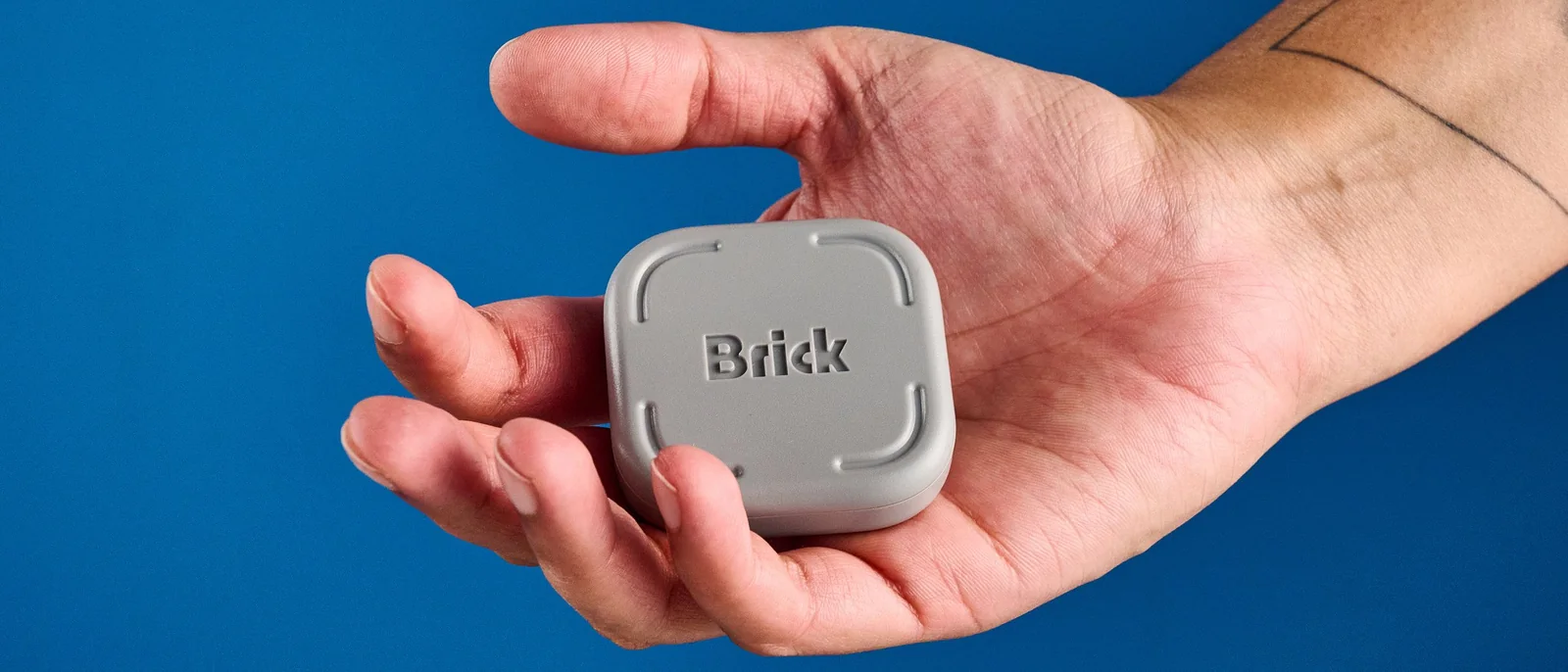
When something is heavily advertised on social media, it is easy to get drawn in. After seeing constant advertisements for the Brick, putting the device to the test became essential.
After testing it — and facing a real look at phone and social media habits — the Brick proved effective at reducing screen time. Customizable modes allow users to tailor blocking to suit their lifestyle, and it can be used on an unlimited number of devices with its magnetic and non-slip design.
However, it works by exploiting your unwillingness to go and find the Brick to unblock your phone. If waiting it out is difficult, this tool may require some adjustment.
Pricing and Alternatives
The Brick is available for $59 / £44 directly from the manufacturer online store. Multi-packs and mounts are also offered, though the built-in silicone base and magnetic backing make extra mounting accessories largely unnecessary.
Other hardware alternatives exist on the market, such as Bloom, a card-shaped device for wallets costing $39. However, the larger footprint of the Brick prevents it from being easily misplaced like a card. Users can also theoretically create custom NFC tags or QR codes paired with open-source apps.
Software apps that block access also exist, but the ease of disabling them within the software provides a much weaker barrier compared to physical separation.
Design and Build
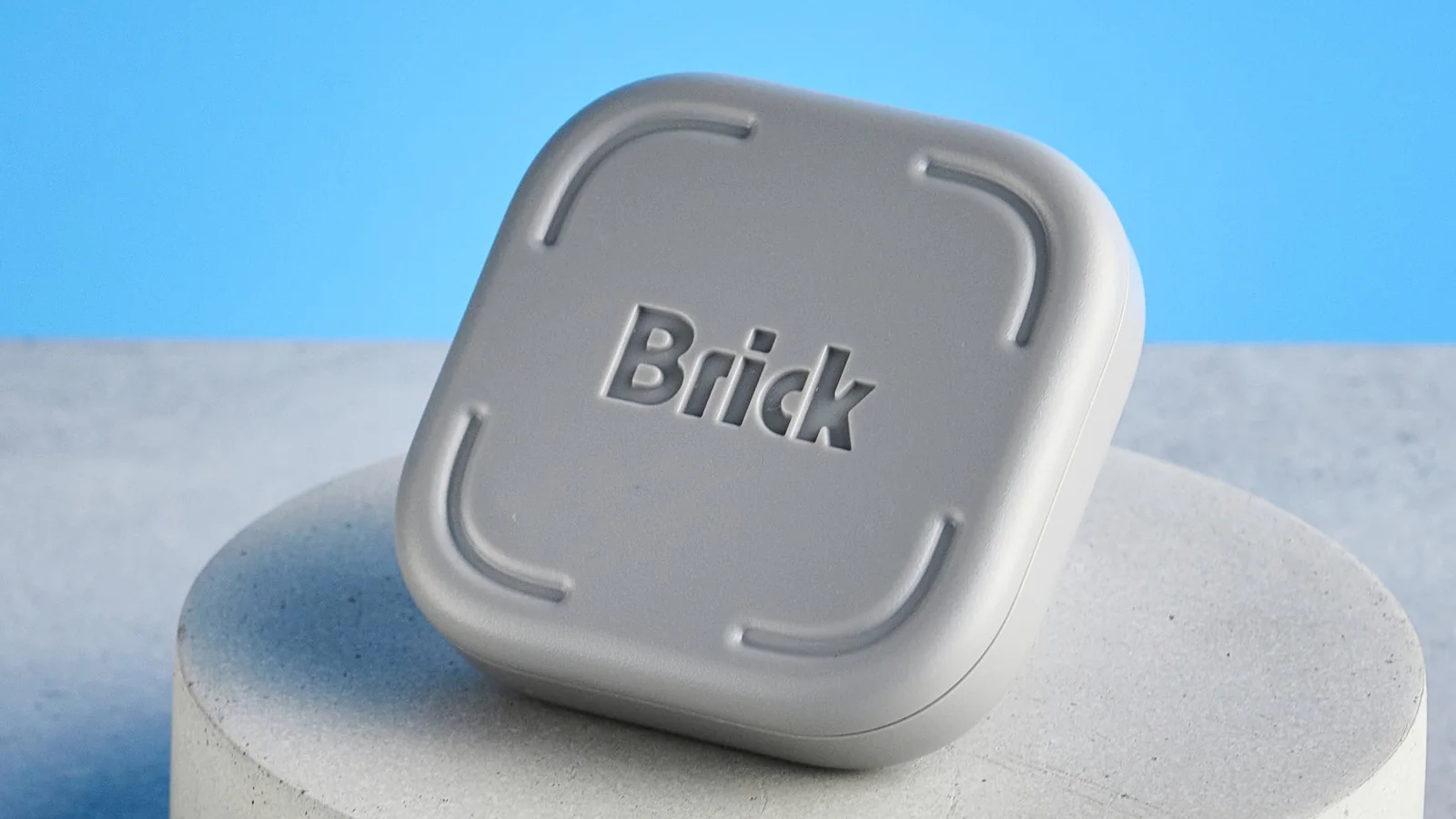
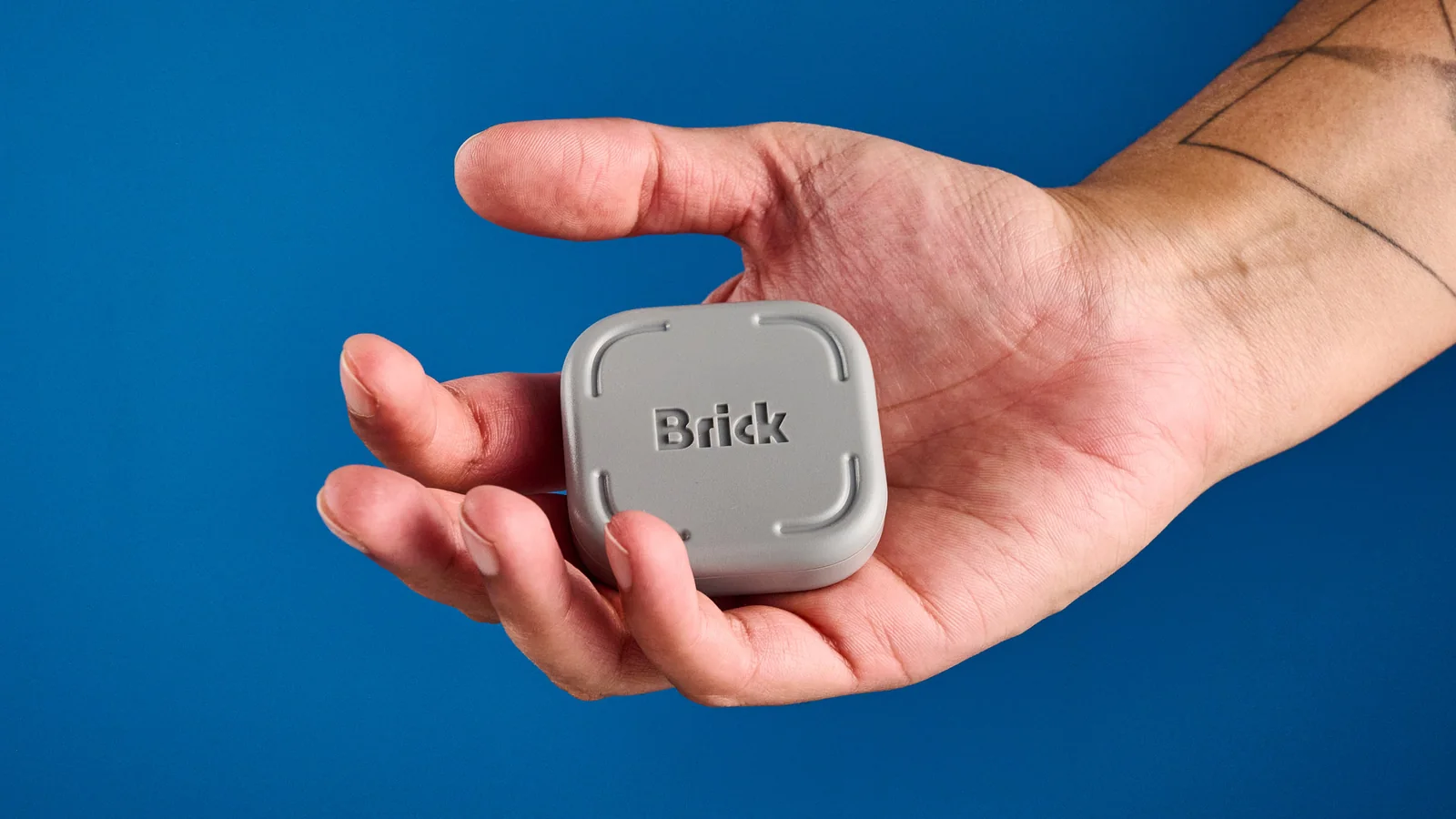
The Brick features a simple, minimalistic gray square aesthetic. While it won't win avant-garde design awards, it is completely functional for its purpose.
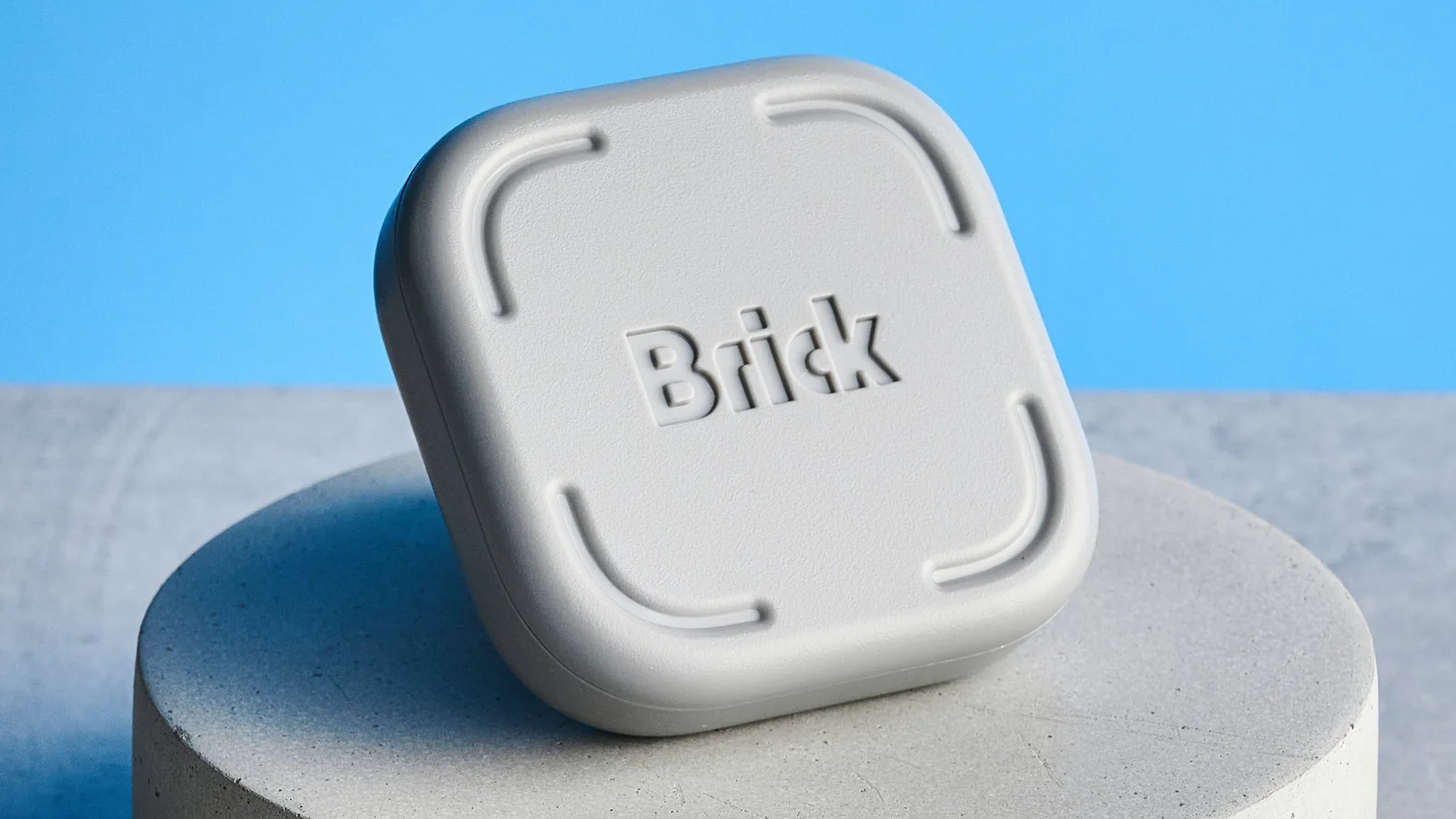
Measuring 2 x 2 inches, it is compact enough to stay out of the way. At 3.17 ounces, it possesses a slight heft without feeling burdensome.
The silicone base keeps it secure on tables, and the magnetic backing allows for easy storage on household surfaces like refrigerators.
How It Works
The Brick contains a Near Field Communication (NFC) chip rather than a battery. Tapping a phone to the device exchanges a signal that commands the companion app to block selected applications, mirroring the mechanics of contactless store payments.
NFC chips are commonly encountered in everyday contexts like transit turnstiles, restaurant menu QR replacements, or device-to-device data sharing.
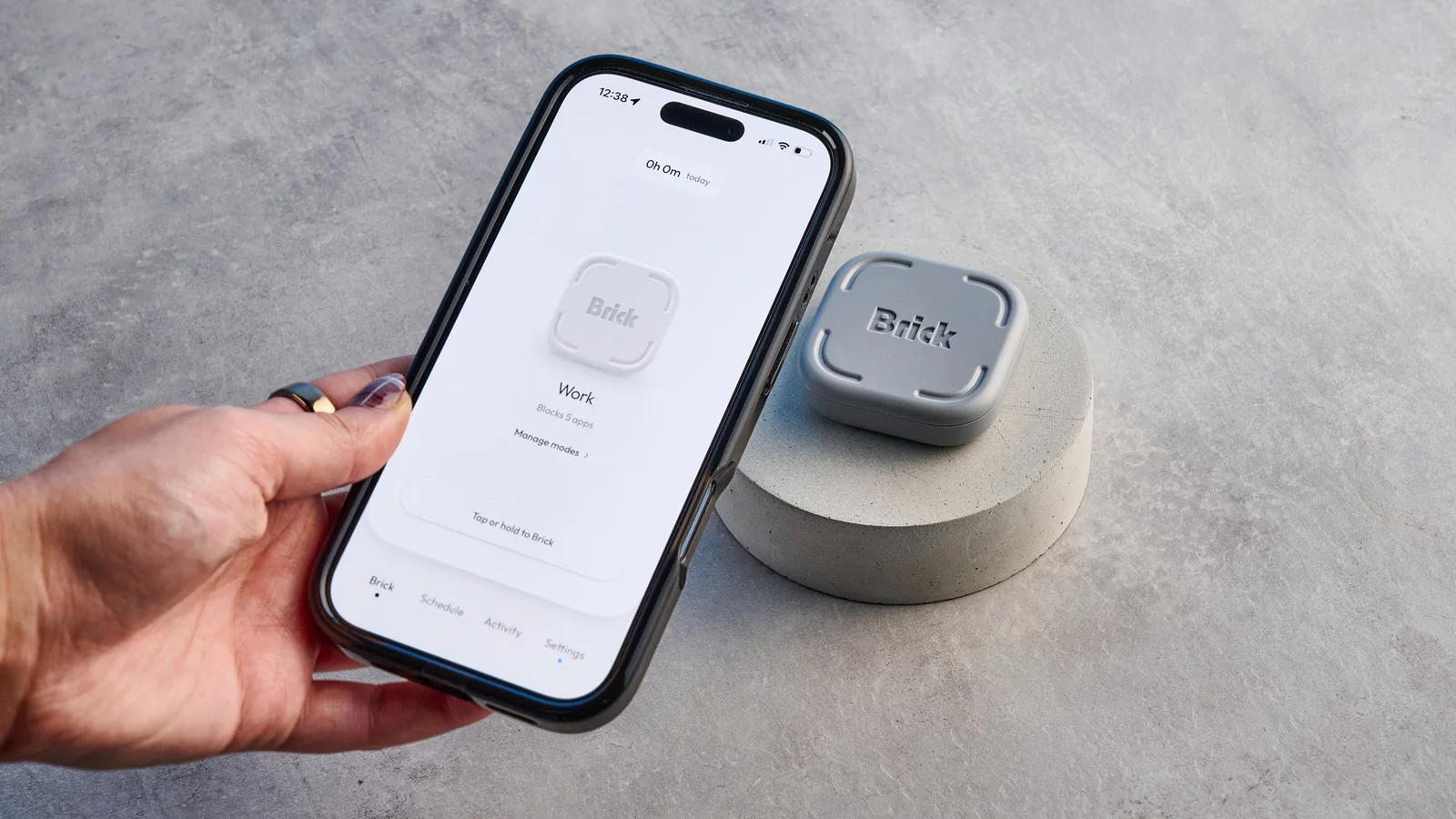
Unlike long-range RFID chips, NFC requires very close proximity. Users must physically walk over and touch their phone to the hardware. The entire system relies on exploiting your reluctance to get up and cross the room.
Once a phone is blocked, returning to the physical location of the Brick is required to reverse the state. Leaving the device in another room or at home prevents immediate circumvention, giving card-based alternatives a disadvantage since they travel in wallets.
For genuine emergencies where access to blocked apps is critical, a limited pool of five emergency unblock actions are provided to lift restrictions automatically.
A single unit supports an unlimited number of devices via the companion app, making it adaptable for shared household or classroom environments.
Companion App and Modes
The Brick companion app is free and supports unlimited hardware units. During an active blocking session, the app restricts tinkering with settings, displaying only the active duration timer.
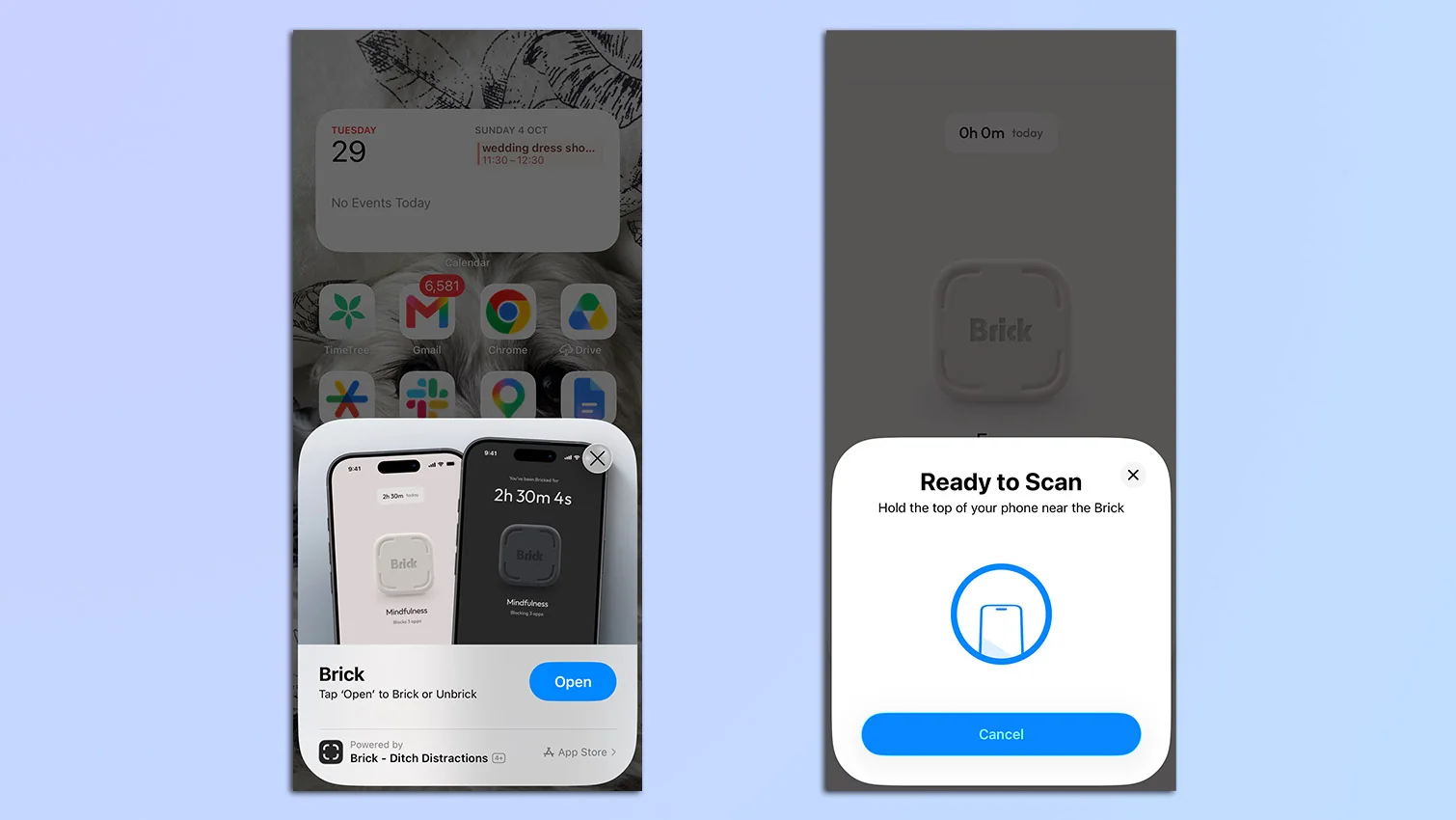
Setup involves creating custom modes for focus or scrolling prevention. Users can target specific applications as well as browser-based iterations of services like Instagram.
A strict mode toggle prevents users from bypassing sessions by deleting the companion app. Additional controls block app installs, in-app purchases, and mature content, allowing the tool to double as a parental control aid.
Real-World Experience
Testing the device challenged initial assumptions that built-in software screen-time limiters would be sufficient against habitual checking.
Early blocking sessions highlight subconscious dependencies, revealing frequent automated impulses to open apps during small pockets of downtime like waiting in line or cooking.
Confronting these behavioral patterns exposes how deeply ingrained smartphone reliance has become in daily routines.
Past the initial adjustment period, measurable time recovery becomes apparent. Unrestricted days showed nearly seven hours of social media usage, while active Brick days reduced that figure to just over an hour.
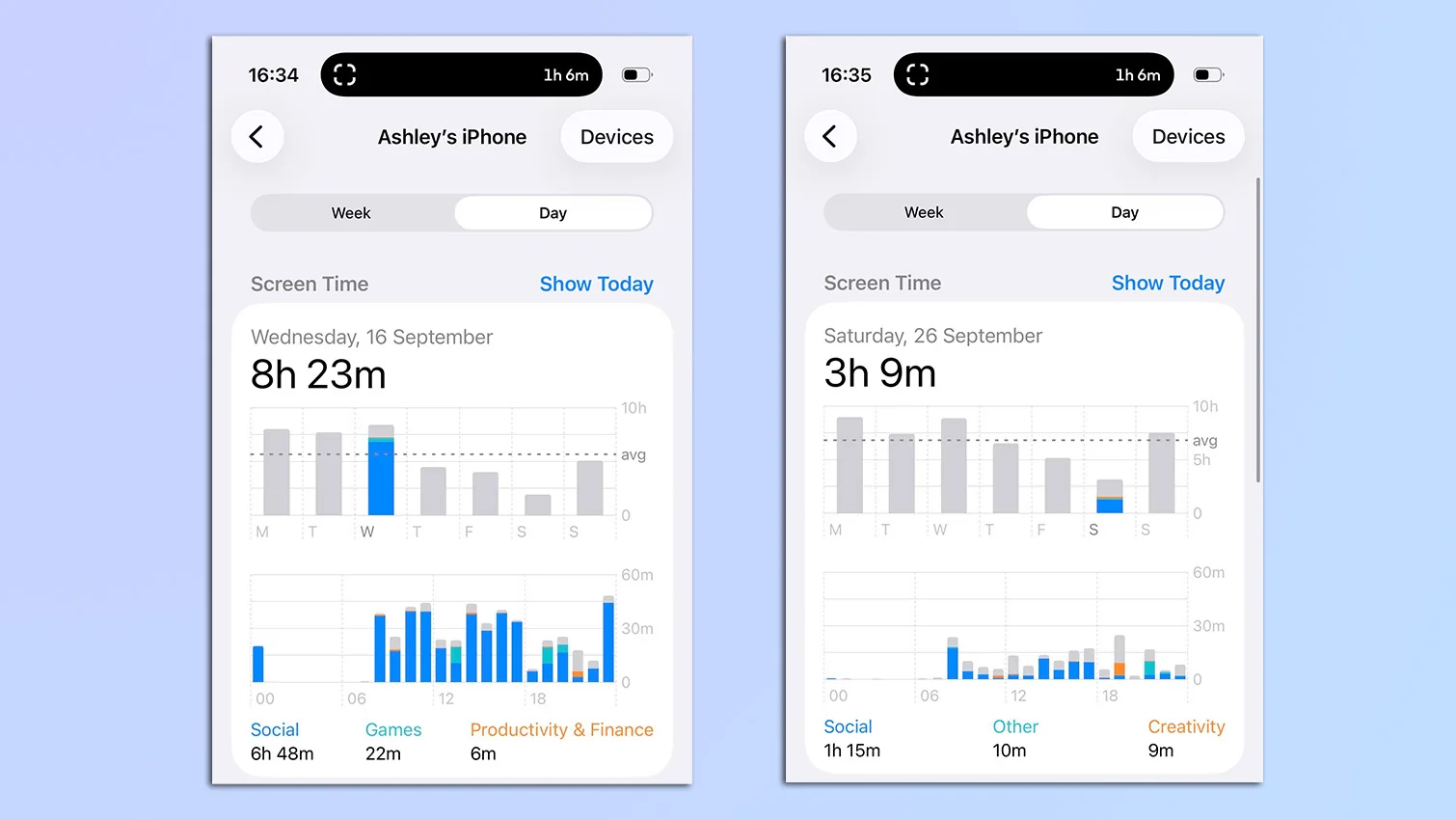
The hardware acts as a psychological anchor rather than a permanent lock. Refusing to tap the device to break streaks feeds a personal competitive drive to maintain extended focus periods.
By taking advantage of natural human laziness—such as refusing to walk downstairs at bedtime—the device successfully interrupts late-night and early-morning scrolling loops.
Physical pickups drop significantly because silencing app notifications stops the trigger chain that leads to mindless browsing.
Ultimately, reclaiming evening hours for reading and self-care demonstrates the tangible lifestyle benefits of the hardware.
Brick review: Verdict
The Brick proves to be a valuable tool for households dealing with modern device dependency. App blocking has become a nearly essential countermeasure, and this hardware provides an intuitive execution.
With customizable strict modes, a minimal magnetic build, and unlimited device pairing, it successfully cuts down mindless screen time.
While success ultimately depends on personal discipline and distance management, the system offers a clever push toward healthier digital habits.