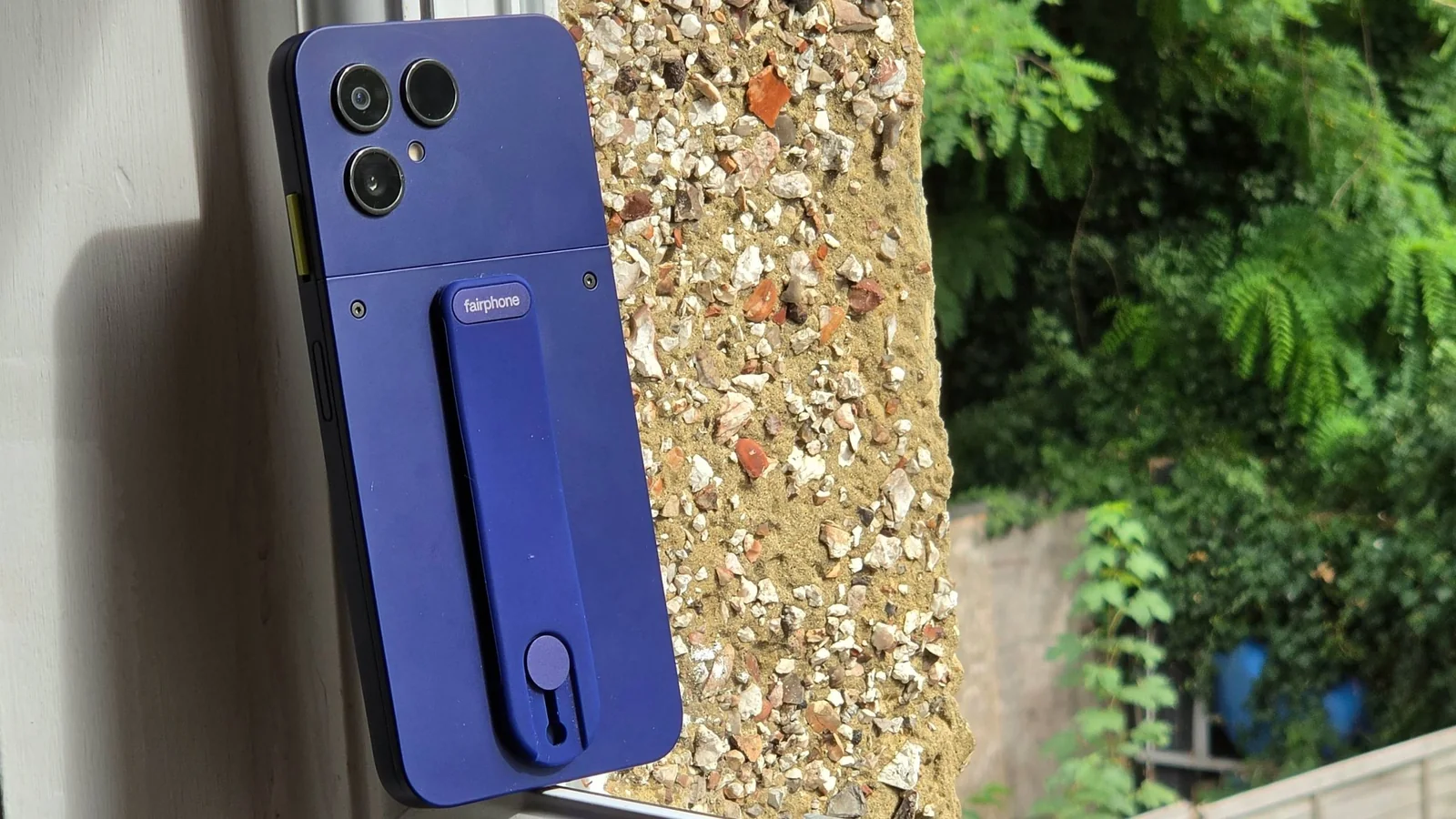
Fairphone 6 Plus: Two-minute review
To many in Europe, Fairphone is seen as a niche yet reliable Android manufacturer that specializes in one thing: fair phones. Its devices are made from eco-friendly materials, in factories that respect their workers, and are designed to last ages so they don't become e-waste.
But the new Fairphone 6 Plus is not just for European buyers. It's the first of the Dutch brand's smartphones to be released in the US, giving a whole new audience of green-minded consumers the chance to buy a phone that aligns with their ethical beliefs.
For green-minded buyers, the Fairphone 6 successor is an easy recommendation given the lack of direct competition in the environmentally friendly phone space. There are other practical reasons to pick up the handset, too.
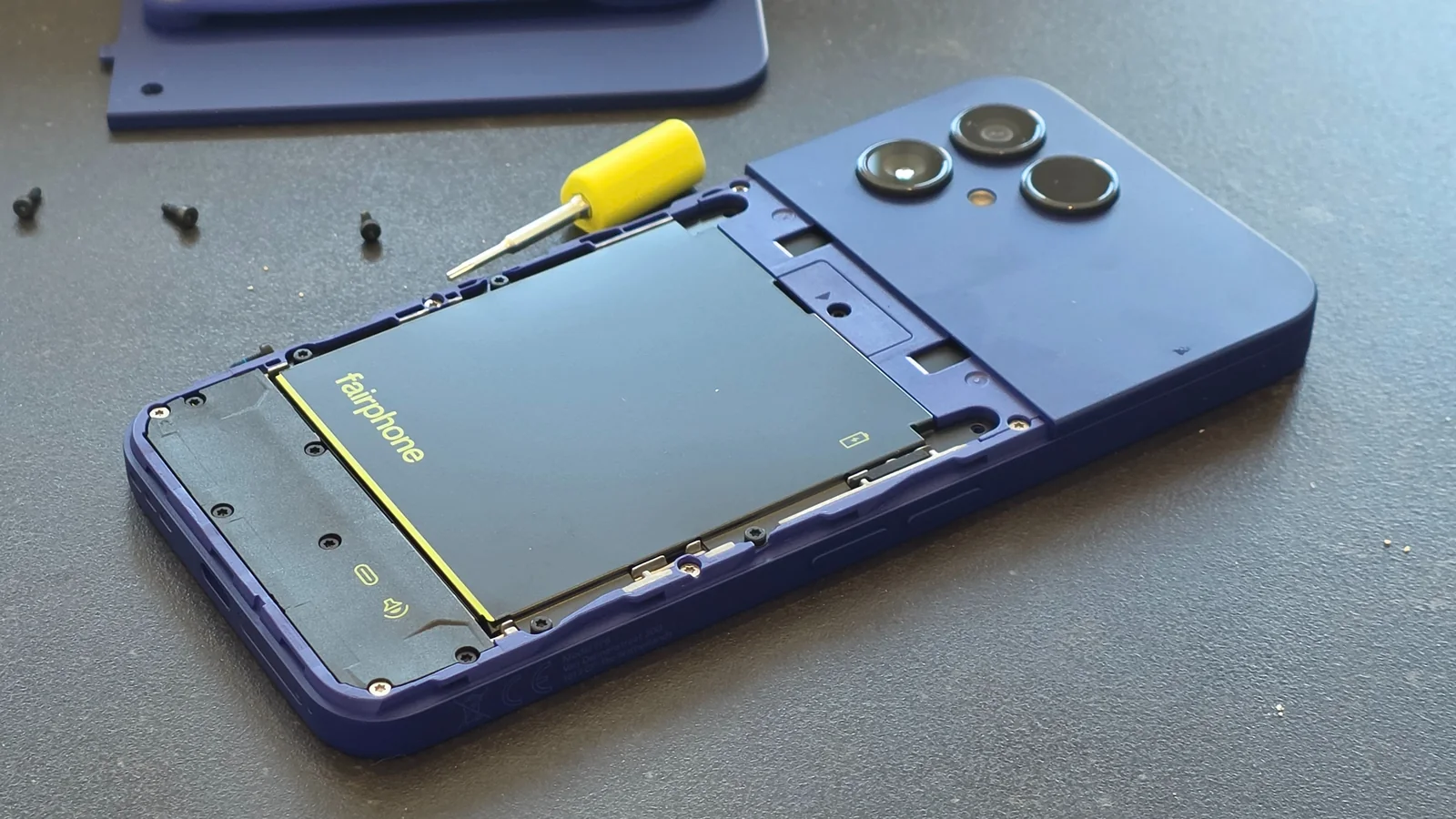
For starters, it boasts impressive durability credentials, with a military-grade chassis and plastic body that shrugs off drops and bumps with ease. If something does break, the phone is easy to open up at home, allowing users to replace parts instead of discarding the device.
Fairphone's core philosophy centers on maximizing device longevity to keep hardware out of landfills, backed by a commitment to seven years of software updates.
However, the brand's phones are rarely competitive in terms of raw value for money. Buyers pay a premium for longevity and ethical practices rather than cutting-edge hardware features.
Major competitors offer better-performing hardware, superior cameras, and slimmer designs for the same price point. The Fairphone 6 Plus lags behind standard flagship rivals across raw performance metrics and photographic capabilities.
A price hike for the Plus model over its non-Plus predecessor makes this hardware trade-off harder to justify, particularly given the minimal specification upgrades.
Despite these drawbacks, the source review notes that for devoted green consumers who do not require flagship-grade processing power, the Fairphone 6 Plus remains a compelling, genuinely sustainable choice.
The handset is ultimately best suited for buyers with room in their budget who intend to keep their devices for an extended period, or those who find it discounted during sales.
Fairphone 6 Plus review: price and availability
Released in August 2026 across Europe and the United States.
Retails for $649.99 / £569 (approximately AU$1,100).
Represents a notable price increase over the previous generation.
The Fairphone 6 Plus was revealed in mid-August 2026, roughly a year after the unveiling of the standard model. Fairphone typically alternates between main-series releases and interim Plus variants.
Priced at $649.99 / £569, the Plus model commands a significant premium over the standard Fairphone 6, which remains available as a more cost-effective alternative.
Given the sparse internal upgrades, the higher price point impacts the overall value proposition.
Significantly, this release marks the first time a Fairphone mobile has been officially sold in the US market.
Replacement parts and repair components can be purchased directly through the manufacturer's website.
An alternative de-Googled configuration running /e/OS is also available through Murena for privacy-focused users, priced at $699.99 / £599.
Fairphone 6 Plus review: design
Bulky handset footprint that can feel substantial in the hand.
Features physical utility controls, a side-mounted fingerprint scanner, and military-grade durability.
Extremely repairable and modular construction.
The device measures 156.5 x 73.3 x 9.6mm and weighs 193g, making it notably thicker than contemporary ultra-slim smartphones.
The chunky build accommodates enhanced repairability and delivers MIL-STD-810H military-grade drop resistance alongside IP55 dust and water jet protection.
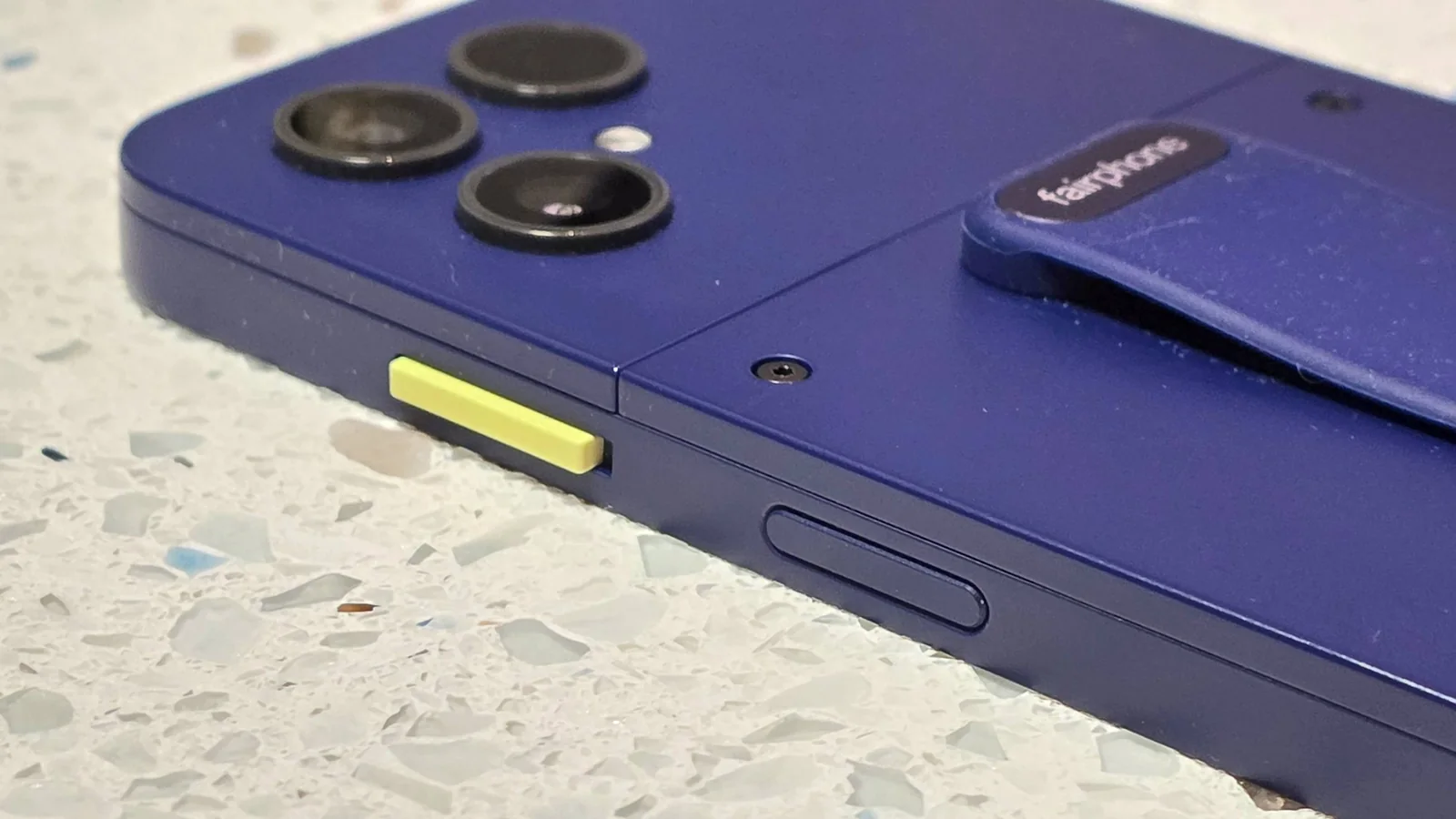
A power button with an integrated fingerprint scanner sits on the right edge, delivering fast and reliable biometric authentication during testing.
A physical toggle switch on the side can be mapped to custom shortcuts like Airplane mode or a dedicated torch function, though its software customization options remain somewhat limited.
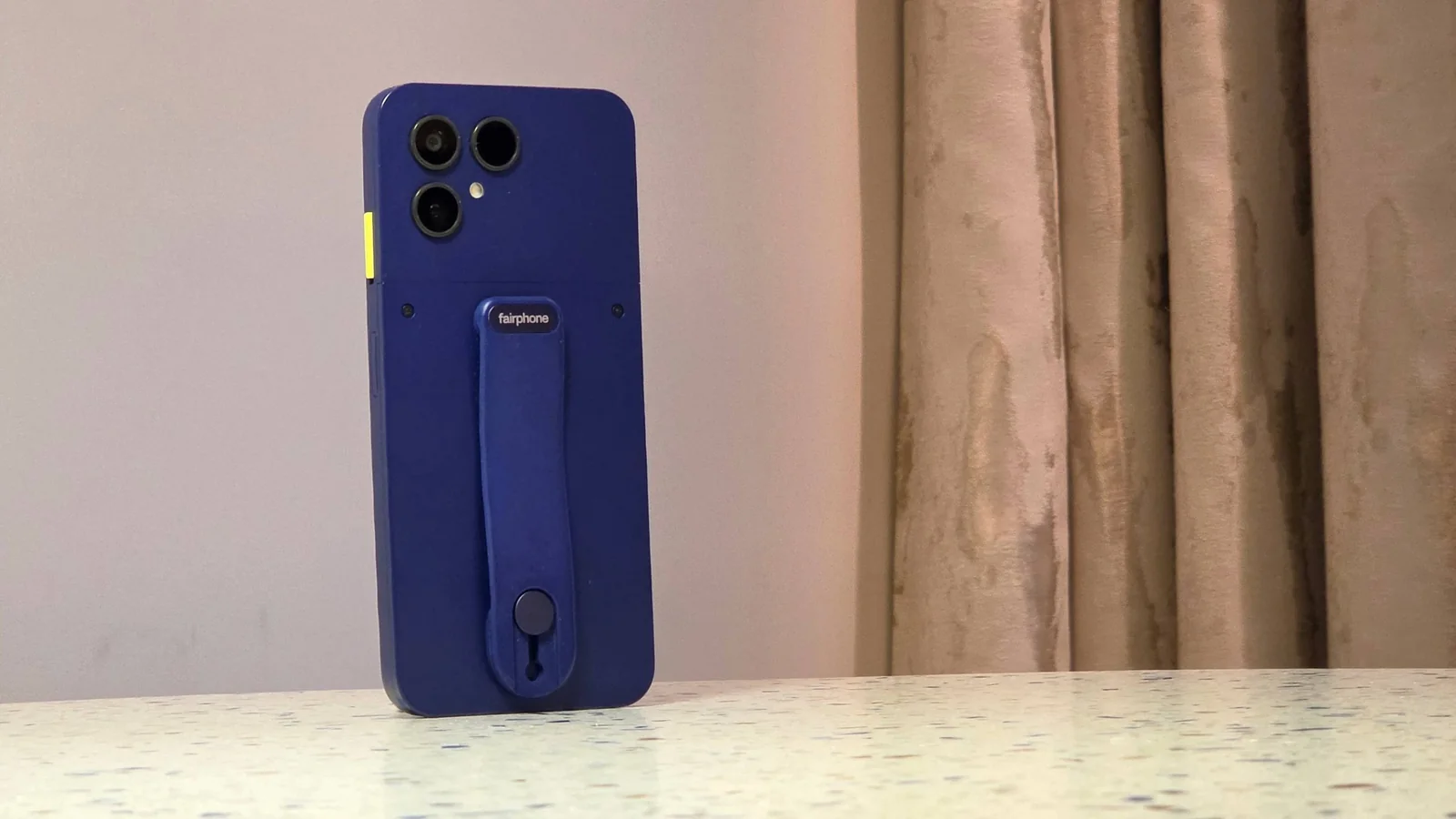
Color options include blue, green, and black.
The modular architecture allows users to easily swap out damaged components such as screens, camera lenses, or degraded batteries using a standard screwdriver.
Modularity also supports functional snap-on accessories, including card holders or finger loops.
Additional custom accessories are available via the companion mobile app.
Fairphone 6 Plus review: display
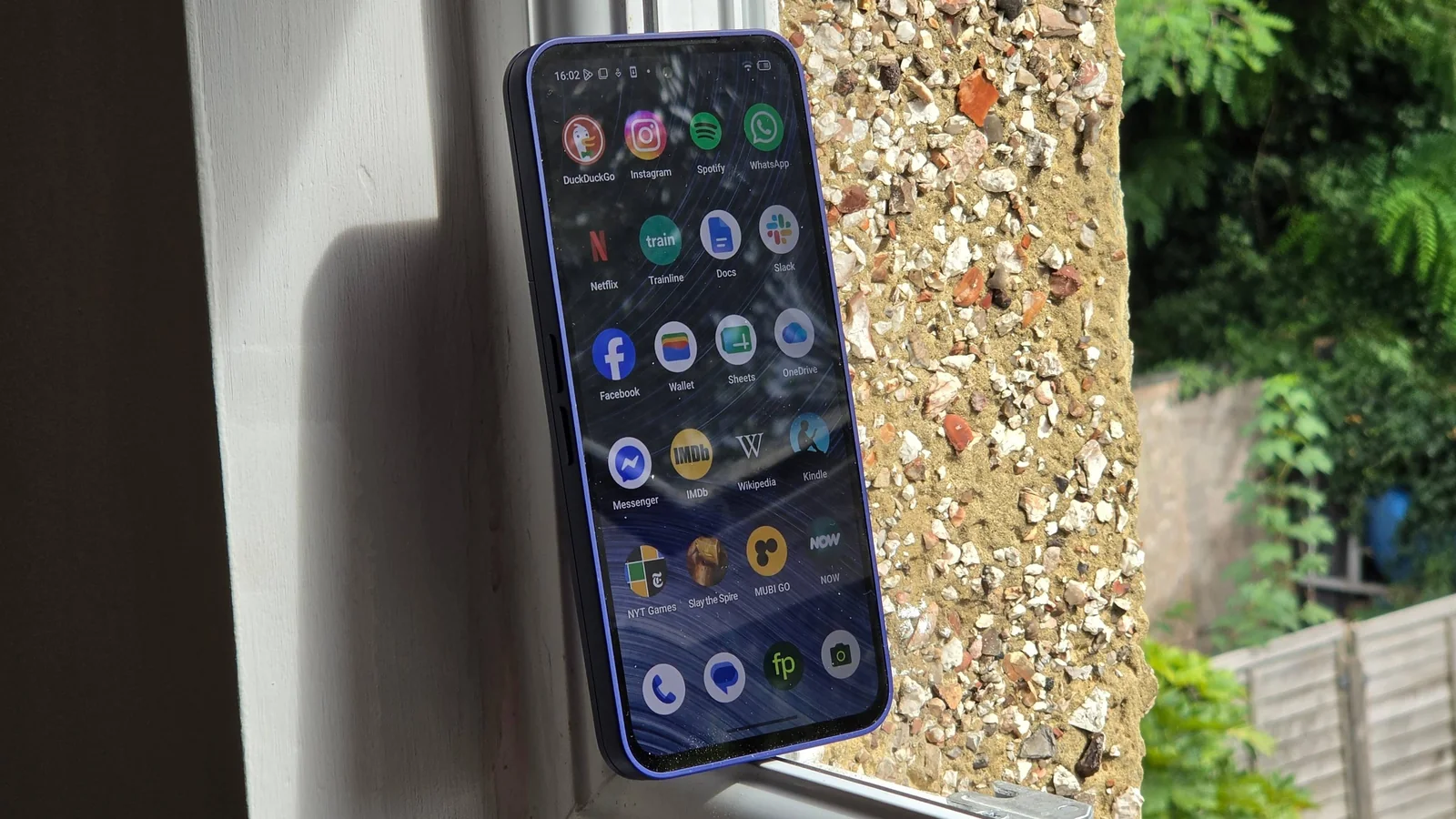
6.31-inch OLED panel with a 1,116 x 2,484 resolution.
Supports a 120Hz refresh rate and reaches up to 1,400 nits of peak brightness.
A competent panel that meets daily requirements without pushing display boundaries.
The display is slightly more compact than many competing Android devices.
The screen features a top-center punch-hole cutout for the selfie camera alongside an OLED matrix shared with the standard model.
The refresh rate defaults to 90Hz out of the box, but can be manually adjusted to 120Hz in settings.
While not industry-leading, the display delivers ample brightness and responsive touch performance for standard everyday tasks.
The prominent top speaker grille can collect pocket lint over time.
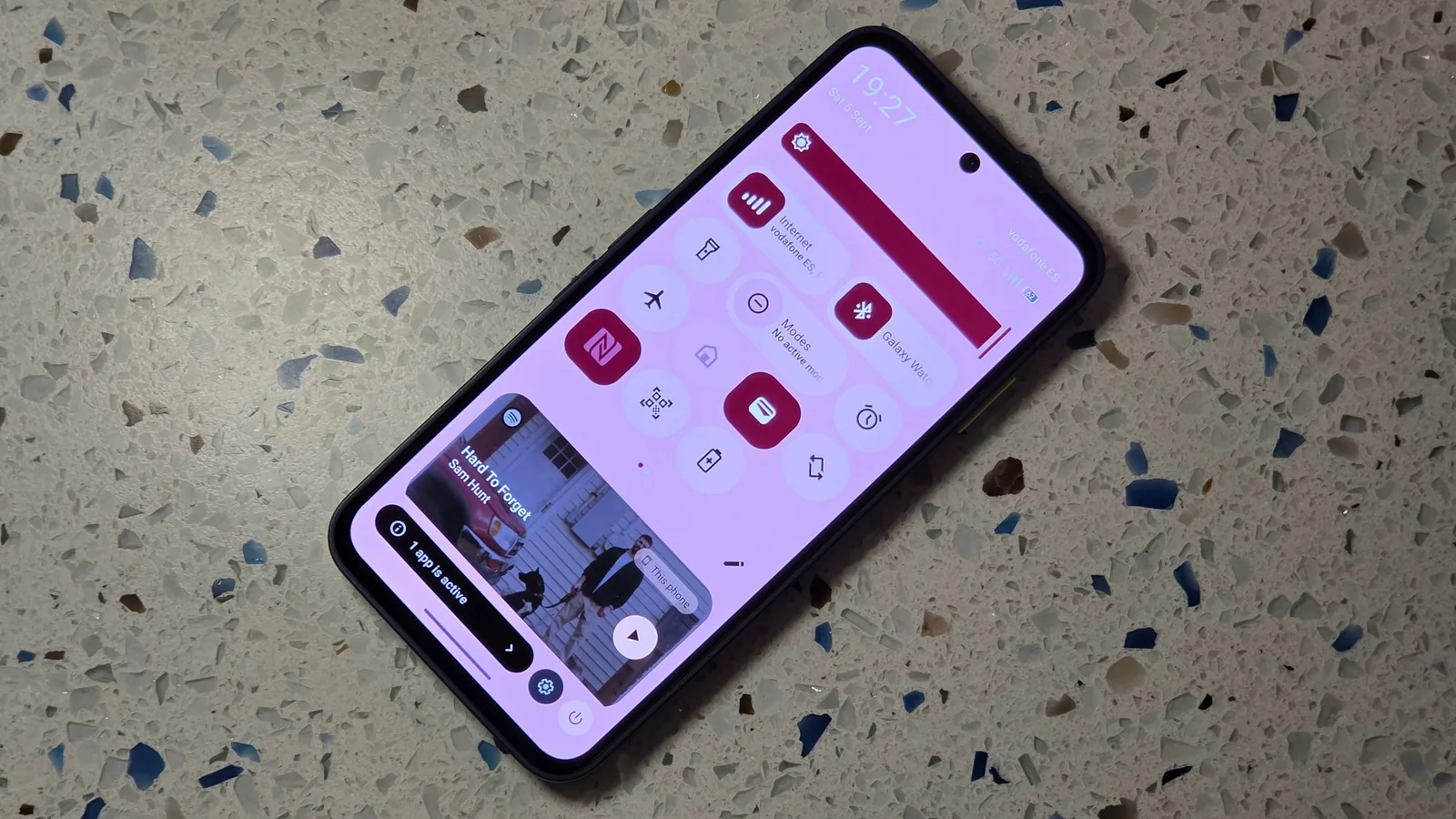
Fairphone 6 Plus review: software
Runs stock Android 16 (with an alternative /e/OS configuration available).
Comes completely free of bloatware or unnecessary third-party applications.
Backed by an exceptional seven-year OS update commitment.
The software environment provides a pristine stock Google experience without extraneous pre-installed apps.
While clean, the interface lacks the deep customizability found on other manufacturer skins, though useful accessibility options are included.
The device omits certain standard ecosystem features like Circle to Search, but handles core Android functions smoothly.
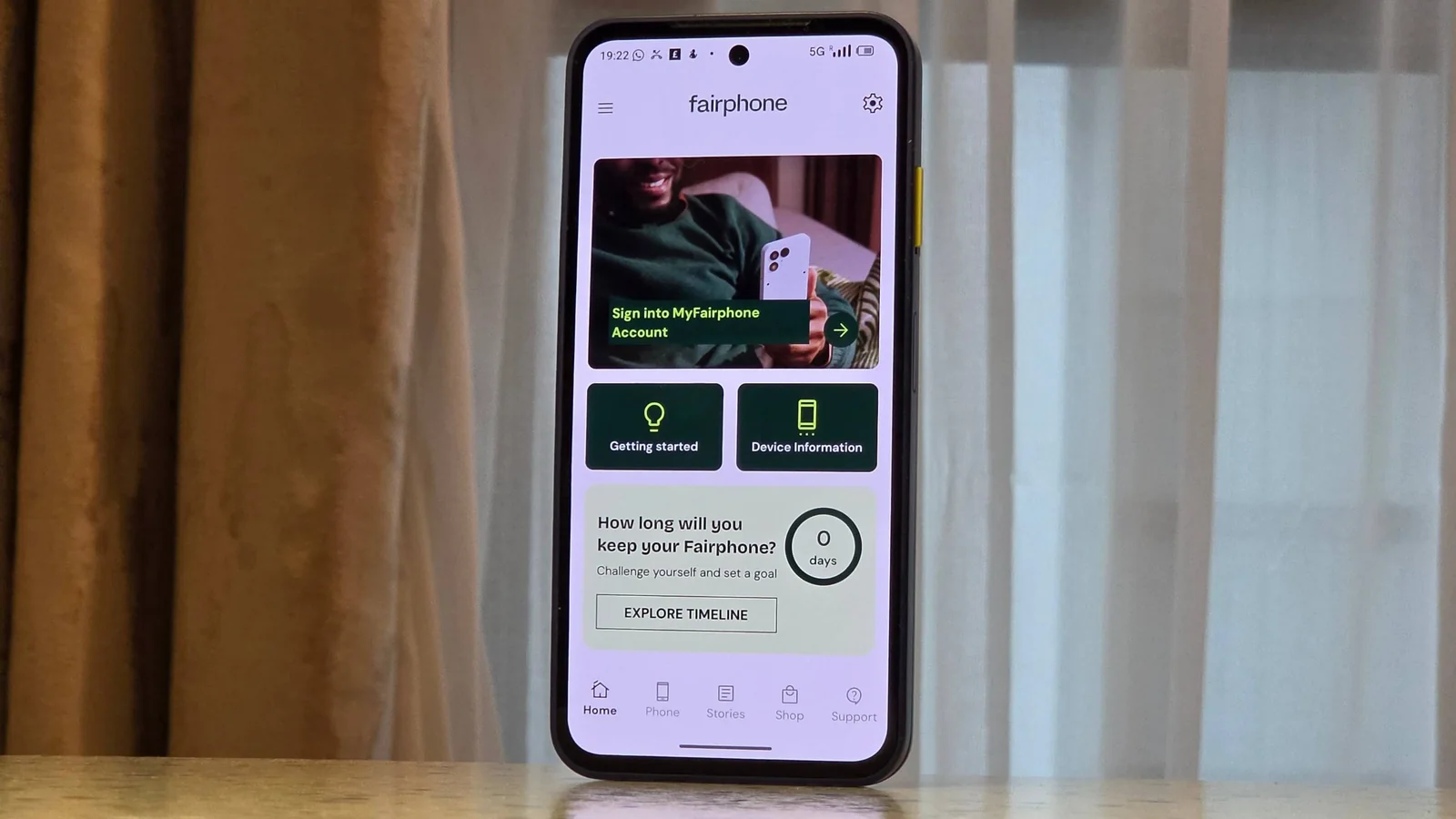
The pre-installed My Fairphone application allows users to monitor hardware health and order replacement parts.
Fairphone's pledge of seven Android system updates represents one of the strongest longevity guarantees in the mobile industry.
Privacy-focused buyers can opt for the /e/OS variant, though standard Android remains the primary ecosystem.
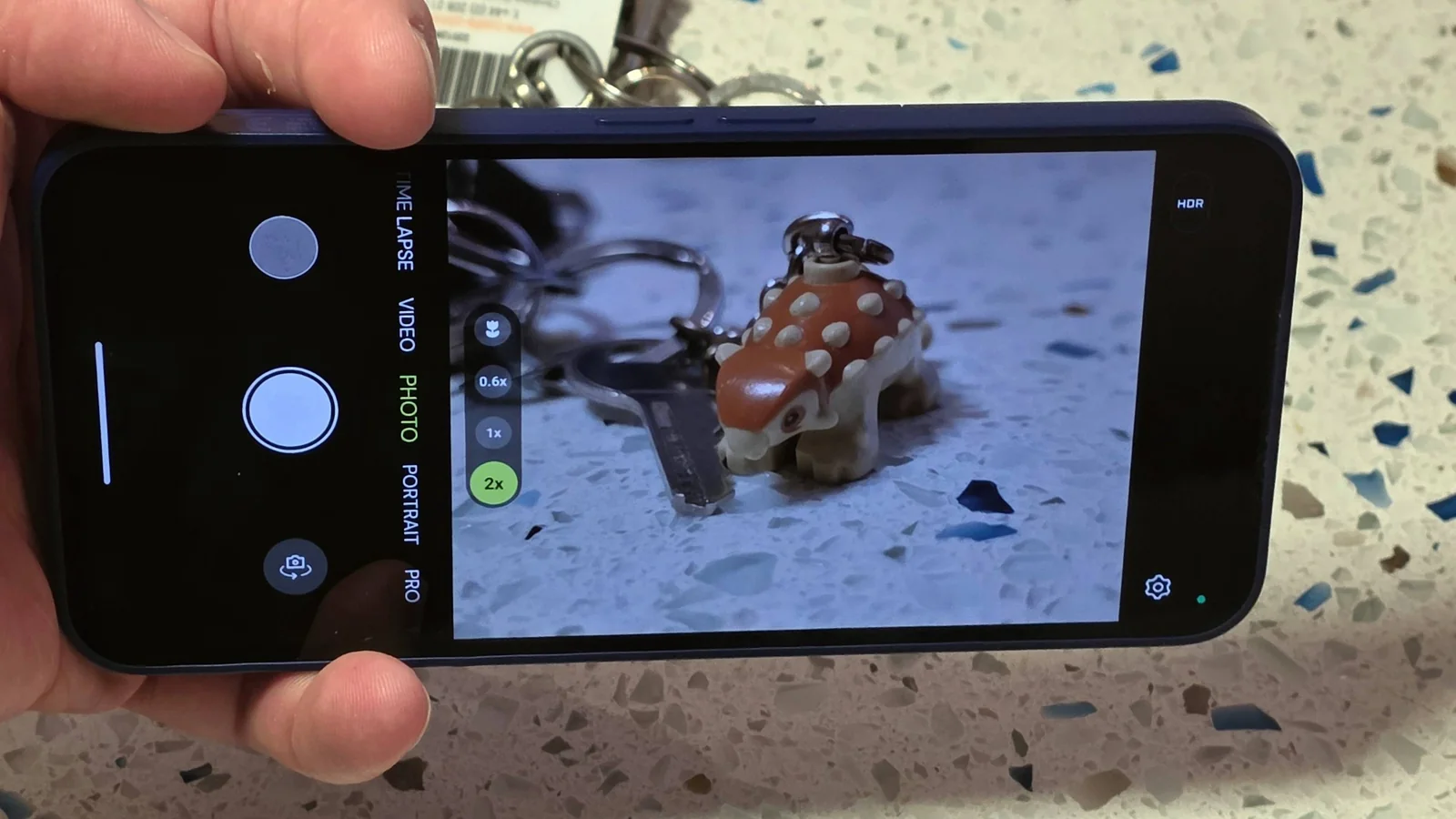
Fairphone 6 Plus review: cameras
Equipped with a 50MP main sensor, 13MP ultra-wide lens, and a 32MP front-facing camera.
Provides standard shooting modes without specialized extras.
Image optimization processing is exceptionally subtle.
The camera hardware remains largely unchanged from the previous generation.
The camera system features a 50MP main and 13MP ultra-wide rear pairing alongside a 32MP front shooter, with a slightly adjusted main aperture.
While adequate for basic casual snapshots and selfies, the camera system falls short of high-end photography standards.
Images captured in well-lit conditions perform reasonably well, but minimal software saturation and contrast enhancement mean photos can look flat compared to rival devices.
Standard modes include Portrait, Night mode, and a manual Pro mode.
The lack of a dedicated optical zoom lens limits magnification quality beyond 2x digital zoom.
Fairphone 6 Plus review: performance and audio
Powered by a Snapdragon 7s Gen 4 chipset, paired with 12GB of RAM and 256GB of internal storage.
Delivers capable mid-range performance, though initial system response can feel sluggish.
Includes Bluetooth support but omits a traditional 3.5mm headphone jack.
The upgraded RAM and Snapdragon 7-series processor provide a noticeable performance bump over the standard model.
Most users will find hardware execution smooth for daily tasks, though intensive 3D gaming can occasionally challenge the processor.
Benchmark testing returns mid-range multi-core results comparable to contemporary competitor devices.
Graphics testing indicates performance lags behind traditional flagships, though it outpaces the baseline Fairphone 6.
Initial setup processing may require an extra settling-in period before achieving optimal responsiveness.
Stereo speakers are included, and Bluetooth audio benefits from aptX Lossless support.
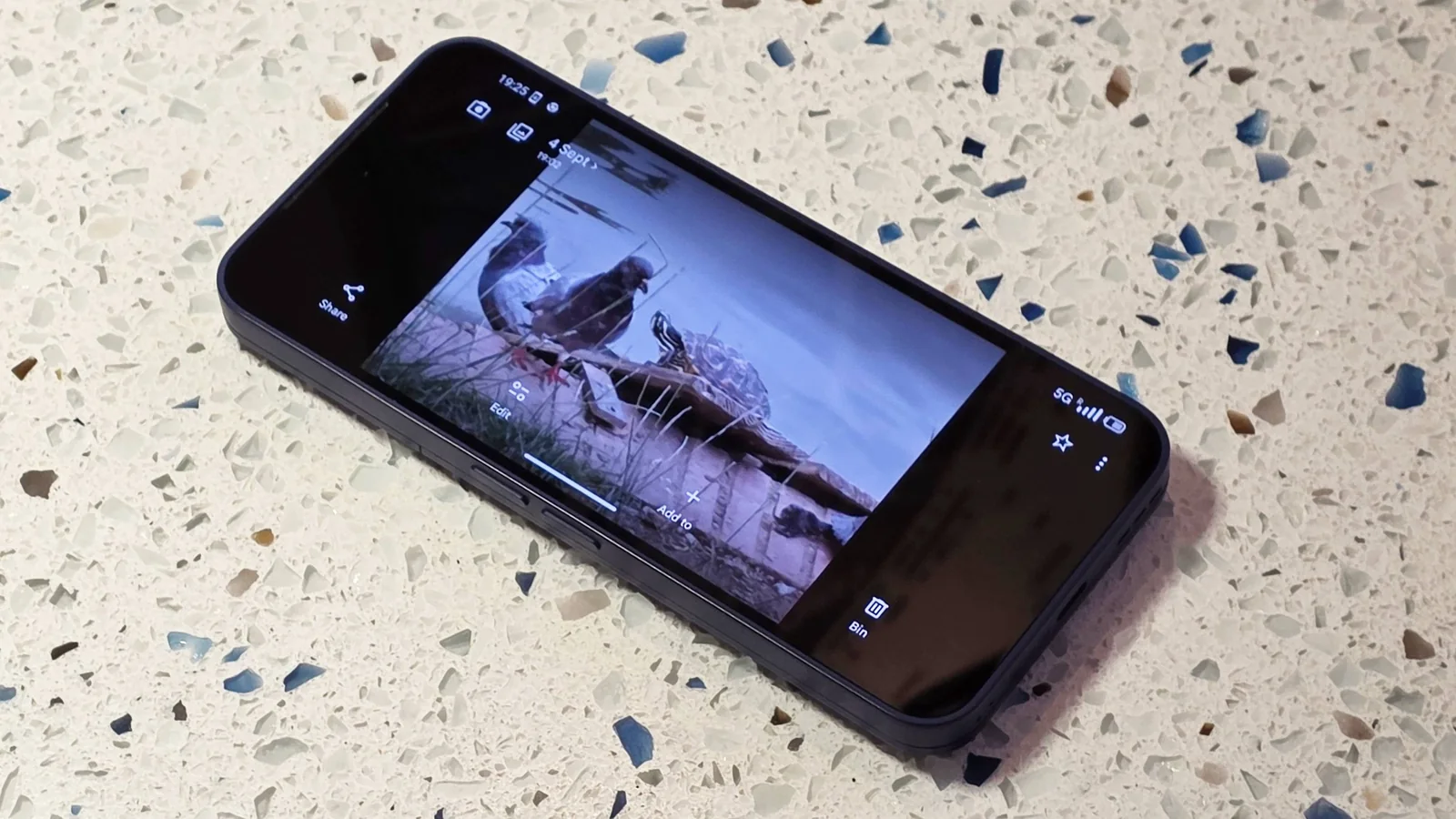
Fairphone 6 Plus review: battery life
Relatively modest 4,415mAh battery capacity.
Delivers roughly one full day of standard mixed usage.
Supports 30W wired charging without wireless power transfer capabilities.
The battery capacity sits below the typical 5,000mAh standard found in many modern competitors.
Hardware upgrades draw additional power, resulting in a battery life span that comfortably clears a standard day but rarely exceeds it.
Wired charging maxes out at 30W, requiring over an hour for a complete replenishment.
Fairphone 6 Plus review: value
Hardware specifications command a higher price than equivalently equipped rivals, offsetting cost against environmental longevity.
Extended device lifespans help justify the upfront investment for eco-conscious purchasers.
The price increase over the standard model introduces friction for budget-conscious consumers.
Buy it if...
You care about environmental sustainability and require an ethical handset option.
You want a modular, repairable device built to last for multiple years of continuous ownership.
You prefer physical convenience features like side-mounted fingerprint scanners.
Don't buy it if...
You require a high-performance gaming phone or an advanced camera system.
You prefer a more cost-effective alternative like the standard Fairphone 6.
Fairphone 6 Plus review: Also consider
Several alternative devices offer varying degrees of sustainability or modularity.
The standard Fairphone 6 provides similar eco credentials at a more affordable price point.
The HMD Fusion offers a repairable modular design at a lower cost, though with more modest specifications.
Apple iPhones incorporate high percentages of recycled materials and sustainable packaging.