Pre-order Insights
Pre-orders for the iPhone Duo officially kick off this Wednesday, giving eager foldable enthusiasts the chance to secure their device ahead of the October 23 release date. While many will already be taking steps to get that pre-order on day one and avoid lengthy delays, we should all be aware there are things we still don't know about Apple's first foldable phone.
These aren't major surprises like hidden features or hardware specs, as Apple has been very open so far. Instead, they are the kind of insights you can only learn from actually using a phone for extended periods. Some of these unknowns might influence whether you eagerly order an iPhone Duo or decide to wait for a second or third iteration of the phone.
Here are seven things we still don't really know about the iPhone Duo.
Battery Life Questions
Phone companies love to brag about the longevity of their batteries and how long a phone will last on a single charge. Apple is no exception to this.
The iPhone Duo is rated for 44 hours of video playback from the external display and 31 hours using the larger folding screen. But how will that translate into real-world usage? It's unclear, and since we haven't been able to test the iPhone Duo's battery for ourselves yet, we can't say how the phone compares to other iPhones or foldables.
Apple states the iPhone 18 Pro offers up to 36 hours of video playback, with the Pro Max reaching 45 hours. In independent web surfing tests over 5G, the iPhone 18 Pro endured for 16 hours and 17 minutes, and the Pro Max achieved 18 hours 27 minutes.
That gives us a rough idea of how the iPhone Duo should perform in battery tests, especially considering much of the internal hardware is the same, including the energy-efficient A20 Pro and C2 modem. We hope the Duo offers similar results, though we won't know for sure until proper testing.
Screen Quality and Crease
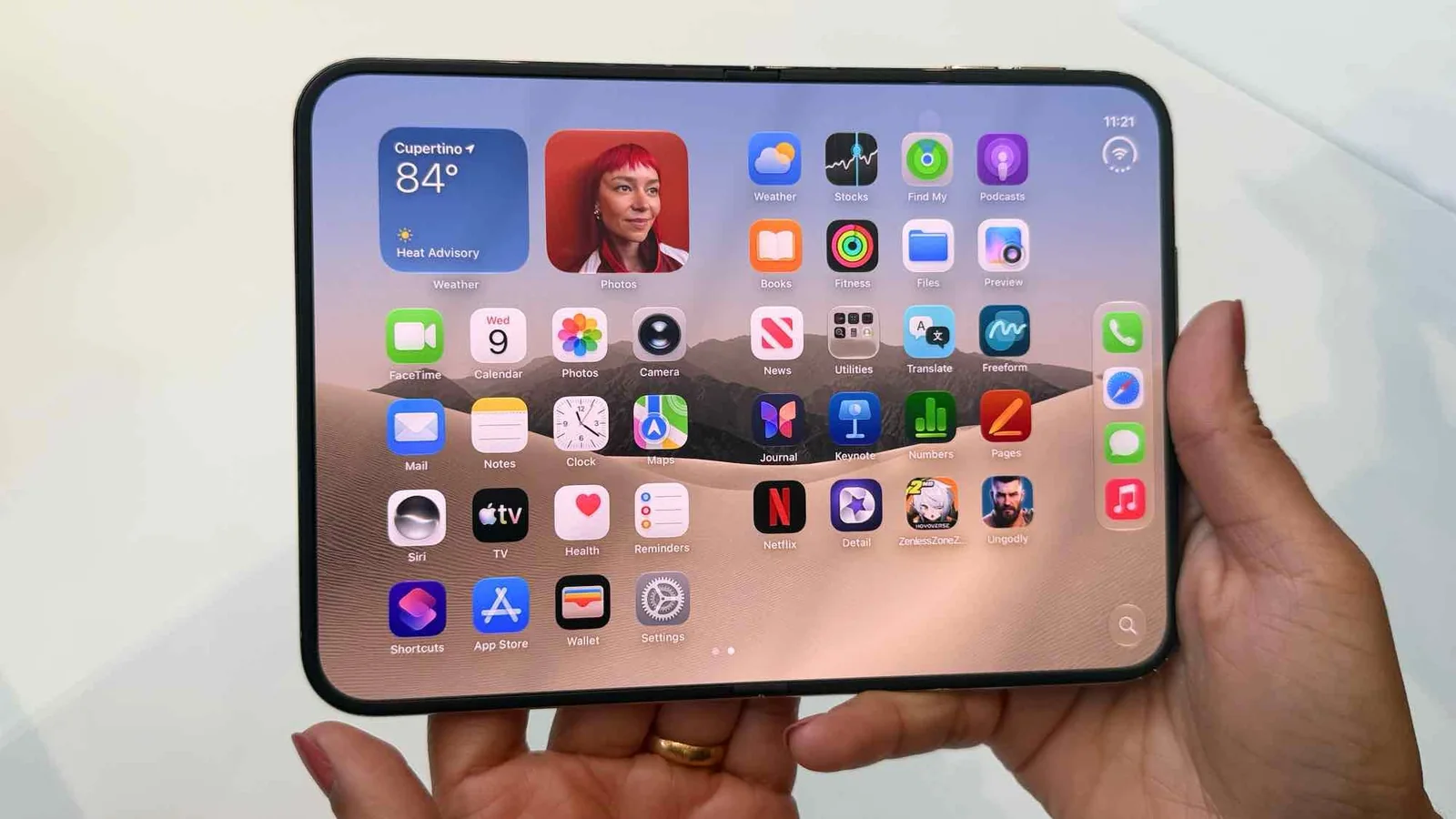
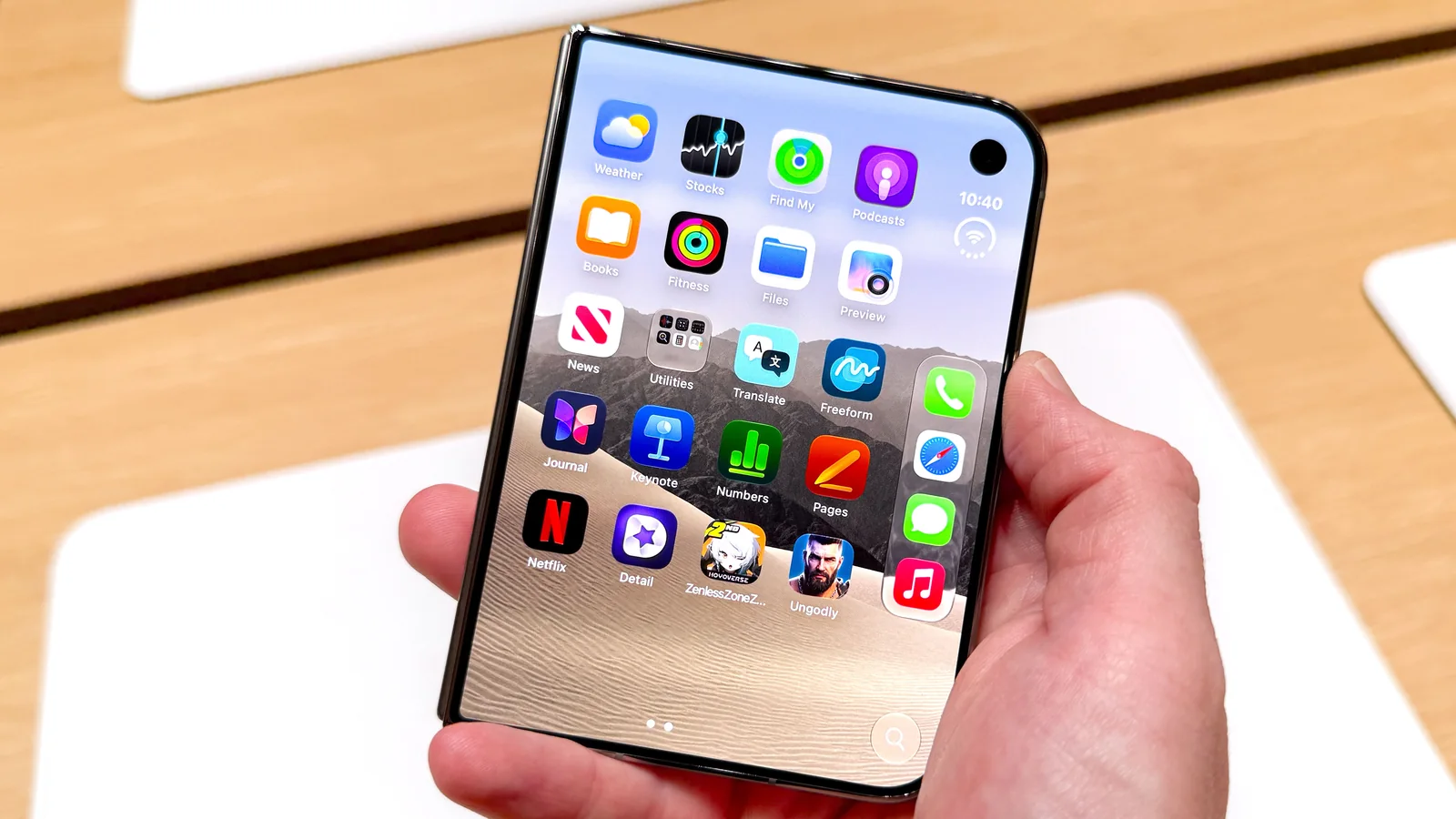
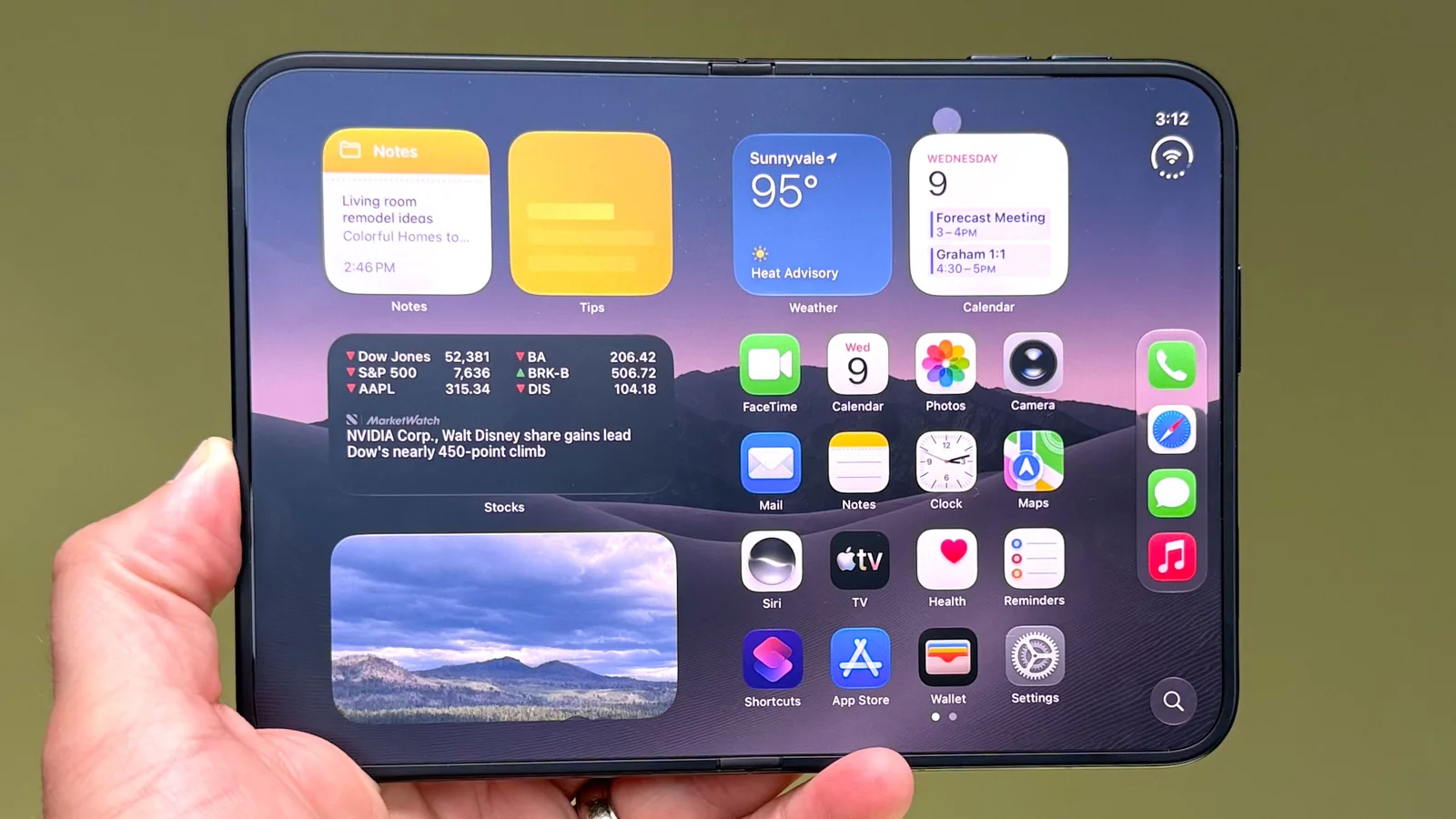
A lot of emphasis has been put on the iPhone Duo's foldable screen, and not just because it folds. Apple has opted for a matte "nano-texture" display, rather than the glossy glass panels found on most premium phones.
While the idea of this new display type is gaining acceptance, questions remain about its performance in different conditions. We are especially curious to see how the phone handles bright environments, particularly compared to the anti-reflective coating on devices like the Galaxy Z Fold 8 and Z Fold 8 Ultra.
There's also the lingering question of how the nano-texture coating will affect colors and image quality.
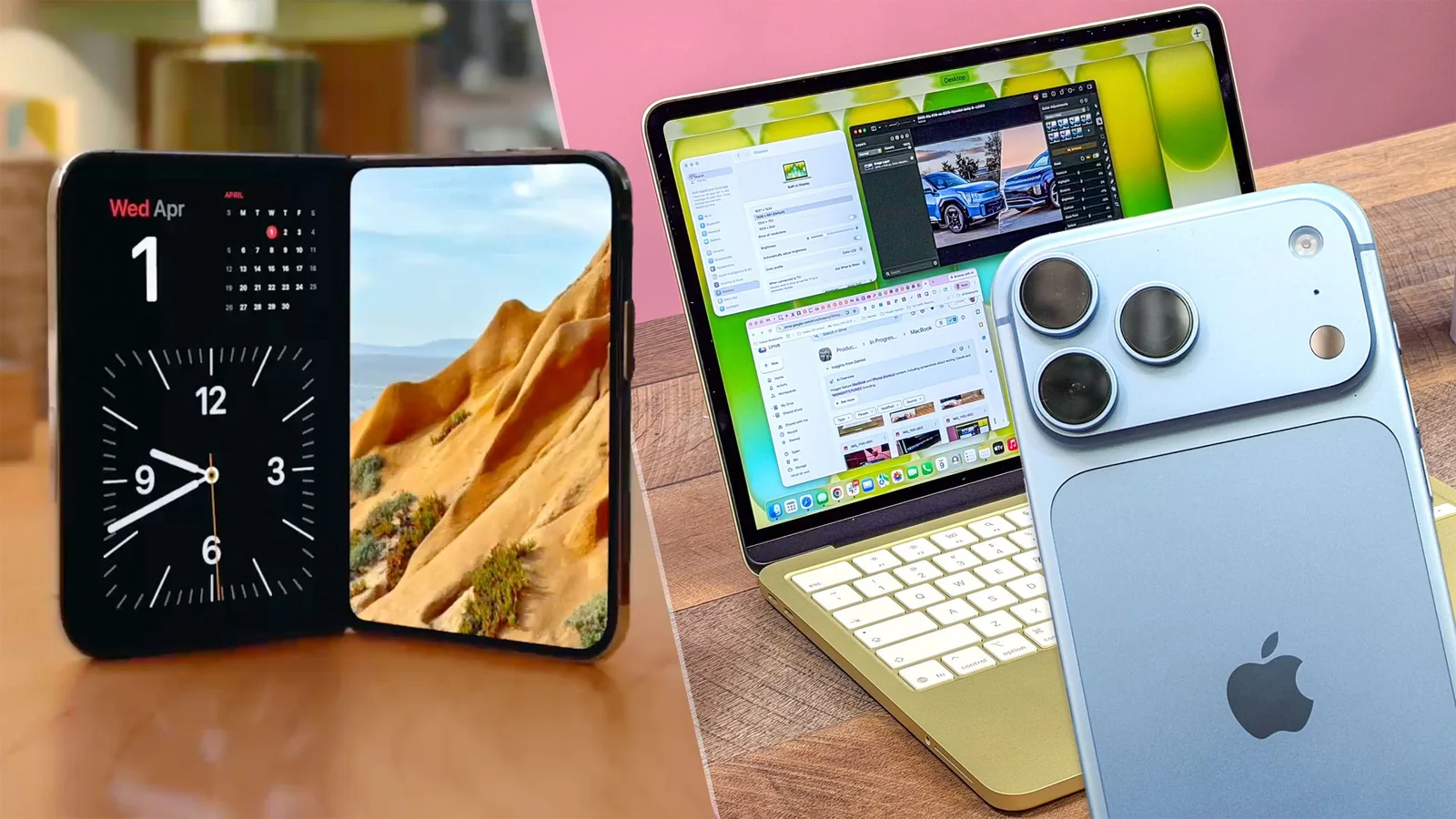
Finally, Apple has made a very big deal about the Duo having no visible display crease, but will it stay that way forever? As seen with other foldables, the display crease can appear over time, even if absent at launch. It will be interesting to observe Duo screens three to six months from now.
Accessory Compatibility
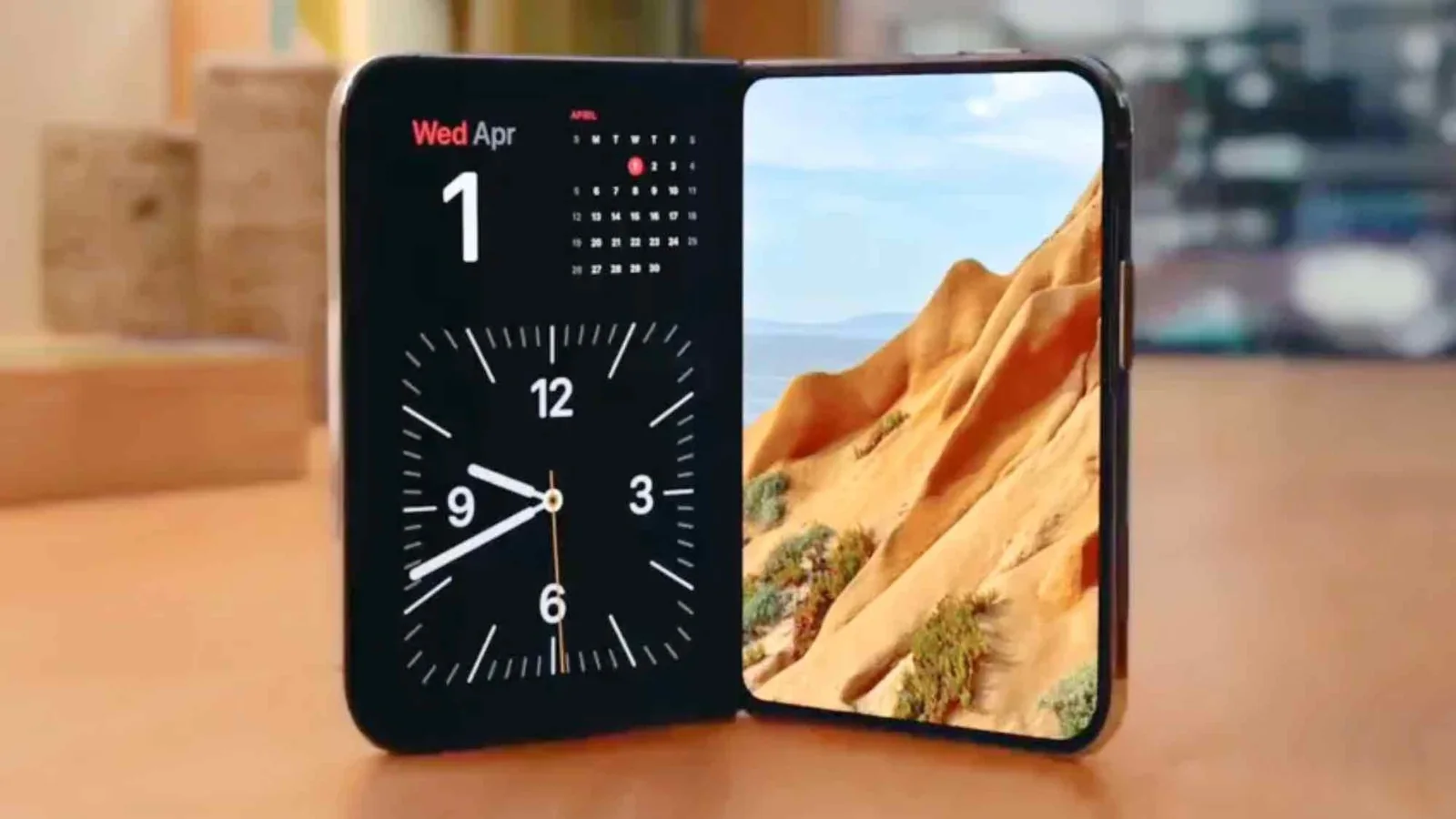
We know that the iPhone Duo supports MagSafe, but the phone's unique shape means that many existing MagSafe accessories aren't going to fit. Examples have already surfaced online, including images suggesting the phone is too short to neatly attach a MagSafe card wallet.
Since credit card sizes are fixed, this raises concerns that other MagSafe accessories could be similarly affected. Chargers should be fine, but items like batteries and stands may appear awkward.
The shape also means that wraparound accessories, such as USB-C game controllers, will have difficulty connecting to the phone. While this is a common challenge for all foldables, it implies that users with existing controllers might need to invest in a wireless option.
Camera System Doubts
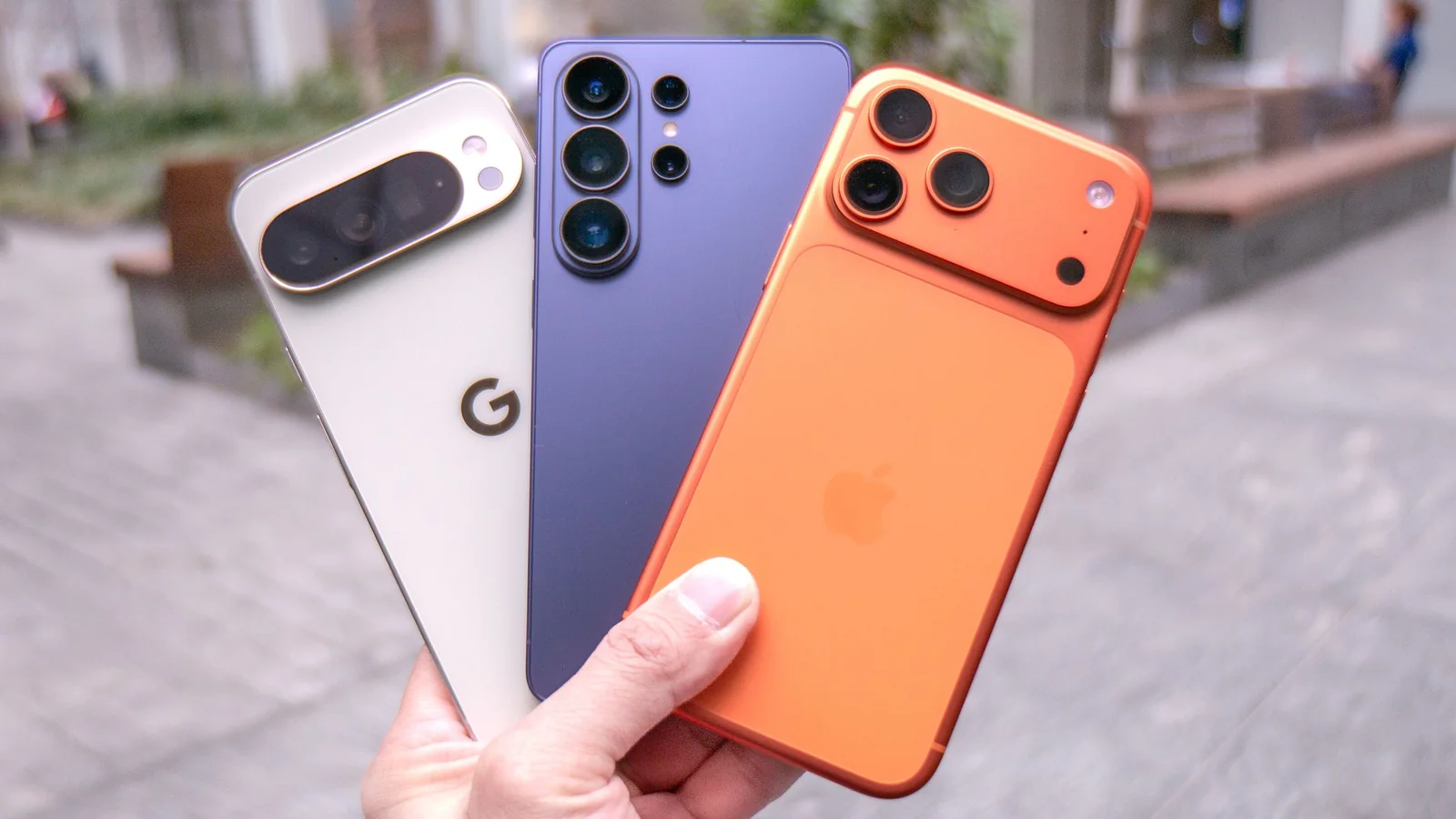
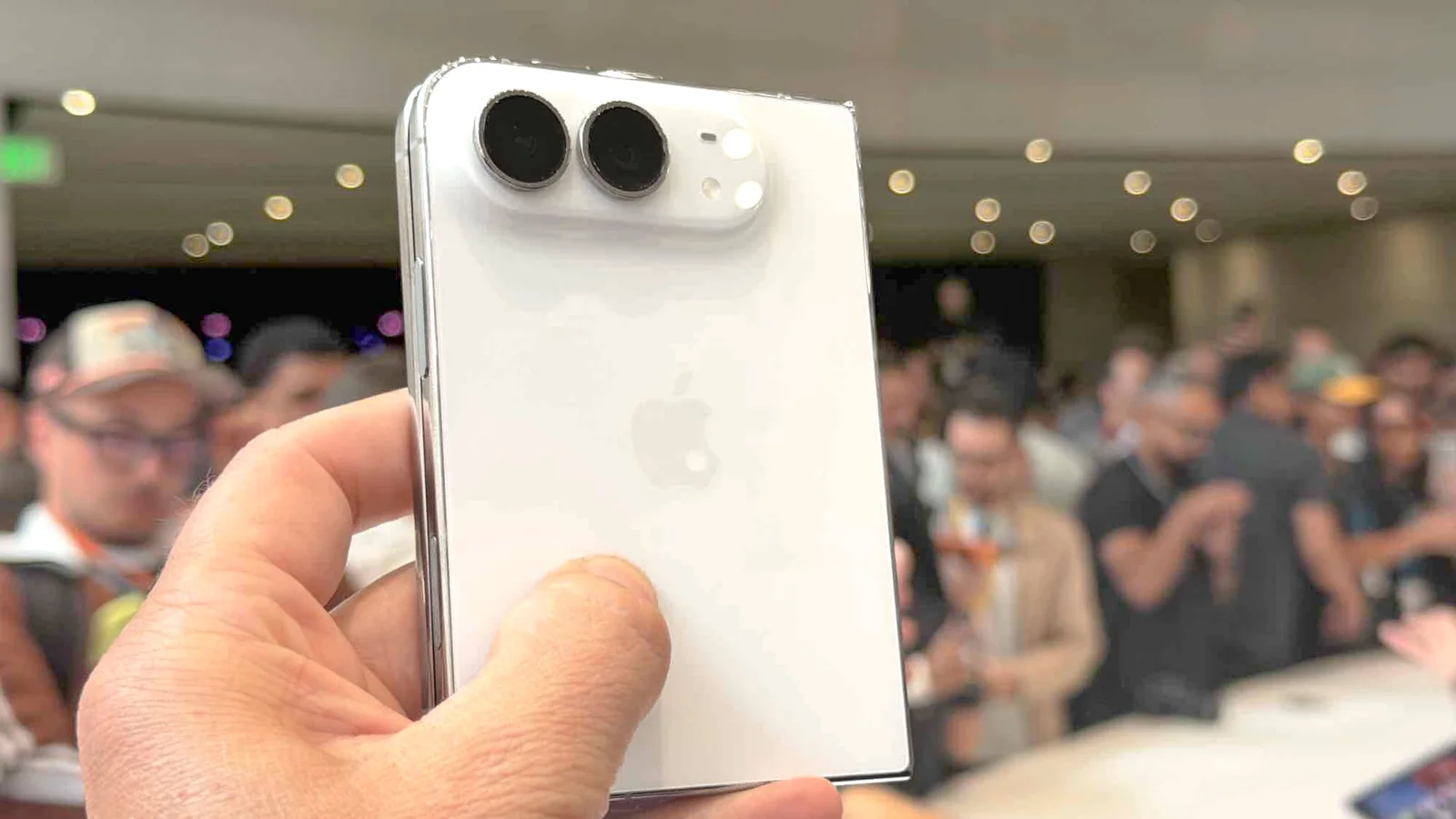
Apple has earned a lot of goodwill for its cameras, consistently offering some of the best camera phones for years. However, like the iPhone Air before it, there are worries that the iPhone Duo may not live up to the quality currently provided by the iPhone 18 Pro and Pro Max.
Most concerning is the absence of a telephoto lens, with Apple opting for a digital-only "optical quality" feature to simulate zoomed-in shots instead.
The camera hardware appears similar on paper, even if the foldable lacks the new variable aperture technology, suggesting the iPhone Duo will perform well with its existing lenses. Modern smartphone photography relies as much on software as hardware, as demonstrated by the iPhone Air, which took great pictures despite having only a single lens.
However, as seen with the Galaxy Z Fold 8, the loss of a third lens can have an impact, and the full situation won't be known until after the iPhone Duo's release.
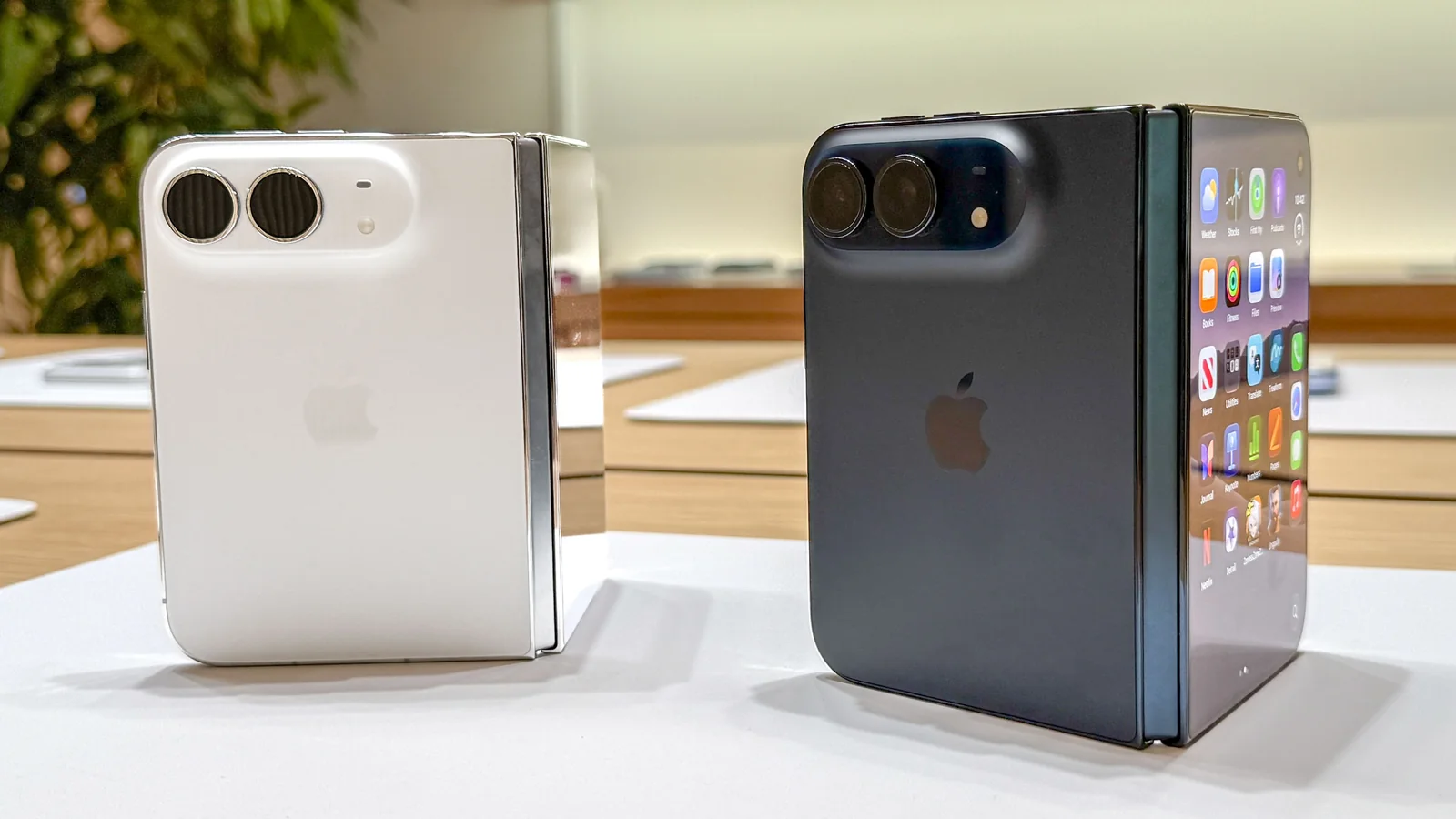
Is it as durable as Apple says?
Durability has long been a weakness for foldable phones, especially with some still lacking dust protection for the chassis. Apple appears to have taken steps to prevent its phone from falling into these pitfalls, but that doesn't necessarily guarantee everything will work out perfectly.
After all, scratchgate problems were experienced with the iPhone 17 Pro and Pro Max. The switch from titanium to anodized aluminum and the raised camera bar made those phones more prone to scratches and scuffs compared to older models.
The iPhone Duo will benefit from being made from Grade 5 titanium, similar to the iPhone 15 Pro and iPhone 16 Pro, along with the impressive strength of Ceramic Shield 2 on the front display. However, issues can still arise, and the durability of the foldable screen remains a significant unknown.
This is something that can only truly be assessed once reviewers get their hands on the iPhone Duo.
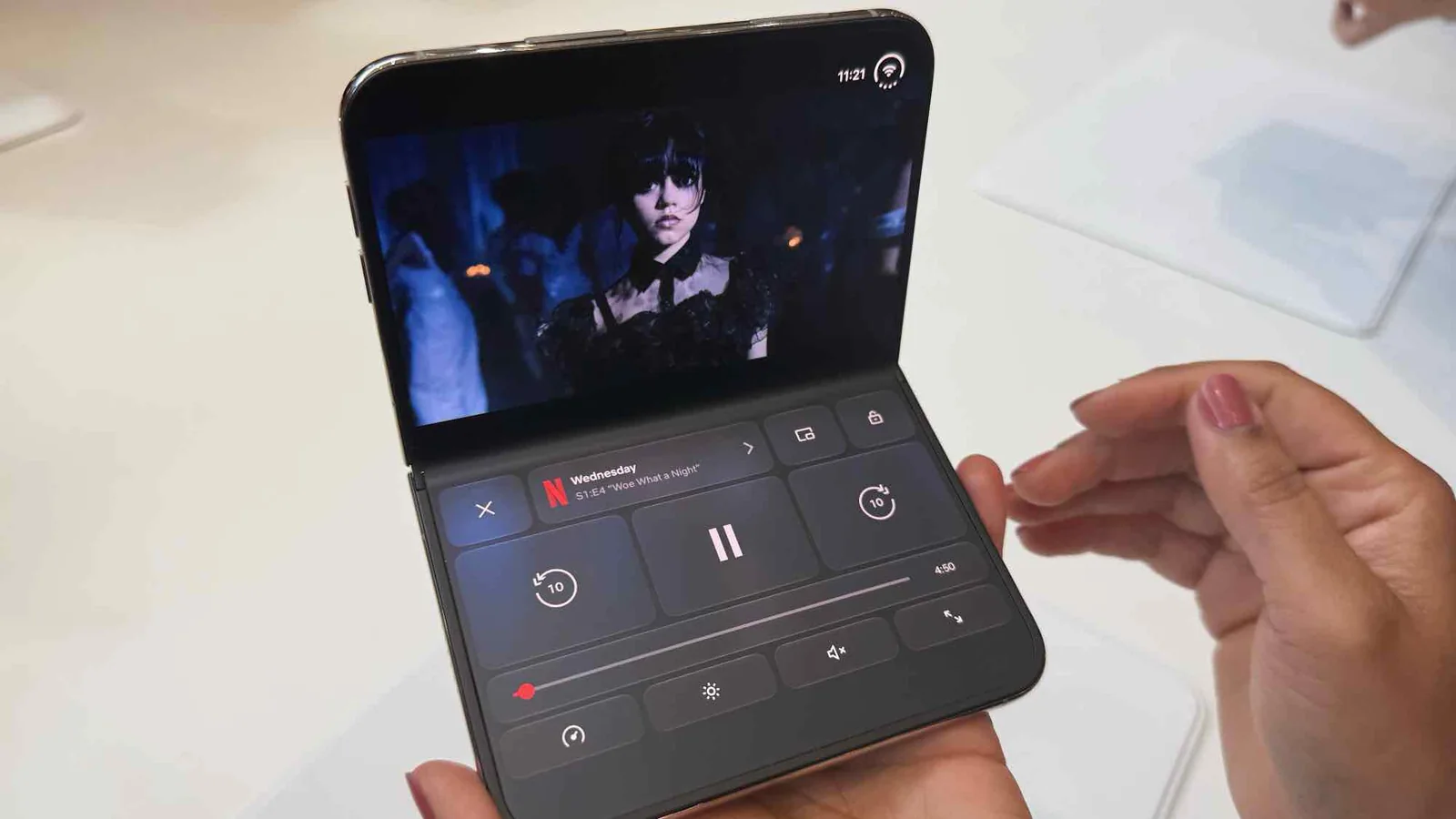
Third-party app optimization
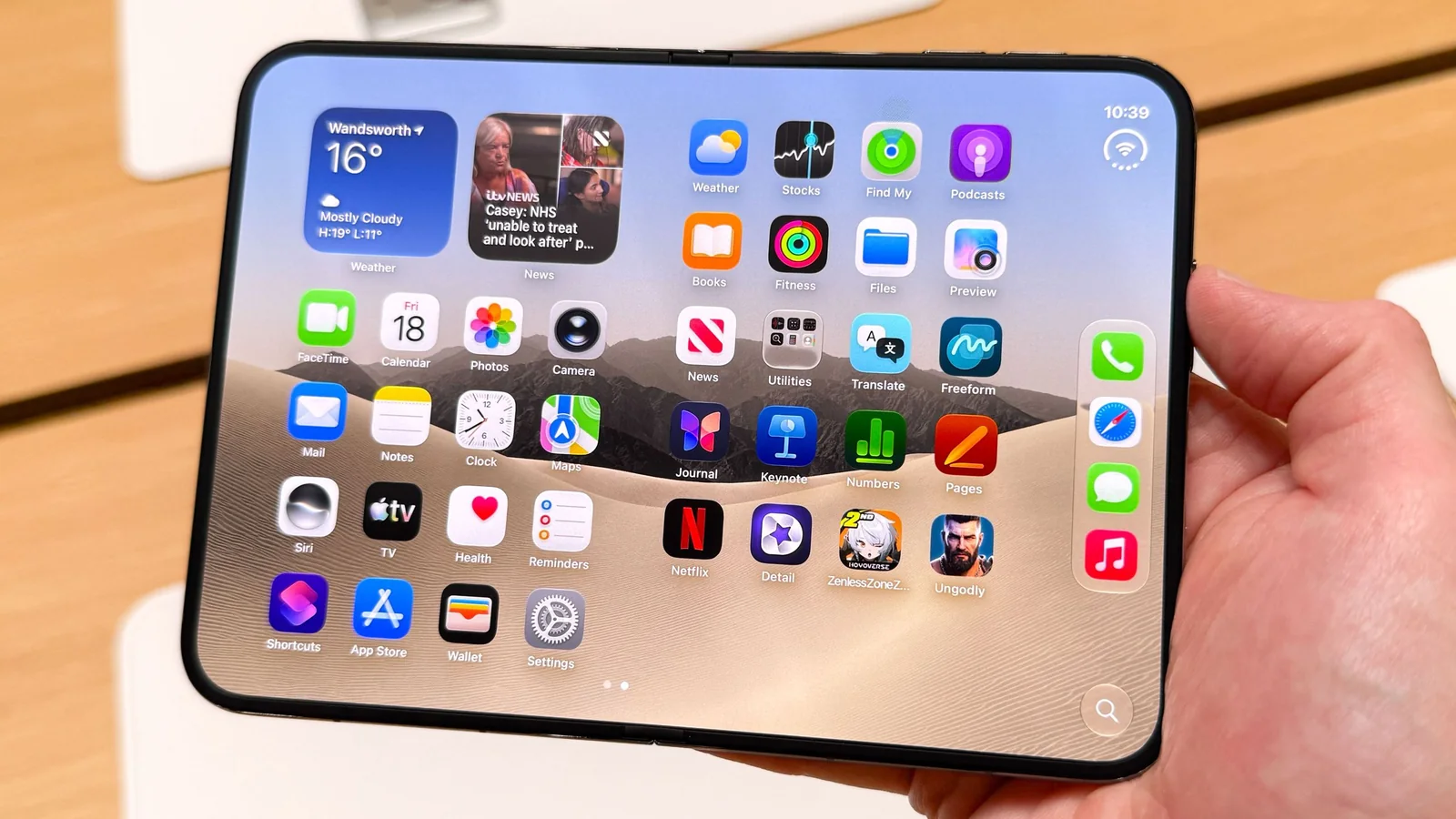
The software experience is one of the iPhone Duo's main selling points, and we know that Apple has done a lot to ensure that its own apps are optimized for the new screen sizes.
However, just because Apple and a handful of third-party developers have worked to optimize their apps for the dual displays doesn't mean all apps will look good. Optimizing apps requires developer effort, which many often ignore.
This is evident with many Android apps that are simply blown-up versions of phone apps. We hope that dozens, if not hundreds, of apps will be optimized for the iPhone Duo on day one.
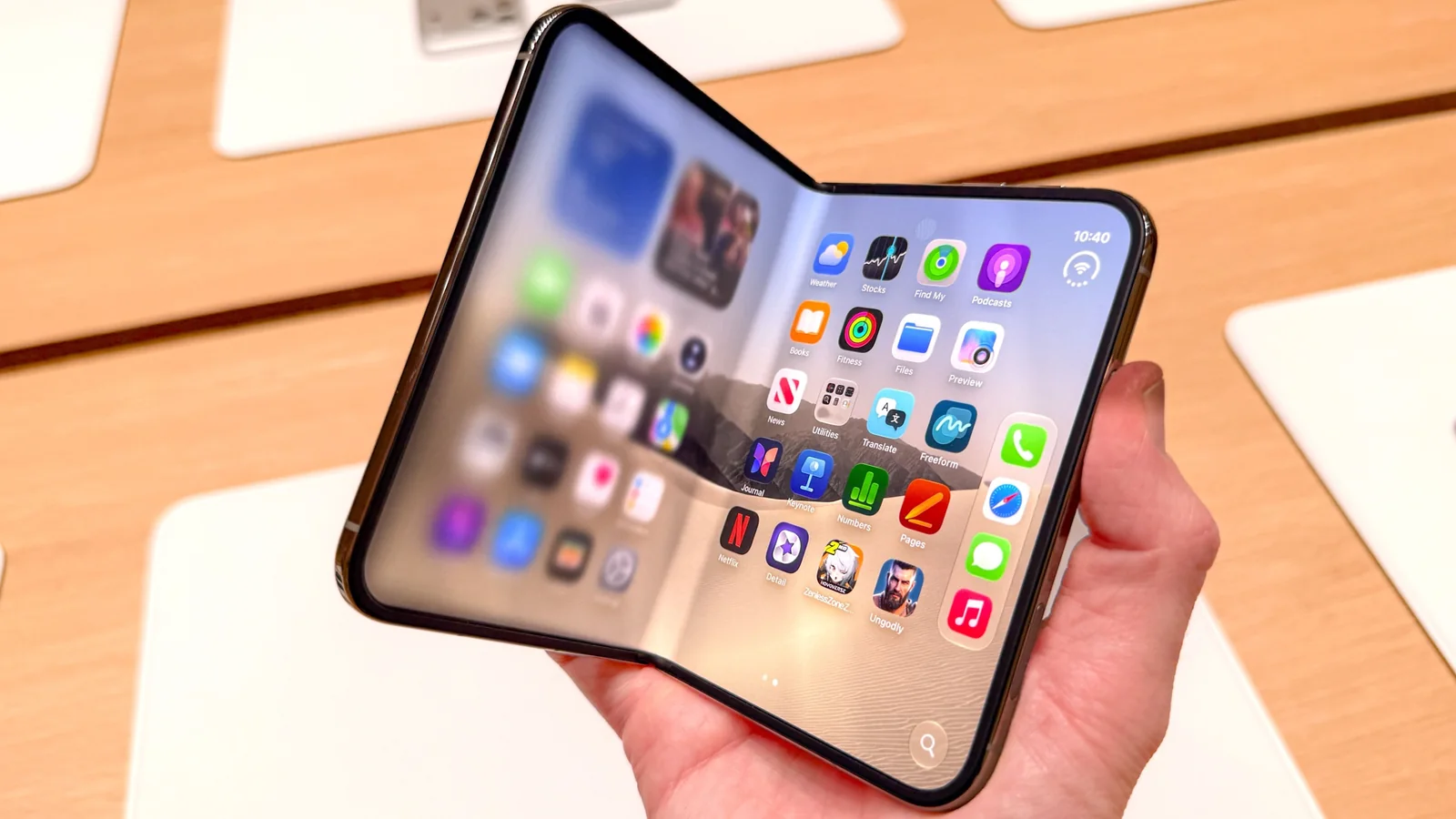
Long term comfort
One observation from our iPhone Duo hands-on is that it is not the thinnest or lightest foldable available. In fact, at 8.9 ounces, it's the heaviest iPhone Apple has ever made. Combined with an unfamiliar form factor, this raises questions about its impact on long-term comfort.
While this may not be the biggest issue, the Galaxy Z Fold 8 demonstrated that a wider form factor can be more comfortable than the larger screens of the Galaxy Z Fold 8 Ultra. However, the Fold 8 is nearly 2 ounces lighter than the Duo.
Until we can spend an extended amount of time with the iPhone Duo, we won't know for sure whether its design and weight will become burdensome after several hours of continuous use. Stay tuned for our full iPhone Duo review and test results.