Reader Reactions to Apple's First Foldable
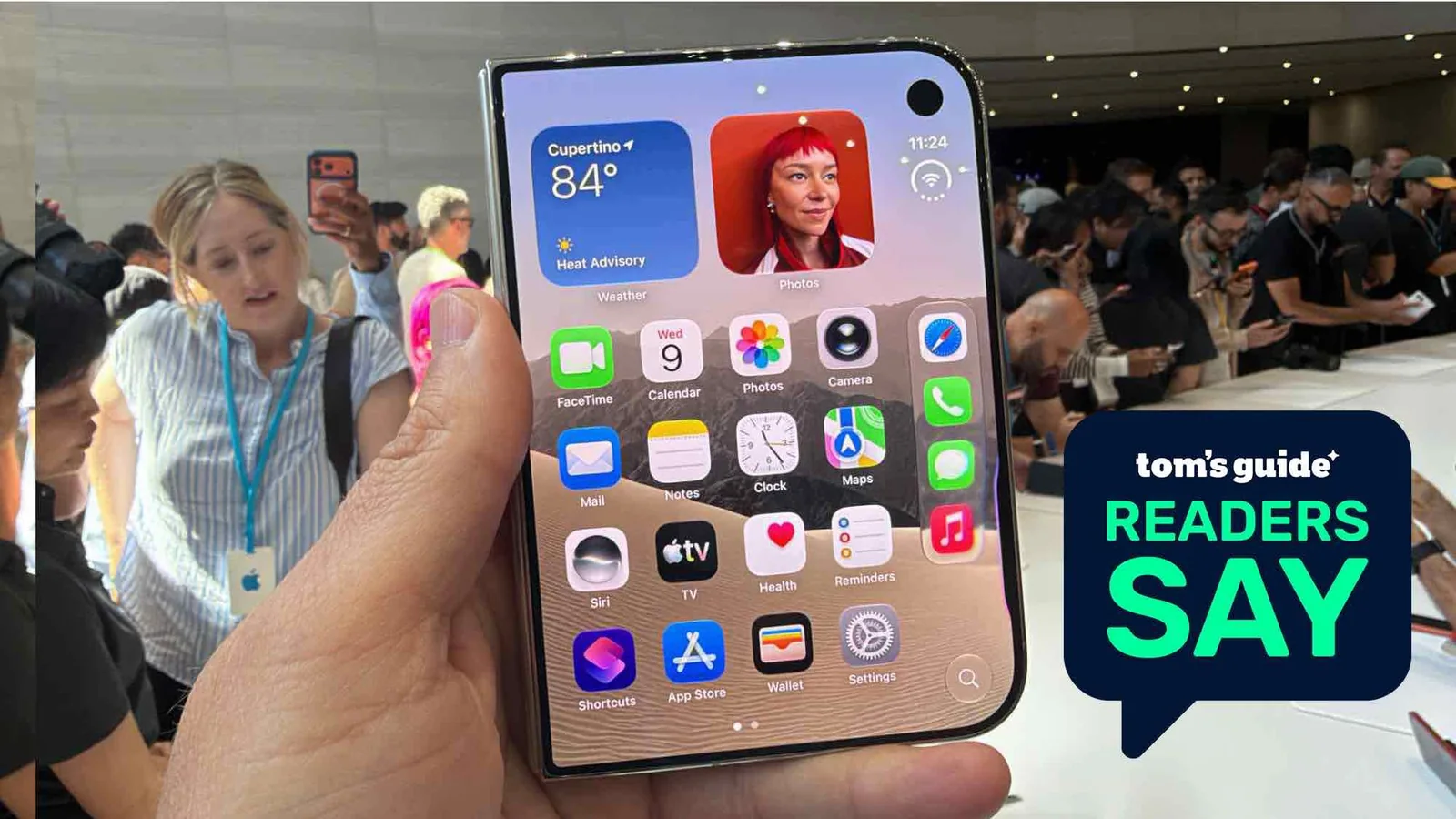
The iPhone Duo has sparked a wave of discussion and debate among tech enthusiasts. While some are eager to pre-order Apple’s first foldable phone, others have voiced strong criticisms regarding what users actually get for a $2,000 investment.
Discussions highlighting the Duo’s camera capabilities, lack of Face ID, weight, battery life, and overall price point have drawn hundreds of responses across community platforms.
For some prospective buyers, specific technical compromises are dealbreakers, whereas others remain enthusiastic about adopting first-generation folding technology right away.
Examining the broader community reaction reveals a clear divide over whether the device justifies its high cost.
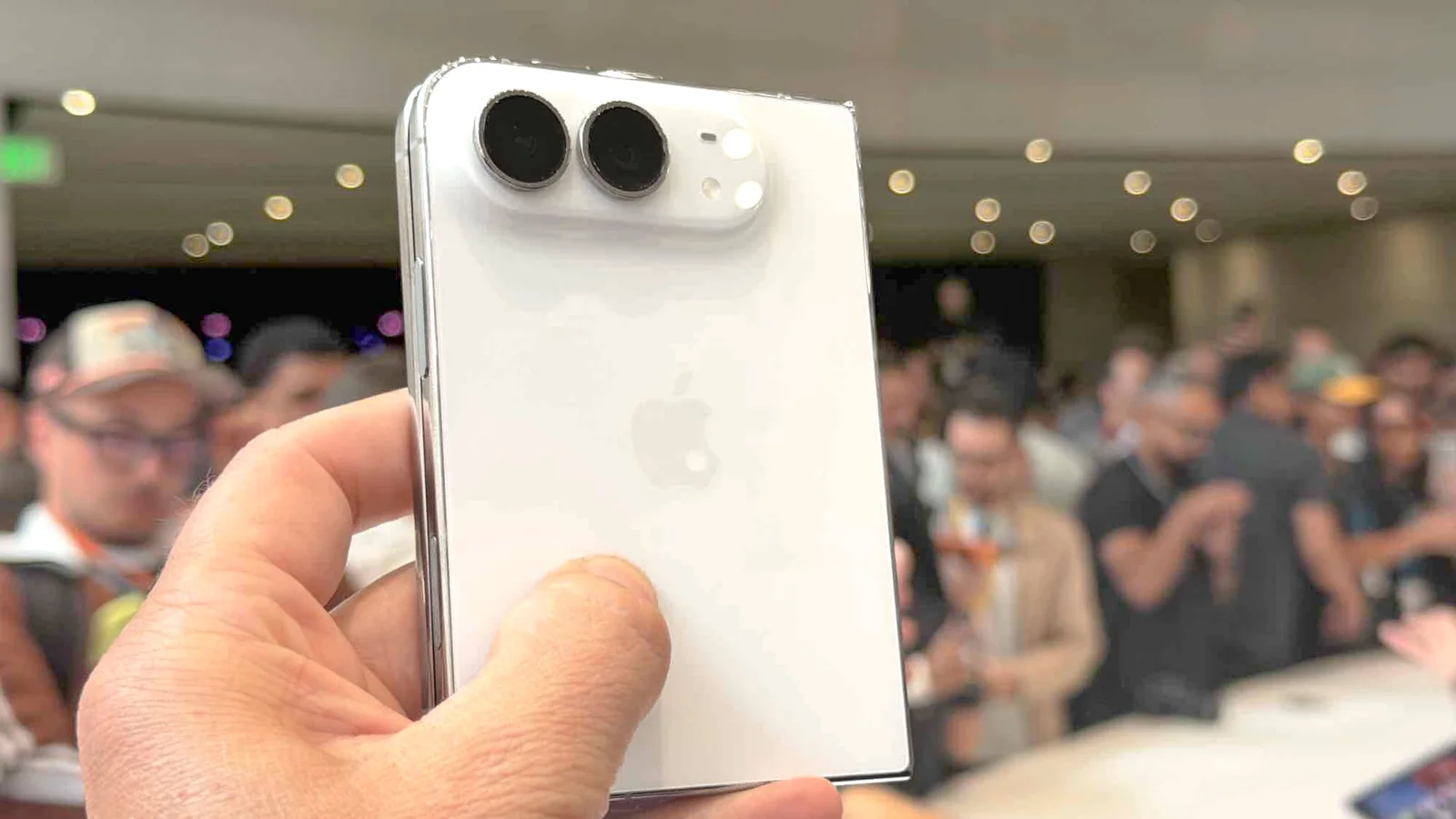
Camera Quality and the $2,000 Price Tag
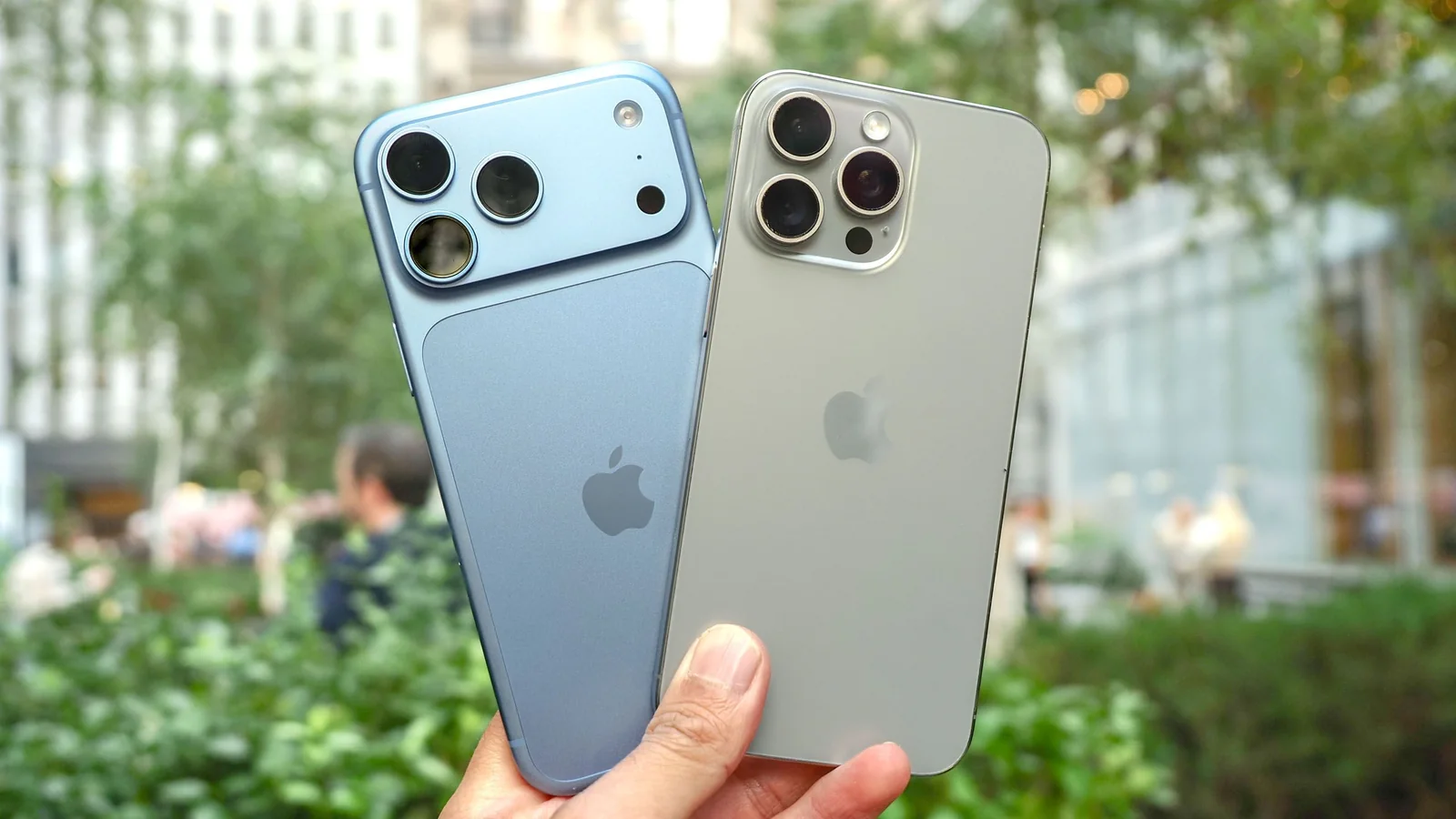
A primary point of contention is the absence of a telephoto camera on the Duo, meaning zoomed photos may appear less sharp compared to traditional flagship models like the iPhone 18 Pro Max, which carries a lower price tag.
Some users expressed reluctance to pay top dollar for a compromised camera system, viewing it as a significant drawback.
Conversely, other observers argue that folding phones are designed primarily for productivity and content consumption rather than professional-grade photography, suggesting that buyers focused on top-tier cameras should stick to the Pro lineup.
However, critics maintain that a $2,000 smartphone should still offer high-end camera performance, making the omission a dealbreaker for photography enthusiasts.
Technical breakdowns online further emphasized that the lack of a dedicated telephoto lens significantly reduces resolving power when zooming in compared to previous Pro models.
The tension between premium pricing and hardware compromises remains a central theme for potential buyers.
Many consumers have been conditioned to expect superior camera hardware as phone prices rise, turning this into a difficult purchasing trade-off.
Despite these concerns, early polling indicates that a notable majority of respondents would still consider purchasing the iPhone Duo.
Evaluating the Return of Touch ID
Due to spatial constraints within the foldable form factor, the iPhone Duo omits Face ID and relies instead on Touch ID for biometric authentication.
Some users welcome the return of fingerprint authentication, noting its reliability in situations where facial recognition fails.
While Face ID can occasionally struggle with changes in appearance, lighting, or accessories, Touch ID also presents challenges during colder weather when wearing gloves.
For many consumers, the alternative unlocking methods help mitigate the absence of facial recognition.
Apple Watch integration offers an additional seamless workaround for device unlocking.
Wearers of compatible smartwatches note that automatic unlocking features make the transition away from Face ID much less noticeable in daily use.
At the same time, users with specific accessibility needs or physical constraints find the lack of Face ID to be a frustrating limitation.
Battery Life and Practical Expectations
Apple estimates that the iPhone Duo delivers around 24 hours of normal use, compared to the 30-hour estimate for the Pro Max.
The gap is even wider in video playback tests, where the Duo is rated for 31 hours against the Pro Max's 45 hours.
These differences have prompted discussions about whether the reduced stamina impacts the device's utility as a multitasking tool.
Potential buyers continue to weigh these endurance metrics against their daily workflow requirements.
Some commentators argue that extreme video playback ratings exceed typical daily usage patterns for working professionals, rendering the disparity a minor concern.
Weighing Form Factor Versus Hardware Compromises
For users who prioritize screen estate and multitasking over maximum camera zoom, the Duo may not represent a true downgrade overall.
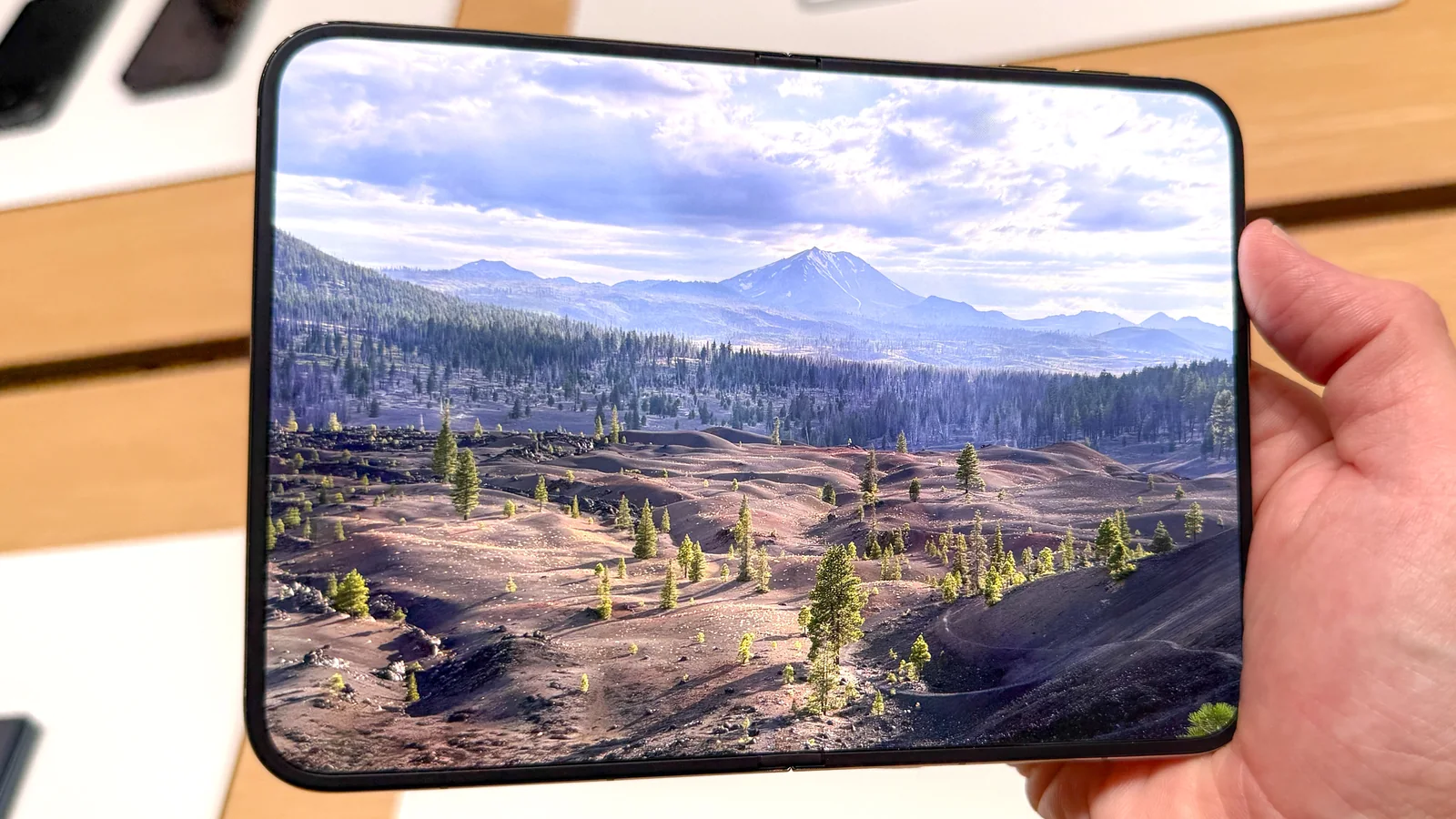
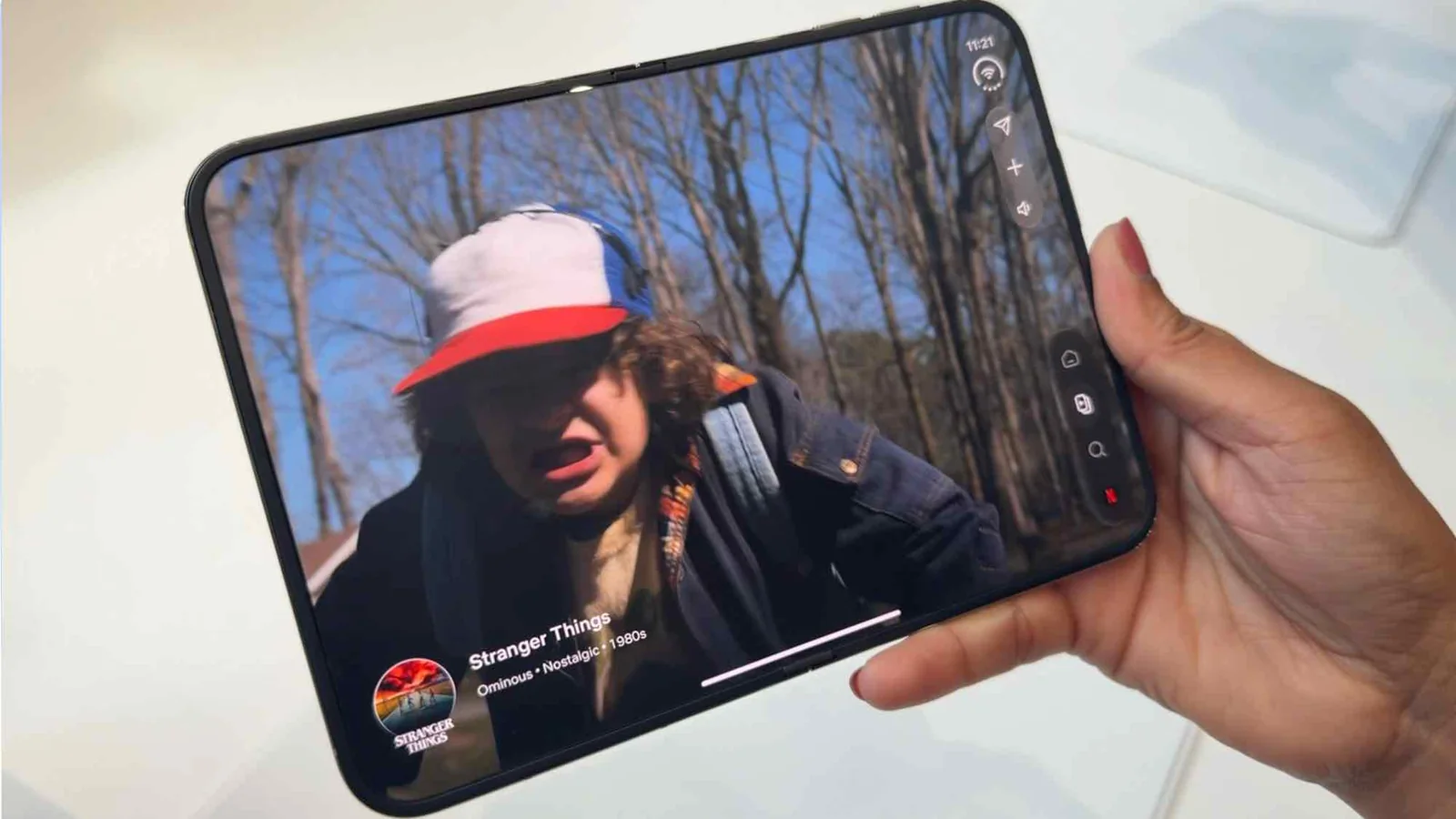
The ability to handle media consumption on a larger folding display while retaining a compact exterior screen offers a distinct hybrid utility.
Ultimately, purchasers must decide whether the convenience of a dual-screen device outweighs its hardware compromises and premium price.
As Apple enters the foldable market, early adopters are weighing the realities of first-generation hardware against long-term utility.
Consumer reception will likely shape the evolution of future foldable iterations.