Camera Hardware Changes
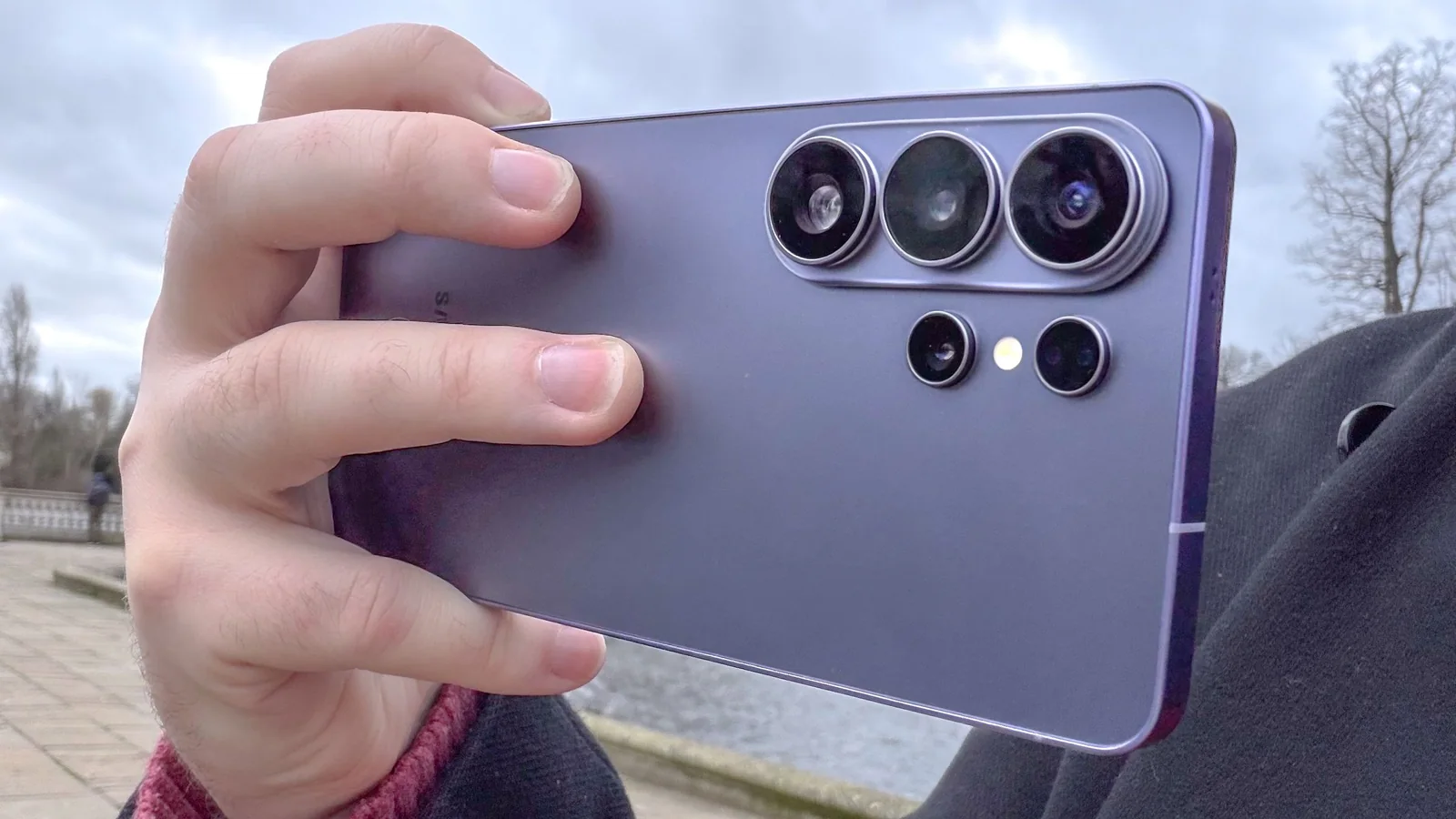
The Samsung Galaxy S27 Ultra is expected to arrive next year, with early rumors pointing to a redesigned camera layout. However, newer leaks indicate that Samsung might implement more significant modifications to the internal hardware configuration.
Reports from industry sources suggest that the redesign could eliminate the secondary telephoto camera featuring a 3x optical zoom, altering the traditional four-lens setup seen on previous flagship iterations.
Leakers indicate the device will bypass the intermediate 3x magnification step entirely, shifting straight from the primary camera to the 5x telephoto option.
Without an optical magnification step between the main lens and the 5x telephoto, the system will likely rely on the main sensor's digital crop capabilities to handle intermediate zoom levels, similar to the 2x optical-quality zoom common in modern flagships.
Reports also indicate that the dedicated 5x telephoto hardware will retain the 50MP sensor found on the current generation, making widespread expectations of a variable optical zoom mechanism unlikely for the upcoming release.
The software could be changing too
Modern mobile photography relies heavily on computational processing alongside hardware specifications. The Galaxy S27 Ultra is tipped to introduce substantial modifications to how images are processed.
Leaks point to three distinct adjustments in image processing. The first involves transitioning from traditionally cooler color profiles to warmer tones, bringing the default aesthetic closer to competing device outputs.
Exclusive, detailed leak: Compared with the Galaxy S26 Ultra, the Galaxy S27 Ultra brings three very noticeable changes to its camera processing...
Additionally, Samsung is reportedly improving highlight suppression for small, bright subjects, such as distant light sources or illuminated text, addressing previous tendencies toward overexposure and lost detail.
The manufacturer is also working to minimize noise in dark environments and deliver a smoother overall image, building upon previous low-light enhancements driven by computational photography.
Together, these anticipated adjustments aim to provide cleaner images across diverse lighting conditions while adopting a more natural color balance.