Hardware versus Software
Did you hear about the new Xiaomi 18 Fold? Maybe not, but this foldable phone is getting a lot of attention on YouTube for beating the upcoming iPhone Duo at its own game. Here is just some of the ways it wins.
It is lighter
It is thinner
It has a telephoto camera
It has a bigger battery
It charges faster
It is better at multitasking
It has a brighter screen
It is hundreds cheaper
As you will see in a widely viewed video by Mrwhosetheboss, which at last count has over 16 million views, Xiaomi has superior hardware on paper. But when looking closer, a number of flaws emerge in this would-be iPhone Duo competitor.
For starters, the phone is made of less durable aluminum, versus the stronger titanium frame on the iPhone Duo. And that durability advantage extends to the Duo's IP68 rating for water and dust protection, which the Xiaomi lacks.
In addition, the crease is more noticeable on the Xiaomi 18 Fold because it lacks the Duo's nano-texture display. Even worse, testing found that simply opening and closing the Xiaomi foldable resulted in unsettling clicking sounds.
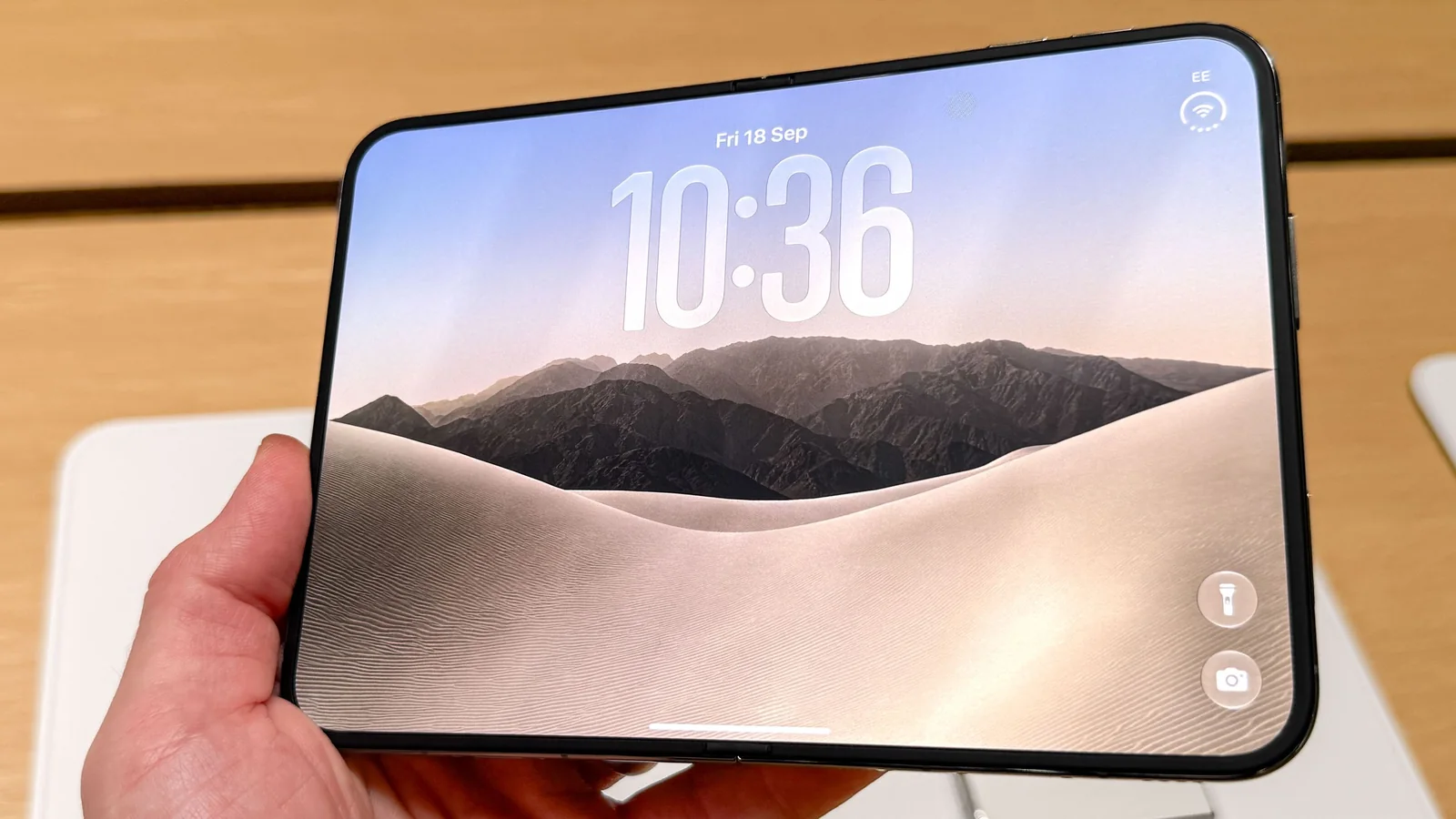
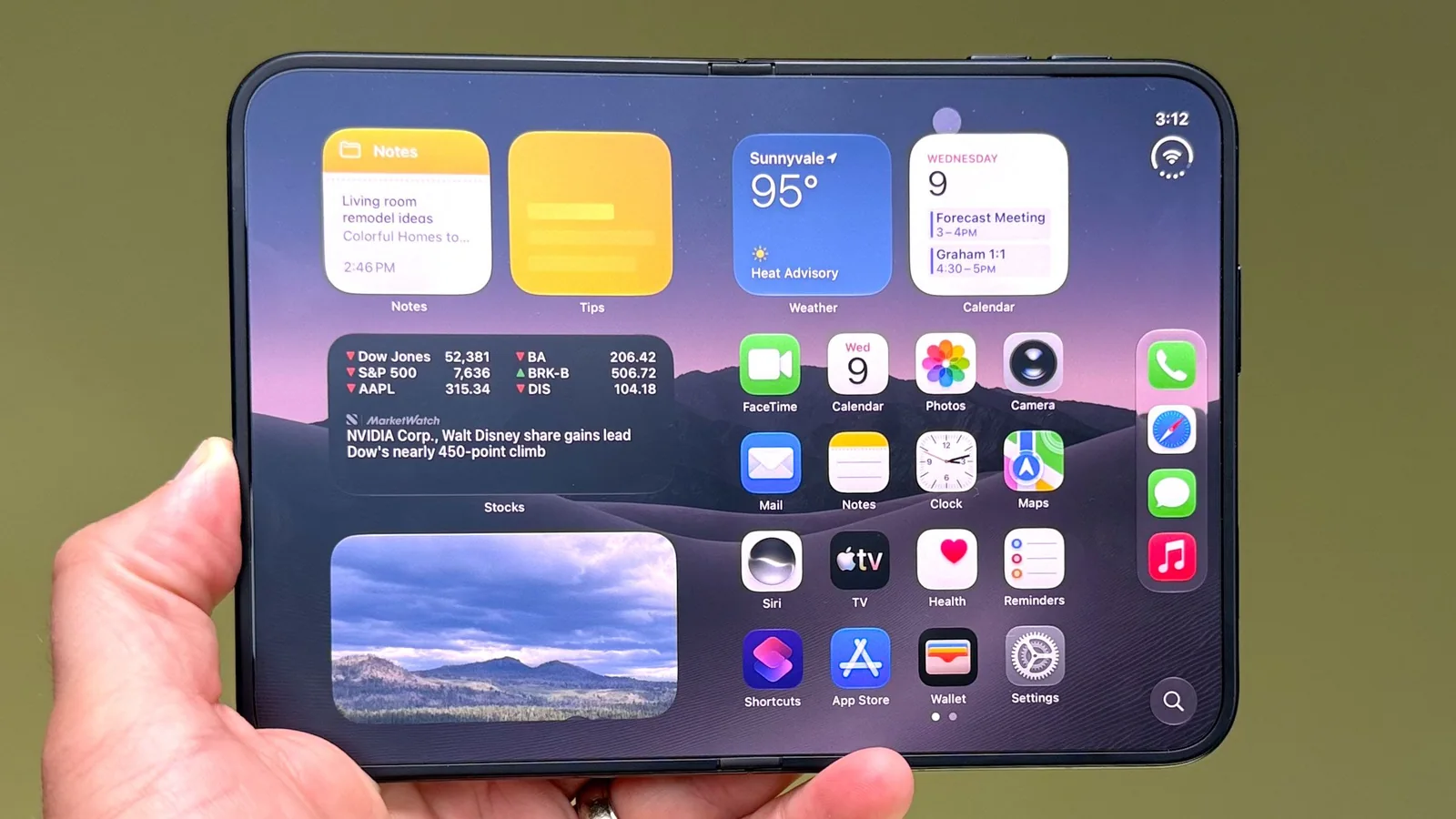
But the real reason the iPhone Duo is superior is the software experience, specifically how Apple optimized its OS and apps for the foldable form factor. It looks like competitors just throw their regular OS at a foldable, with sometimes awkward and ugly results.
This is the same reason why the iPhone Duo will likely beat all other Android foldables once it is released: no other company focuses as obsessively on how the hardware and software work together.
Hardware and Software Innovation
For example, Apple redesigned the dock on the iPhone so it sits on the right side, making it easier to reach both when the display is closed and open. The same thing goes with the controls for apps.
This is admittedly a disadvantage for left-handed users, but it is a functional use of the available space and wider aspect ratio, allowing users to see more content.
In addition, Apple has optimized the software so that apps can adapt based on the pose the device is in. For example, when you turn the iPhone Duo upside down in tent mode, it can automatically morph into an alarm clock and emit a soft glow when your alarm goes off.
Apple has also redesigned iOS 27 so that the iPhone Duo reacts as you fold the device. If you fold the phone halfway while in Safari, for example, a keyboard will automatically appear at the bottom of the display. When stood up vertically, you can display your calendar on the left and favorite photos on the right.
Apple is making an API available for developers to enable them to make apps that can read the angle of the hinge. Apple representatives confirmed it is accurate to within 5 degrees, noting that most developers will simply focus on various pose states like the book pose, table pose, or tent pose.
Company executives note these features are built so developers do not have to calculate the exact degree the device is open, delivering a standard and consistent experience across apps.
Meanwhile, Samsung abandoned its similar Flex mode for the Galaxy Z Fold 8, reserving this feature only for the Fold 8 Ultra variant.
Industry analysts point out that choices Samsung previously tried are being revisited by Apple, including hinges that open at different angles and under-display selfie cameras. These different hinge postures are well-supported in iOS 27 with interface elements.
Multitasking and App Adaptation
Apple has received attention for the transition animation that takes users from the inner to the outer display, making the device feel fluid.
If this effect were merely cosmetic, competing developers would not be racing to replicate the effect within the first day.
To be fair, the iPhone Duo is limited when it comes to multitasking. Users can only run two apps side by side, whereas the Galaxy Z Fold 8 allows three apps at once with floating windows on top, and the Xiaomi 18 Fold supports up to eight apps.
It remains to be seen if the Duo is versatile enough in this specific multitasking category.
However, the implementation of Split View gives the two sides of the screen the feel of independent desktops or workspaces, providing a natural user experience.
The App Ecosystem
While Apple has not shared extensive details on third-party applications yet, early implementations look promising.
On Slack, for example, rooms and contacts appear on the left while messages are displayed on the right. Zoom also lets you easily see shared content and call participants down below. On some Android foldables, similar apps have historically appeared as stretched-out phone apps with wasted space.
While Android works fine on foldables, industry experts note that the real test will be whether Apple can successfully incentivize developers to update their apps so the entire experience remains fluid and optimized.
Yes, $2,000 is expensive for a phone, but the availability of an optimized Netflix app on day one for the device suggests strong developer confidence in the platform's market potential compared to initial reluctance with devices like the Vision Pro.
Bottom Line
The iPhone Duo comes with drawbacks, particularly its $2,000 price tag. It is heavier and thicker than some rival foldable devices, and lacks certain iPhone 18 Pro features like advanced telephoto zoom.
Ultimately, the tight integration between hardware and software positions the device to challenge existing foldable offerings and potentially spur broader industry innovation.