Scaling Modular AI Infrastructure
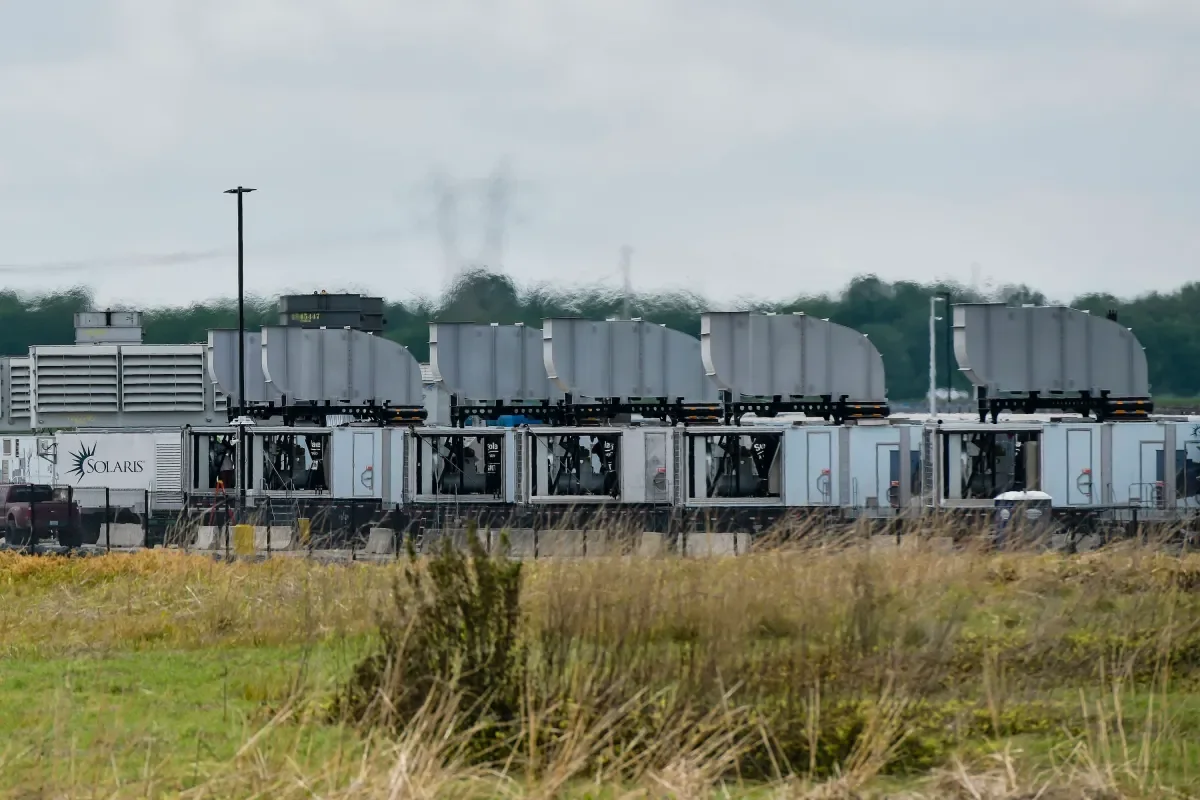
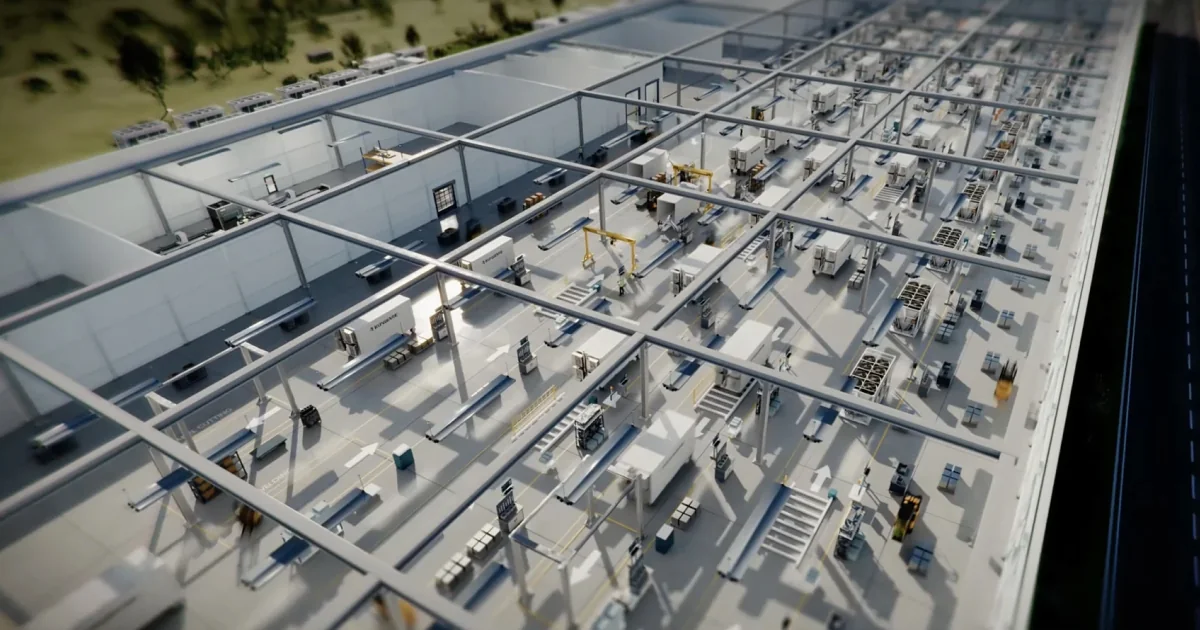
AI infrastructure company Runware is working on plans to build a factory that assembles modular data center pods on a production line, comparable to automotive manufacturing.
While other companies like Crusoe and Schneider Electric also offer prefabricated pods, Runware aims to differentiate itself through accelerated shipping and deployment timelines.
Flaviu Radulescu, co-founder and CEO of Runware, stated that the company plans to scale production at its Romania-based facility to 30 megawatts of data center capacity per day by 2028, approaching nearly 1 gigawatt per month. This initiative highlights an industrywide push to deploy data centers faster.
Nvidia introduced the Vera Rubin AI factories and the DSX POD earlier this year to streamline AI data center construction. However, Runware highlights that it has constructed an operational factory rather than solely designing underlying infrastructure.
Production Timeline and Deployment
Radulescu indicated that Runware will ramp up manufacturing progressively, utilizing an existing facility alongside a second factory slated to begin operations early next year.
The modular units are assembled on a production line and can be installed on customer-provided sites or locations sourced by Runware. The company targets a 48-hour window for installation and setup. While manufacturing a pod previously required three weeks, production times are expected to drop to a single day as output increases. Runware offers spare parts, operational management for rented compute, or monthly fees for customer-supplied GPUs, with power and internet billed separately.
The standard pod design accommodates customization and integration with various GPU generations. According to Runware, pod delivery schedules align with or beat hardware lead times, and an in-house engineering team can rapidly adapt components for new chip releases.
Manufacturing Challenges and Funding
Executing large-scale hardware manufacturing presents substantial logistical and financial hurdles, echoing past cautionary tales in the electric vehicle sector, such as Arrival. Runware has raised over $60 million to date, including a $50 million Series A round last December, and plans a future Series B raise.
Radulescu noted that the company's cost structure relies on accessible standard parts, custom design, and automotive industry expertise to maintain efficient operations relative to the value of AI compute deployment.
Component sourcing remains a factor, with certain parts imported from Germany and networking hardware sourced from Nvidia. Despite this, Runware reports $1 billion in committed interest for its Sonic pods since opening orders to external customers.
Energy Efficiency and Environmental Impact
Addressing energy concerns associated with traditional data centers, Radulescu explained that the pods rely on closed-loop liquid cooling with air-cooled radiators, eliminating the need for a water connection. The company is coordinating with power providers on a pipeline covering 397 megawatts, with expansion potential up to 1.2 gigawatts, utilizing smaller footprints than traditional hyperscalers.
These deployment sites typically feature existing power infrastructure to minimize grid disruption. The pods operate silently in temperatures up to 86 degrees Fahrenheit and prioritize renewable energy sources.
Outlook for Modular Deployments
Following the opening of its new factory, Runware plans to expand operations into the U.S. and international markets. Radulescu projects that modular architectures will become standard practice for large-scale AI infrastructure.
Ultimately, the company aims to enable organizations to design hyperscale data centers around factory-built modules, reducing implementation timelines from years to months.