Introduction
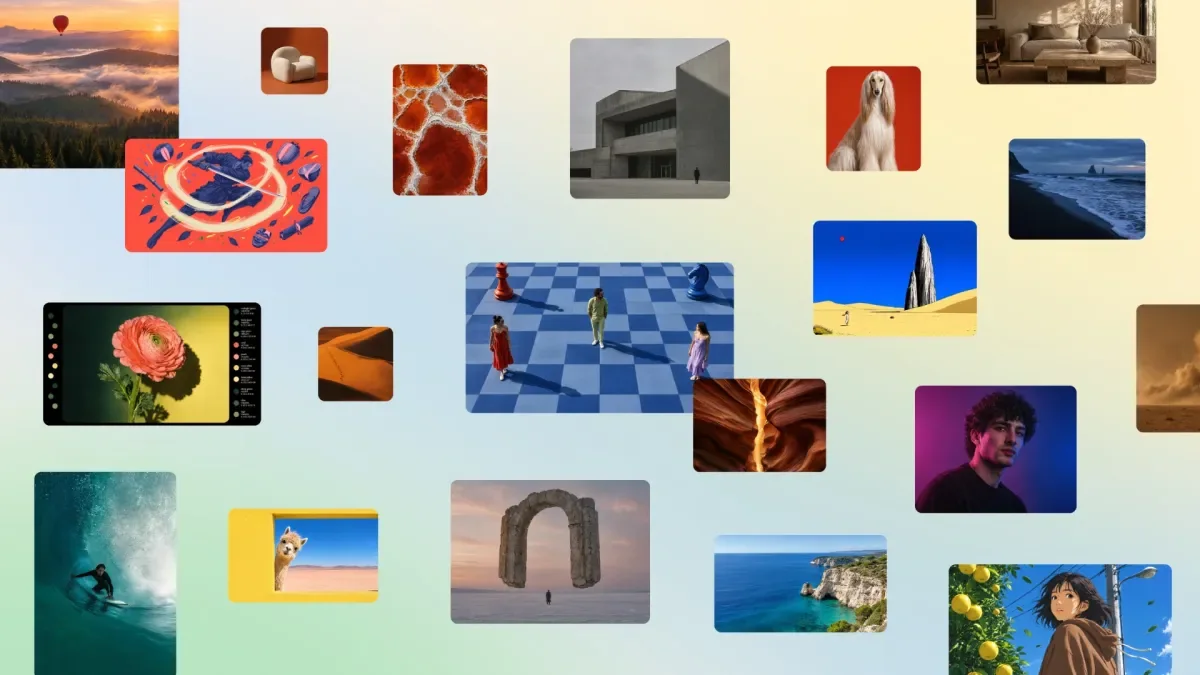
Design platform Canva released its first image generation model, called Canva Craft, developed by its research team to compete with same-category models from Google, OpenAI, ByteDance, and Meta.
The company stated that its model operates in two distinct phases. Initially, it interprets user prompts and formulates a structural plan detailing spatial relationships, relative scale, visual hierarchy, and textual requirements. In the second phase, the model produces an image up to 2K resolution across up to 30 aspect ratios.
According to Canva, this methodology enables the system to render objects with precise details and readable text. Users are also equipped to perform targeted edits without altering unrelated areas of the image.
Training and Integration
Instead of relying primarily on photographs, the organization trained the model using human-crafted templates from its library, encompassing posters, presentations, infographics, menus, and layouts featuring diverse typography.
Consequently, assets generated through Canva Craft can transition into layered compositions utilizing Canva Magic, the platform's image-to-design transformer introduced previously.
Availability and Future Plans
Canva Craft is currently accessible to all users via the Dream Lab tab and will be integrated into the Canva API. Additionally, the company intends to support image generation within third-party chatbots like ChatGPT and Gemini through its MCP.
Having previously incorporated various external image models, the new proprietary system is expected to reduce API expenditures while granting the platform enhanced control over quality and generation speed.
Following its acquisition of media generation platform Leonardo.ai in 2024, Canva noted that researchers from Leonardo contributed to the development of this new model.
Canva is also developing two expedited variants of the architecture, designated Craftfast and Craft-ultrafast, slated for upcoming release.
While previously projecting strong revenue figures, external analysts reported adjustments to the company's growth outlook and valuation metrics for 2026.