The Acquisition of Daily
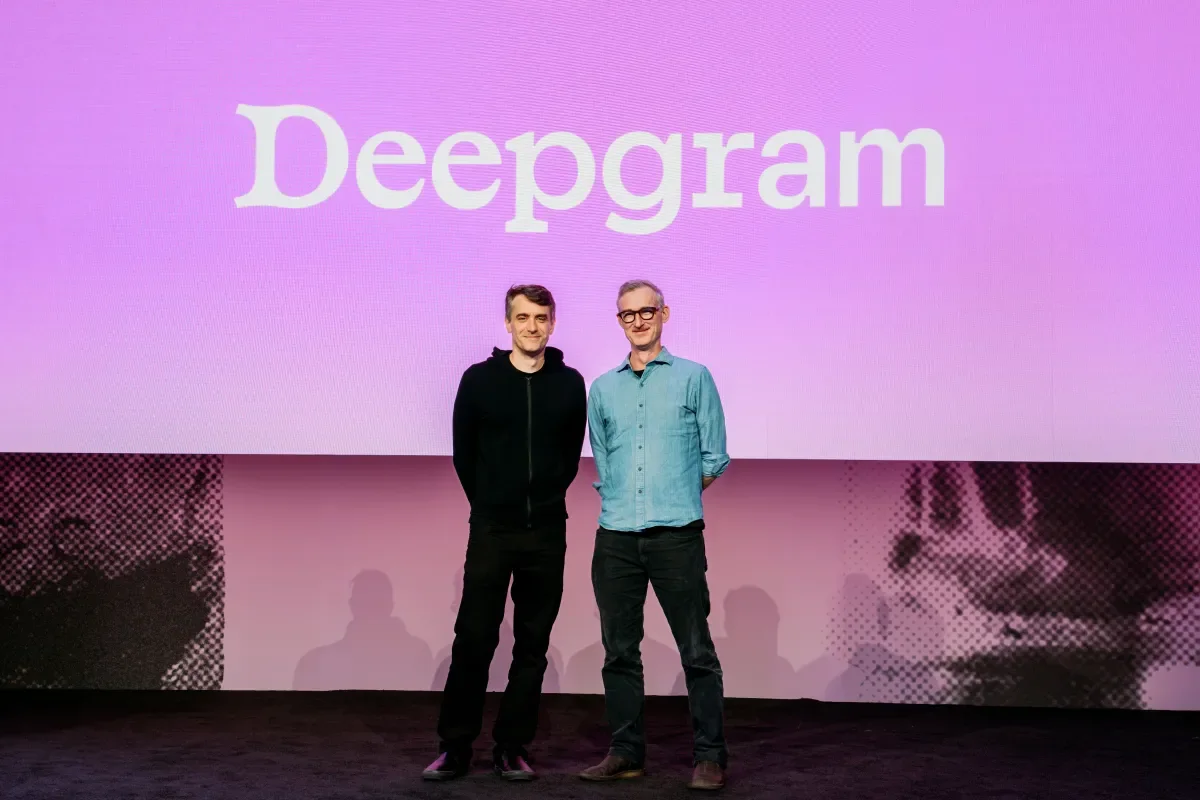
The voice AI sector is seeing increased consolidation as major players secure their positions through partnerships and acquisitions. Deepgram announced that it is acquiring Daily, the creator and maintainer of the popular open source voice AI infrastructure, Pipecat.
The financial terms of the agreement were not disclosed, but both companies confirmed that Pipecat will remain open source.
Pipecat is a framework designed to manage voice and video streams alongside pipeline components such as speech-to-text, large language models, and text-to-speech models while minimizing latency. Daily provides hosted infrastructure supporting diverse voice and video communications.
Through the integration of Pipecat, Deepgram expands its capabilities in real-time voice and video infrastructure.
Funding and Background
Daily previously raised over $62 million in funding from backers including Tiger Global, Highfield Capital, Nat Friedman, Lachy Groom, and Kevin Weil. Deepgram achieved unicorn status earlier this year following a $130 million Series C funding round. Both companies participated in the same Y Combinator batch in 2016.
Kwindla Kramer, co-founder of Daily, stated that experimentation with AI-to-human communication following the release of GPT-4 led to the development of the Pipecat framework. He noted that alignment with Deepgram CEO Scott Stephenson's commitment to keeping Pipecat permanently open source influenced the decision to join the larger organization.
Kramer emphasized that maintaining an open ecosystem serves as a commercial advantage when positioned at the center of a rapidly growing market.
Future Plans and Ecosystem
Stephenson indicated that Deepgram sought to engage deeper with open source development, identifying an agent orchestration framework as a key area for collaboration with Daily.
The goal is to open the ecosystem to enable developers to build voice agents using preferred models rather than being restricted to a single provider.
The acquisition enables developers to construct agents with expressive, end-to-end speech systems by integrating various models through a central context bus.
For Deepgram, the agreement also opens opportunities to explore real-time communications beyond voice applications using the Pipecat framework.
Kramer noted that the framework was conceptualized as a toolkit for AI-native software with real-time performance at its core.
Alongside the acquisition, Deepgram is launching the Real-Time Context Standard, an open protocol co-developed with the Pipecat team to define audio metadata and model instructions.
The voice AI market continues to attract substantial investment across model providers and infrastructure developers, with firms like ElevenLabs, LiveKit, and Vapi securing significant funding rounds.