The Experiment
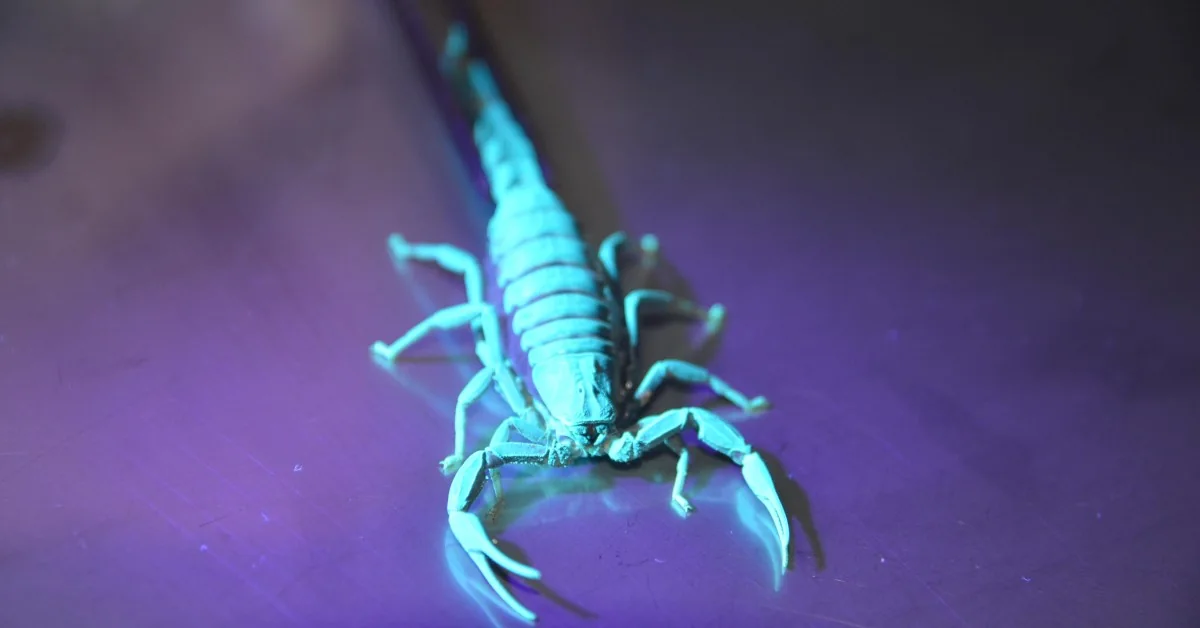
An investment research firm wanted to evaluate whether artificial intelligence could revolutionize drug development. The firm teamed up with Anthropic to see if an unreleased version of Claude could help create scorpion antivenom. While the model produced promising starting points, experts note it stopped short of generating an actual drug.
Citrini Research and Anthropic Collaboration
Citrini takes a stab at drug development.
Claude did not invent scorpion antivenom
Citrini takes a stab at drug development.
Methodology and Goals
Citrini Research admitted that its team lacked formal background in biology. Nevertheless, the firm published a detailed account of its attempt to build a drug from scratch. The project followed earlier viral scenarios published by the firm imagining AI-induced economic disruption.
If the name Citrini sounds familiar, that’s because the firm was behind a widely circulated piece of fiction imagining an AI-induced economic catastrophe that gained traction on social media and rattled real-world markets. It also claims to have visited the Strait of Hormuz in April to get a firsthand perspective on what was happening in the volatile region.
For its latest venture, Citrini enlisted Anthropic, which has been actively pursuing applications in the life sciences ahead of its upcoming initial public offering.
The collaboration began after Citrini encountered Claude's biosecurity guardrails while researching drug candidates. After contacting the AI lab, Anthropic agreed to lift the restrictions and provide access to an advanced model at its offices, covering compute and token costs totaling nearly $50,000.
The team chose scorpion antivenom as a target due to its high production costs and complexity. Using a 35-page prompt, they deployed approximately 300 subagents to design proteins capable of binding to scorpion venom toxins.
Results and Laboratory Testing
According to Anthropic's documentation, Claude generated nearly 320,000 candidates over 64 hours, narrowing them down to 180 designs after filtering out known toxins. The team added 31 more designs manually, bringing the total to 211.
Citrini sent the designs to external laboratories—Adaptyv Bio and Twist Biosciences—at a cost of roughly $150,000 to test whether the proteins could bind to their targets. Seventeen proteins passed, collectively binding to four of five targeted toxins, though none bound to more than one toxin.
Expert Assessment
Experts note that binding to a toxin does not guarantee that a protein can neutralize it or serve as a safe treatment. Citrini itself acknowledged that experiments had not yet tested whether the proteins actually stopped the toxins from working.
Andreas Hougaard Laustsen-Kiel, a professor of antibody technologies at the Technical University of Denmark, pointed out that discovering a binder against snake or scorpion toxins is relatively straightforward compared to the challenge of translating it into a medicine.
Other academic researchers described the findings as technically promising but heavily hyped. They noted that safety, stability, and in vivo behavior remain unknown, making the translation into viable therapeutics a long process.
Researchers highlighted that the most novel aspect of the experiment was the autonomous discovery workflow rather than groundbreaking biological outcomes, reaffirming that turning molecules into medicines remains the primary hurdle.
Andreas Bender, a professor of machine learning in medicine at Khalifa University, noted that existing computational methods already achieve similar hit rates at manageable costs, and that designing binding proteins is a largely solved computational problem.
Conclusions
Despite falling short of producing a viable drug, Citrini framed the experiment as a successful indicator of investment opportunities in AI-enabled drug discovery.
But it still made a bullish case for companies that might benefit. Naturally, the specifics were reserved for paying subscribers, though Bloomberg reports the firm highlighted companies involved in the testing side of drug development, including Charles River Laboratories, which supplies primates for animal research. In a video discussing the experiment, Citrini described the AI portion as “free,” conveniently overlooking the tab picked up by Anthropic.