CoreWeave, a publicly traded neocloud that rents out computing power for AI, has seen its stock price fall to a 12-month low, alongside industry predictions regarding consolidation among smaller cloud providers.
General Compute co-founder and CEO Finn Puklowski remains optimistic about the market, arguing that fears of a chip-led collapse are overstated due to persistent demand for diverse processing hardware.
Market confidence has also been supported by broader industry filings that help stabilize sentiment surrounding artificial intelligence investments.
Focus on Inference Chips
General Compute has carved out a niche by building its cloud infrastructure using specialized inference chips from alternative manufacturers. The company previously struck a deal to purchase hardware from SambaNova and has since integrated Positron and Cerebras into its supplier network.
A major customer agreement generating $100 million in annual recurring revenue enabled the startup to secure $100 million in Series A funding led by Blackbird Ventures and Abstract Ventures. Valued at $60 million following a May seed round, the company's valuation has reached $800 million post-money.
Alternative Infrastructure Strategy
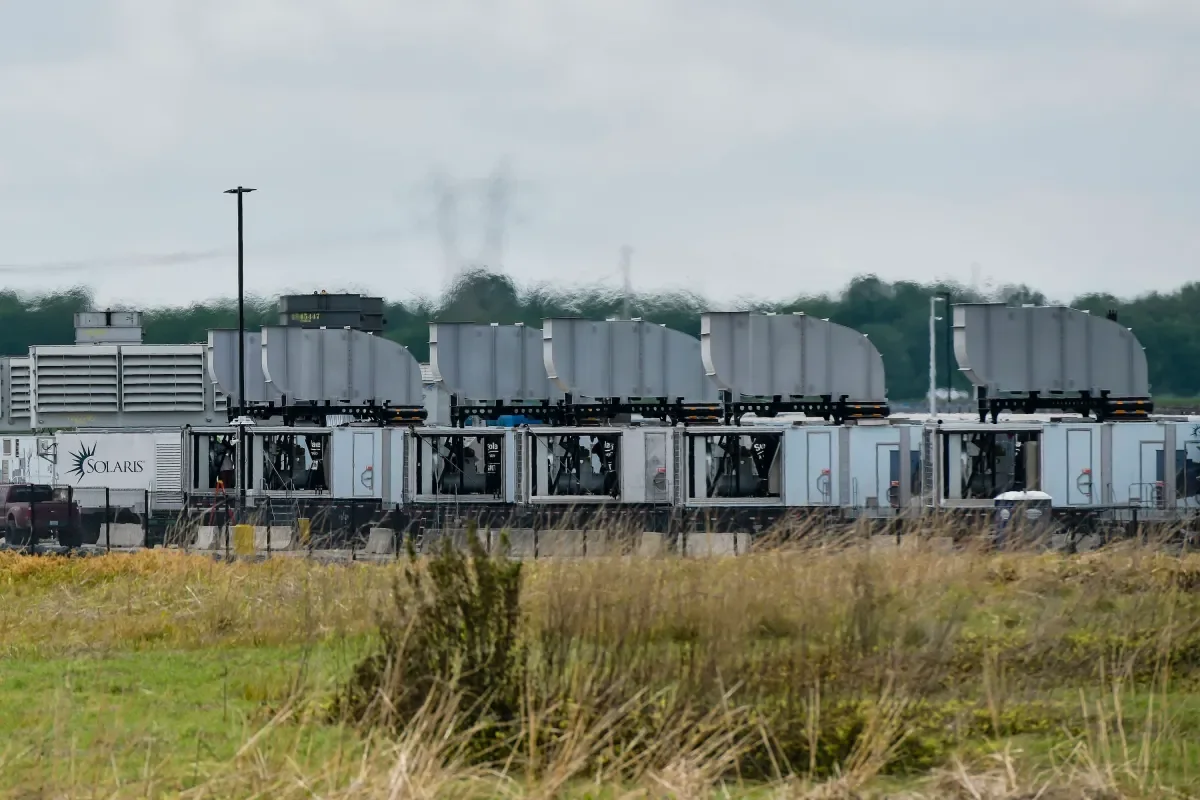
The startup's operational strategy centers on utilizing smaller power sources and repurposing existing locations, such as former bitcoin-mining sites, rather than constructing massive new data centers from scratch.
This approach avoids the heavy constraints of traditional data center development. Puklowski expects the company to deploy 75 megawatts of computing capacity in 2027, with potential access to significantly more power.
Leadership acknowledges that ongoing capital raising across both debt and equity will remain a continuous focus for the business.
Partnerships and Market Demand
The startup supplies bare-metal servers to cloud companies that specialize in high-speed developer inference. Investors noted that growing demand for open-weight inference models drives the need for reliable distribution partners.
Chip manufacturers emphasize the importance of distribution partners capable of navigating physical infrastructure complexities to bring alternative hardware to market at scale.
Industry executives point out that while selling processing speed is common across the sector, ensuring sustainable economic returns remains the primary operational challenge.