DoorDash, the leading food delivery app, processed 970 million orders in its second quarter this year and generated $4.5 billion in revenue. A 10-person startup called Bites is a blip in comparison: It has just around 300 restaurants signed up in the Bay Area, where it operates as a pre-seed startup. But this summer, Bites caught DoorDash’s attention.
The Rise of AI-Powered Food Delivery
Delivery apps like DoorDash and Uber Eats have changed how diners eat and how restaurants operate. AI could force a new kind of reckoning for the industry.
DoorDash Reacts to New Competition
In August, a slew of restaurants in the Bay Area received a strange email from DoorDash, warning businesses that they may be listed without their consent on Bites.
The form letter warned restaurants that they may not have agreed to Bites’ terms or pricing structures, that they may lack control over menu accuracy, and that such practices could potentially be illegal depending on the state.
One way to look at the warning is DoorDash proactively alerting its restaurant partners. But DoorDash going on the offense over a relatively small peer hints at a battle taking shape between established apps and newer, leaner startups looking to upend business in the age of AI.
The Threat to Traditional Platforms
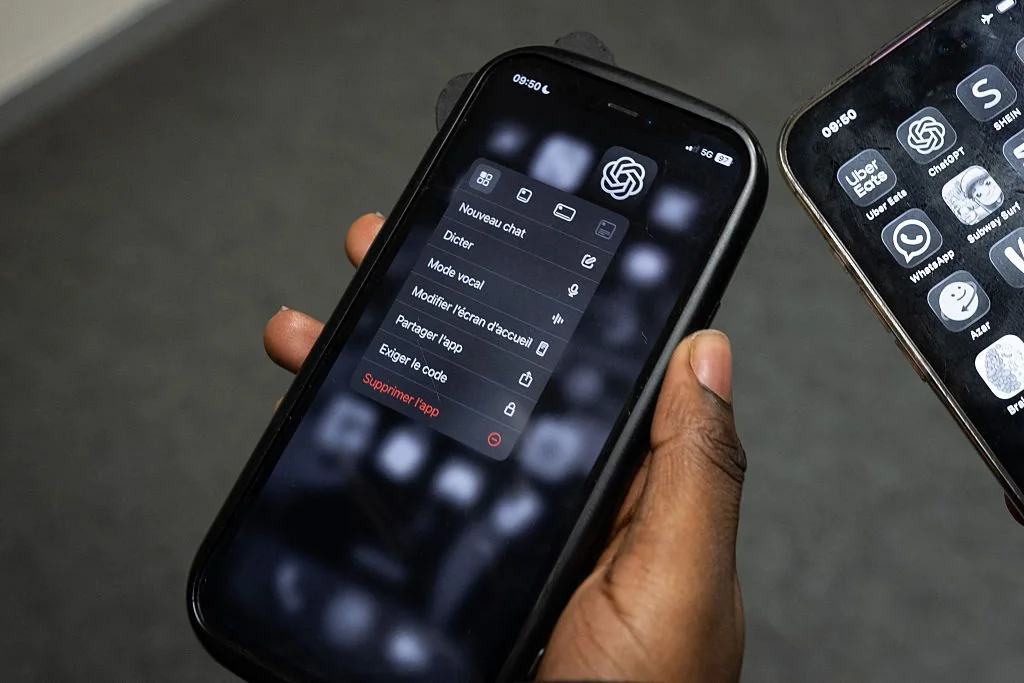
Tech companies have promised that the future of AI involves ordinary people using agents to complete tasks, including ordering food. If billions of people shift to interacting with the internet through large language models instead of search engines and apps, traditional services will lose control of the consumer relationship.
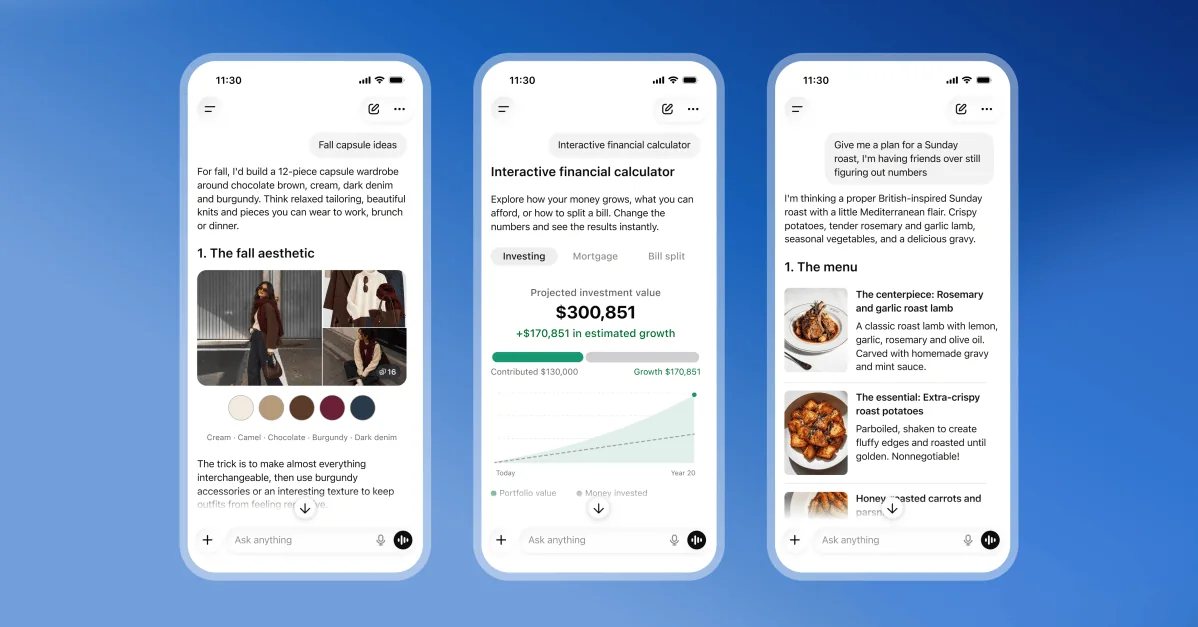
Bites pitches itself as an alternative to middlemen that force restaurants to raise prices. Traditional delivery fees range from 15 to 30 percent per order. Bites touts simplified fees and a flat $1 surcharge per order, allowing partners to keep item prices lower while letting diners place orders directly inside ChatGPT.
Bites founder and CEO Bala Subramaniam says the company heard from 14 restaurant partners who had received a letter from DoorDash, alongside businesses wanting to join the platform.
Restaurateurs note that margins are higher with AI-native platforms compared to legacy apps due to lower commission structures.
Some restaurant owners actively welcome the shift away from traditional apps because it adds directly to their bottom line.
LLMs becoming the portal to the web threatens app- and website-based businesses in myriad ways, preventing companies from offering ads and boosted listings. Similar tensions are visible in legal disputes between AI companies and major retailers over automated shopping agents.
Industry executives argue that the heavy infrastructure investments made by early delivery apps no longer justify maintaining legacy pricing models.
Matt Maloney, cofounder of both Bites and Grubhub, points out that post-pandemic, nobody needs to be convinced of the convenience of delivery, yet pricing structures remain inflated.
Testing AI Ordering Systems
Bites partners with point-of-sale systems like Toast and Square to pull digitized menus directly into LLMs. Tests comparing orders placed through AI plugins versus traditional apps showed significant savings on service fees and item prices.
Founders argue that restaurants are hungry for a new model because legacy pricing structures have forced them to inflate menu prices.
AI ordering services are especially geared toward diners who already know where they want to eat rather than functioning as general discovery platforms.
Platforms without discovery overhead can bypass sponsored ads and focus entirely on fulfillment and pricing.
Data Access and Restaurant Relations
A major friction point between restaurants and delivery apps involves customer data. Traditional apps typically withhold direct contact information, whereas alternative platforms enable direct communication and customer relationship management.
Platforms like DoorDash continue to withhold most customer data from independent restaurants.
DoorDash representatives noted that restaurant partners raised concerns about appearing on alternative platforms without explicit consent.
DoorDash itself has signaled that agentic ordering is a priority, announcing features that allow diners to place orders using messaging prompts.
The Future of Food Delivery
While some restaurateurs plan to diversify their channels by staying on legacy platforms while testing AI options, the broader industry is watching to see how agentic workflows reshape consumer habits.
Startups view pushback from market leaders as validation of their disruptive business model.
Industry participants interpret competitive friction as a clear sign that dominant platforms are feeling the financial pressure.