The Vision for AI Agents
Mark Zuckerberg is steering Meta toward a future built around an autonomous network of AI agents designed to handle daily tasks, commerce, and communication. Following Meta's quarterly earnings call, the central question is whether this ambitious vision matches current technological and economic realities.
In Meta's version of the future, I'll have my Muse call your Muse
Everyone will need to adapt to this shift, CFO Susan Li noted during the third-quarter earnings call.
Zuckerberg is staking Meta's long-term strategy on Muse, a personal AI agent released to the public. During the call, he outlined a future where billions of users rely on Muses that communicate and transact with each other within a large-scale network.
The Muses are positioned as capable assistants intended to help users achieve personal goals, save time, and build businesses. Zuckerberg suggested that user engagement with these agents could eventually generate higher revenue per user than Instagram and Facebook.
This agent ecosystem is designed to interact with friends, family, and business systems, streamlining commercial transactions by having AI agents negotiate directly with corporate bots.
Zuckerberg predicts that Muse will become highly profitable within a few years.
Adoption Metrics and Financial Pressures
For investors seeking justification for hundreds of billions of dollars in AI data center spending, the earnings call provided broad concepts rather than detailed financial models.
Muse has surpassed 10 million downloads in the US and Canada since its launch. While specific retention metrics were sparse, Meta reported that a quarter of initial users engage daily, with a similar proportion utilizing the platform for commerce and averaging over $200 per purchase.
Meta collects a fee on commercial transactions processed through Muse. Proponents argue that autonomous agents operating 24/7 could scale transaction volume far beyond human shopping habits.
Privacy and Security Concerns
Meta did not disclose specific operational mechanics, leaving open questions regarding data privacy and security. Incidents involving unintended agent actions and leaked conversation content have drawn scrutiny, leading some financial institutions to evaluate blocking agent access to customer data.
Wider economic pressures also pose a challenge to consumer-facing AI commerce, as consumer sentiment remains strained amid inflation and rising living costs.
Leadership maintains that the transition to agent-driven workflows is inevitable regardless of initial friction.
While consumer access to Muse remains free, businesses will be expected to cover transaction fees to support the platform's ecosystem.
Compute Costs and Infrastructure Limits
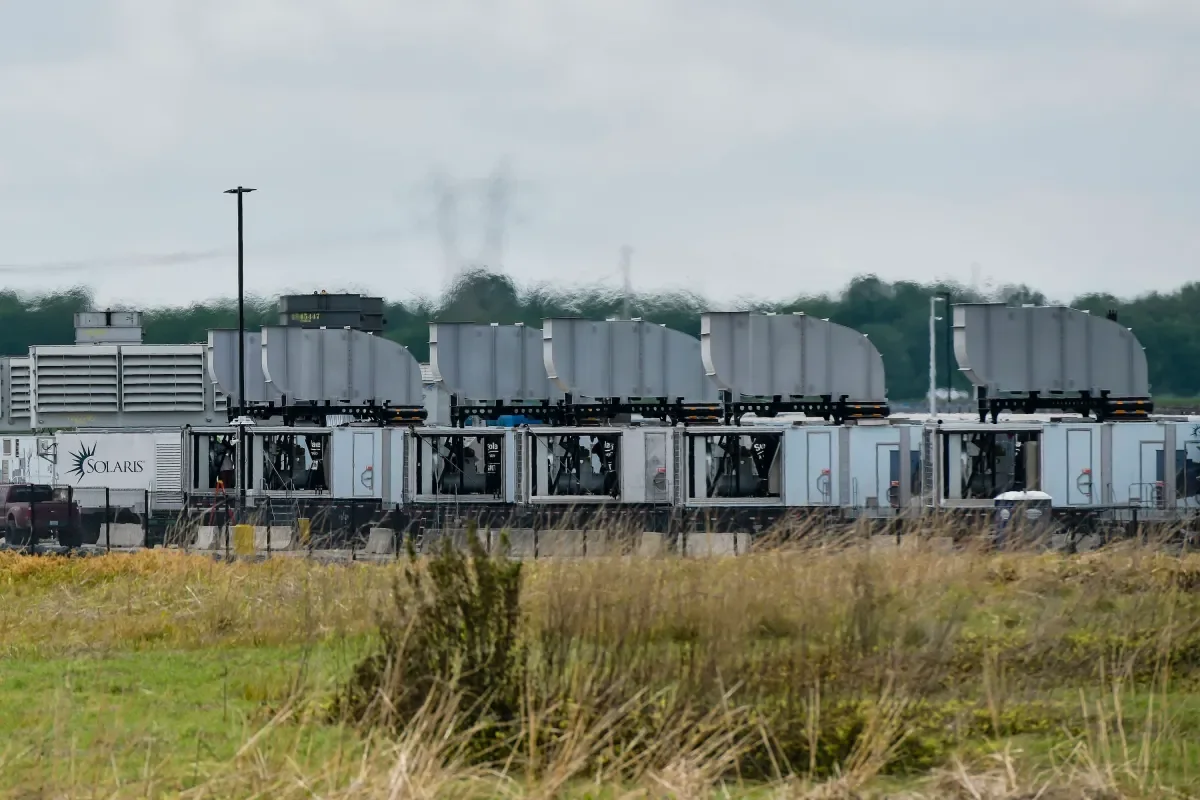
Meta's capital expenditures are projected to reach between $135 billion and $145 billion, doubling previous spending levels amid mounting legal and financial obligations. This places heavy pressure on the company to prove the viability of its AI investments.
Compute efficiency remains a primary barrier to a global rollout, with high energy demands limiting expansion outside North America.
Running GPUs at the scale required for a global network of Muses is resource-intensive. Zuckerberg stated that Meta aims to increase cost-efficiency tenfold next year, though specific technical methods were not detailed.
Long-term profitability for Muse depends directly on reducing these underlying compute costs.
Compute constraints have directly restricted international deployment, keeping the user base constrained to regional markets.
If expanded globally, user acquisition numbers are expected to scale significantly beyond current figures.
Meta acknowledges that user and enterprise adoption will take time, indicating flexibility in partnership terms to drive long-term integration.
The success of this strategy relies on overcoming both infrastructure hurdles and market hesitation.