The End of an Era
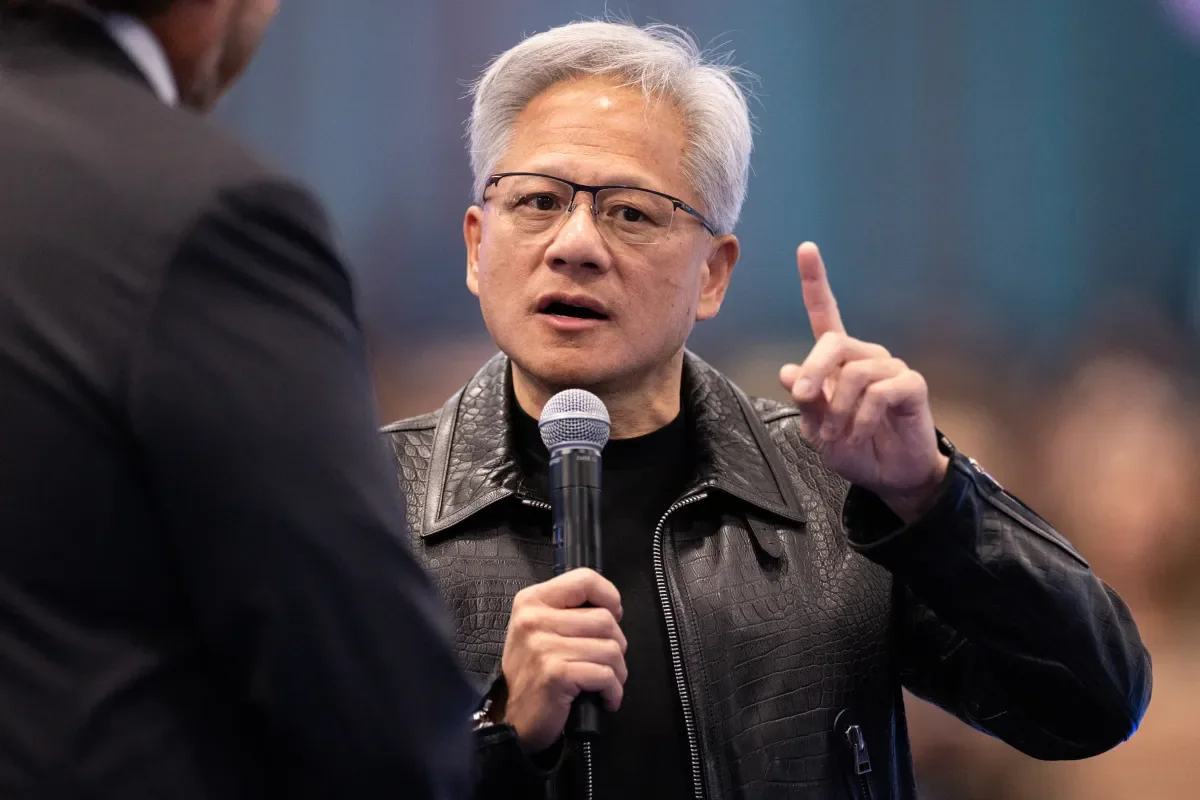
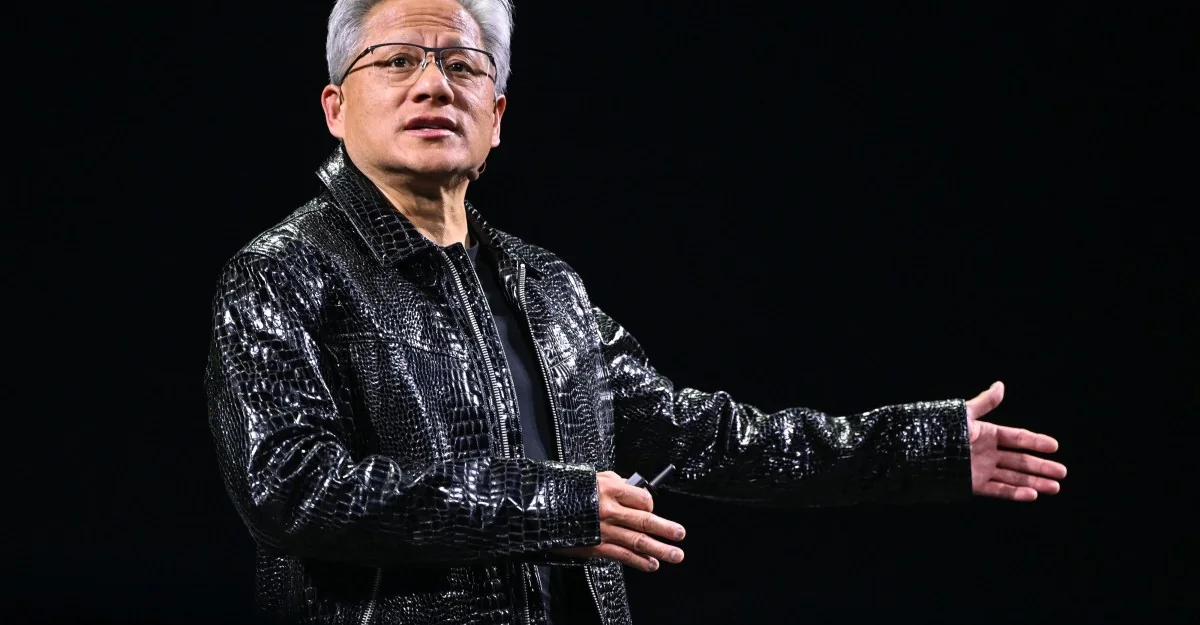
On January 6th, 2025, Nvidia CEO Jensen Huang made a high-profile entrance at a 14,000-person arena, wearing his signature black jacket amidst cheering fans.
Jensen Huang and the decline of the visionary showman founder CEO
The executive widely compared to Steve Jobs for his role in popularizing graphics processing units has stepped down.
Huang's exit follows reported controversies and scandals that have drawn intense scrutiny from the technology sector and financial markets.
As the head of a company representing a significant portion of the S&P 500 index and providing the foundational hardware for the global artificial intelligence boom, Huang's departure raises questions about corporate stability and succession planning.
Huang previously expressed intentions to remain at the helm long-term, having built a centralized management structure where roughly 60 employees reported directly to the CEO.
Analysts note that because operations and strategic decisions flowed directly through Huang, finding a replacement presents unique organizational challenges.
Industry observers observe that Nvidia's corporate identity was deeply intertwined with its cofounder over three decades of operation.
With his departure, the tech industry loses one of its remaining active visionary founders who combined deep technical insight with charismatic public product demonstrations.
Peers and analysts emphasize that Huang functioned as both a tactical leader and a long-term visionary, a dual role rarely sustained at this scale in modern enterprise technology.
Other major technology firms have long since transitioned to professional management structures following the departures of their original founders.
Huang's presentation style mirrored the keynote traditions established by Apple, though he expanded the format to emphasize complex engineering milestones and parallel computing.
Over the years, his public presentations evolved from niche gaming hardware announcements to comprehensive overviews of accelerated computing and simulation platforms.
Demonstrations ranged from real-time physics and lighting engines to complex weather simulations and virtual robotics training environments.
Nvidia frequently utilized high-profile demonstrations to explain the architectural differences between serial and parallel processing to developers and the public.
Behind these public presentations were high-stakes business bets that defined the company's trajectory over three decades.
Following early financial struggles in the 1990s, Huang secured critical partnerships and funding to keep the enterprise afloat.
Aggressive product pivots, such as the Riva 128 accelerator, restored financial viability and established long-term manufacturing relationships with foundries like TSMC.
A pivotal moment came when Nvidia committed substantial resources to CUDA, a software platform enabling GPUs to perform general-purpose computing tasks beyond rendering graphics.
Building the AI Foundation
Industry analysts credit this early, expensive bet on software architecture with positioning Nvidia to capture the emerging artificial intelligence market years later.
Investing in a computing platform without immediate commercial guarantees required significant financial discipline and long-term conviction.
By treating graphics processors as parallel computers, Nvidia created an ecosystem that researchers adopted well before mainstream commercial AI demand materialized.
Economic downturns and hardware design defects tested the company's resilience, yet leadership continued to subsidize developer platforms and academic research.
Hardware seeding programs provided high-end GPUs to university laboratories, fostering an environment where deep learning frameworks could develop.
The breakthrough adoption of Nvidia hardware by researchers training neural networks like AlexNet in 2012 accelerated the modern machine learning movement.
While not all strategic bets—such as mobile phone chips or early automotive hardware projections—matched initial commercial forecasts, the core computing architecture proved adaptable.
Technologies developed for mobile and embedded systems eventually influenced server-grade AI superchips deployed across major data centers.
Corporate strategy consistently prioritized expanding the scope of hardware deployment from individual chips to complete server racks and networking infrastructure.
Rapid internal decision-making processes allowed the organization to outpace competitors in hardware iteration cycles.
Acquisitions like Mellanox further integrated networking capabilities into Nvidia's data center offerings, solidifying its market position.
As financial returns surged alongside global demand for generative AI infrastructure, public perception of the CEO shifted toward celebrity status.
Public appearances frequently drew large crowds of supporters and industry followers celebrating the region's manufacturing ties.
Investor interactions increasingly focused on celebrating corporate milestones rather than probing operational risks.
Recent events abruptly altered that dynamic, bringing governance and leadership questions to the forefront.
Historical precedent in the technology industry suggests that enterprises can continue to scale profitably following the departure of charismatic founders.
Observers note that the organization bore the distinct imprint of its cofounder, who directed major strategic initiatives and absorbed operational accountability.
The Road Ahead
Financial analysts suggest that immediate operational stability remains high due to locked-in manufacturing roadmaps spanning several years.
The primary medium-term risk involves customer sentiment during leadership transitions and the ability to maintain long-term innovation velocity.
Market researchers emphasize that Nvidia's established supply chain relationships and advanced product pipelines remain intact despite executive changes.
While replacing a prominent public spokesperson presents a challenge, the underlying engineering organization and software ecosystem provide a stable foundation.
The central question for the incoming leadership team will be sustaining the willingness to invest heavily in forward-looking computing platforms ahead of market demand.
Until a successor is established and strategic continuity is demonstrated, market volatility and investor scrutiny are expected to persist.