The Exit and Immediate Reaction
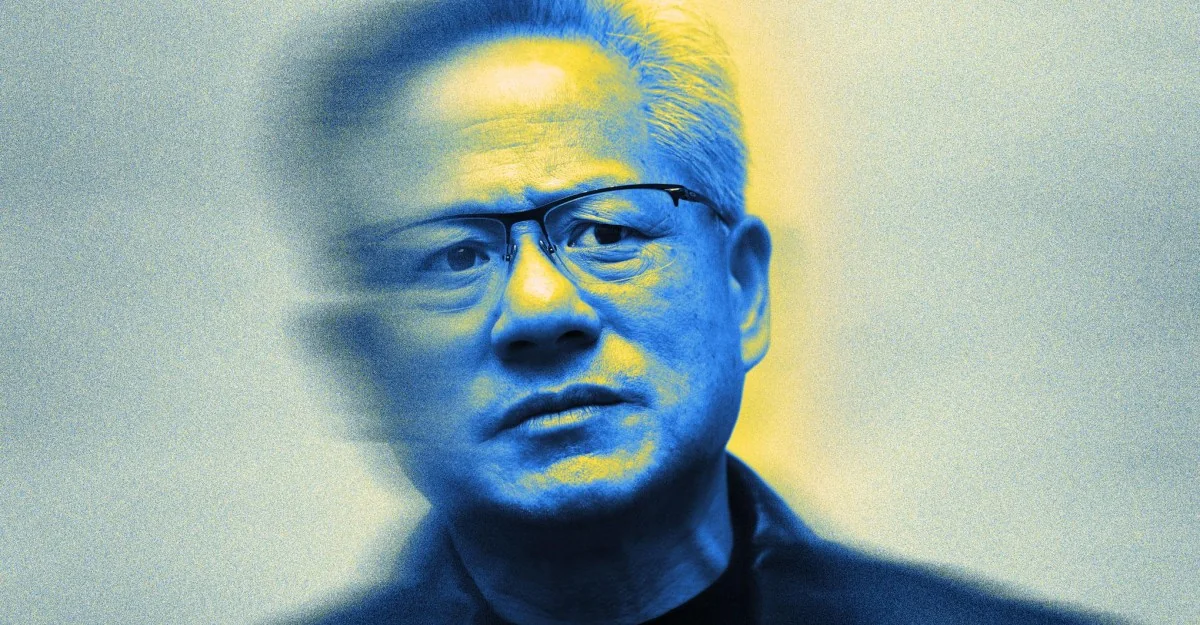
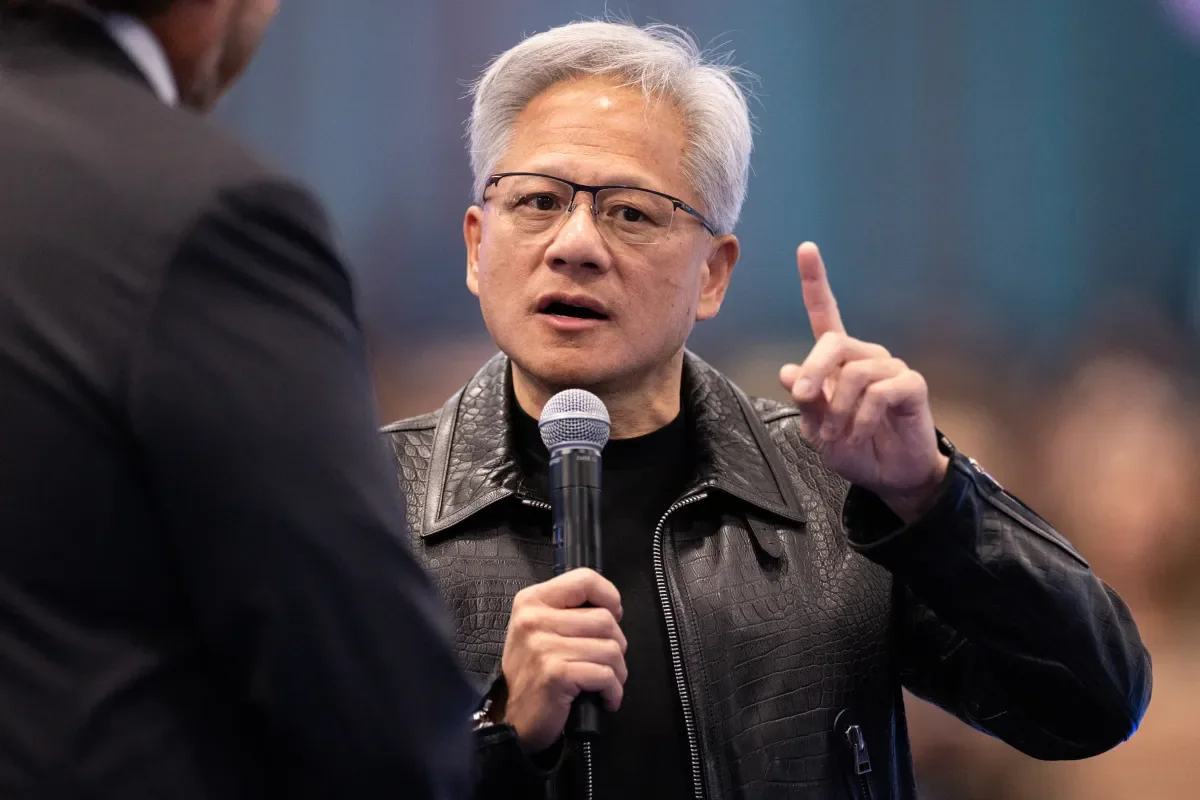
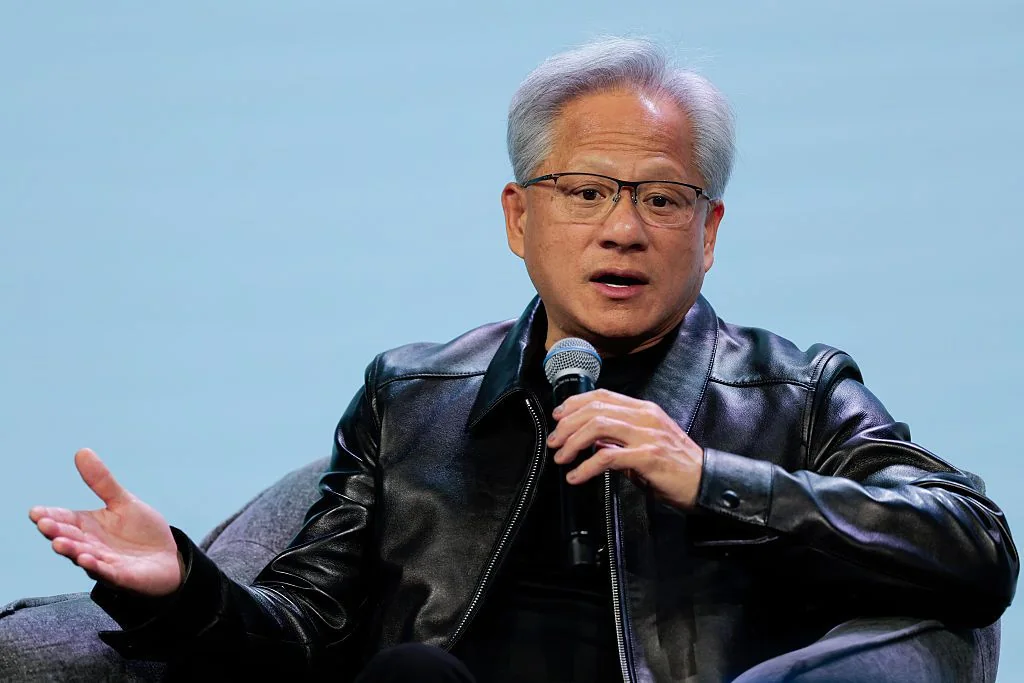
Jensen Huang, Nvidia’s CEO who co-founded and led the company for 33 years, has officially stepped down. Venture capital investors and startup founders described the resignation as a major shock to the artificial intelligence sector.
Over the past several years, Nvidia has operated as a prolific investor, pouring billions of dollars into startups annually and participating in numerous funding rounds as the primary financial backer.
Huang’s absence leaves the startup ecosystem without one of its most prominent financial champions, potentially impacting dealmaking, valuations, funding velocity, and overall market competition.
Industry analysts note that Nvidia has historically supported a wide range of artificial intelligence initiatives, spanning from application layers to specialized neocloud infrastructure providers.
Leadership Transition and Strategy Shifts
Most strategic investment decisions originated directly from Huang. While industry observers hope a permanent successor may eventually resume aggressive dealmaking, short-term activity is expected to slow.
Nvidia’s interim CEO, Colette Kress, is expected to implement operational changes, particularly regarding investments in artificial intelligence startups tied to large-scale data center build-outs. Huang's aggressive dealmaking strategy had previously drawn scrutiny from Wall Street analysts.
Investors suggest that interim leadership will likely adopt a more conservative financial posture, reducing the scale of capital committed to maintaining the early-stage startup ecosystem.
Impact on Infrastructure and Open Source
Nvidia’s largest financial commitments targeted neoclouds, inference providers, and open-weight models, which require substantial capital for smaller enterprises to develop independently.
Past investments included backing CoreWeave while private, participating in Crusoe funding rounds, agreeing to acquire Hugging Face, and taking stakes in Mistral AI, Lambda, and Black Forest Labs, alongside a major investment in Reflection AI.
Market participants note that Huang's departure could create a distinct geographic funding gap, particularly for international developers and European open-source initiatives that relied on the chipmaker's support.
Market Dominance and Competitor Opportunities
Nvidia’s dominant financial footprint occasionally led to monopoly concerns. By supplying generous capital checks, the company routinely ensured that portfolio startups utilized its proprietary hardware architecture.
A shift toward conservative investment strategies could open opportunities for rival chipmakers and smaller market competitors to capture market share.
Outlook for Venture Capital and Big Tech
Venture capitalists are monitoring whether major cloud service providers and alternative semiconductor manufacturers will step in to fill the financing void left by Nvidia's pullback.
Industry analysts indicate that competing technology giants may vie for investment leadership, contingent on their ability to offer compelling product ecosystems and software platforms that rival Nvidia's CUDA.
While major firms like Google, Amazon, Microsoft, and AMD frequently support mature startups to drive cloud adoption, market experts doubt they will replicate Nvidia's scale of pre-revenue infrastructure funding.
Previously, infrastructure startups requiring substantial GPU allocations could secure significant capital valuations directly from Nvidia, providing external investors with increased confidence.
Moving forward, Nvidia is expected to exercise greater selectivity with new additions while moderating check sizes for existing portfolio entities, contributing to potential valuation adjustments.
Without Nvidia's presence on capitalization tables, traditional venture firms may evaluate early-stage infrastructure propositions with heightened caution.
Despite these potential headwinds, analysts maintain that a slowdown in Nvidia's venture activity is unlikely to halt the broader expansion of the artificial intelligence industry.
Observers emphasize that while the loss of leadership is significant, the wider technology ecosystem and its engineering talent pool remain resilient.