The open source community has lost one of its prominent advocates following leadership changes at the chipmaker.
Nvidia CEO Jensen Huang resigned after admitting to a personal relationship with an alleged foreign intelligence operative, raising discussions surrounding national security and chip export controls to China.
The Strategic Value of Open Source
Huang consistently championed open source artificial intelligence, framing the ecosystem as beneficial for innovation, diffusion, and technological sovereignty. As frontier labs increasingly develop custom silicon to reduce reliance on Nvidia, supporting open ecosystems offers the company a pathway to diversify its customer base by supplying chips to sovereign states and enterprises.
His departure introduces uncertainty regarding whether Nvidia will maintain its level of commitment to the open model community.
The transition arrives while Nvidia negotiates a multi-billion-dollar acquisition of open source platform Hugging Face. Hugging Face leadership stated that the organization intends to continue its mission regardless of external changes.
Nvidia previously agreed to terms for a non-exclusive license covering technology from coding startup Poolside.
Internal Development and Policy Influence
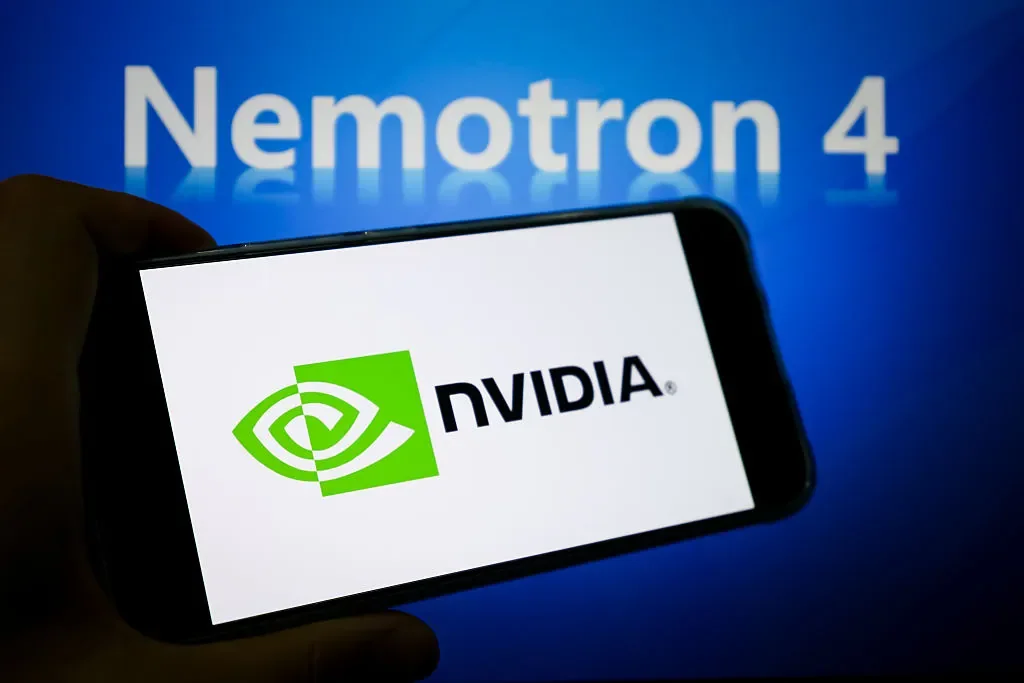
Within the company, Huang drove the creation of the Nemotron family of open-weight models designed for agentic systems and reasoning workloads. Internal sources indicate that leadership changes are not expected to immediately alter Nemotron development.
Huang also backed external ventures aimed at strengthening domestic open models, investing in startups such as Reflection AI and Thinking Machines Lab.
Beyond investments, Huang acted as a principal opponent to regulatory efforts in Washington seeking to limit the open AI landscape.
Earlier in the year, Huang coordinated an open letter signed by numerous technology firms urging regulators against over-restricting open-weight models.
The correspondence followed policy debates concerning intellectual property security and allegations involving foreign AI laboratories.
This market influence positioned Nvidia as a counterweight to closed-model developers like Anthropic and OpenAI, which have advocated for stricter regulatory oversight of advanced architectures.
Leadership Transition and Market Dynamics
With CFO Colette Kress stepping in as interim CEO, community members express concern that future leadership may adopt a more conservative posture toward open source initiatives.
The executive exit may empower policymakers pressing for stricter export controls on Chinese technology firms, placing additional scrutiny on past lobbying efforts.
Observers note that heavy restrictions on open-weight models could disadvantage competition against dominant firms maintaining proprietary systems.
Despite leadership changes, supporting open source remains an alignment with Nvidia's commercial incentives.
As key clients build custom hardware, maintaining a diverse ecosystem of developers is necessary to sustain hardware demand.
Increased model training and deployment translate directly to higher GPU sales and reduced reliance on a small group of frontier labs.
The central question remains whether Nvidia's strategic commitment to open ecosystems will persist without its primary architect.