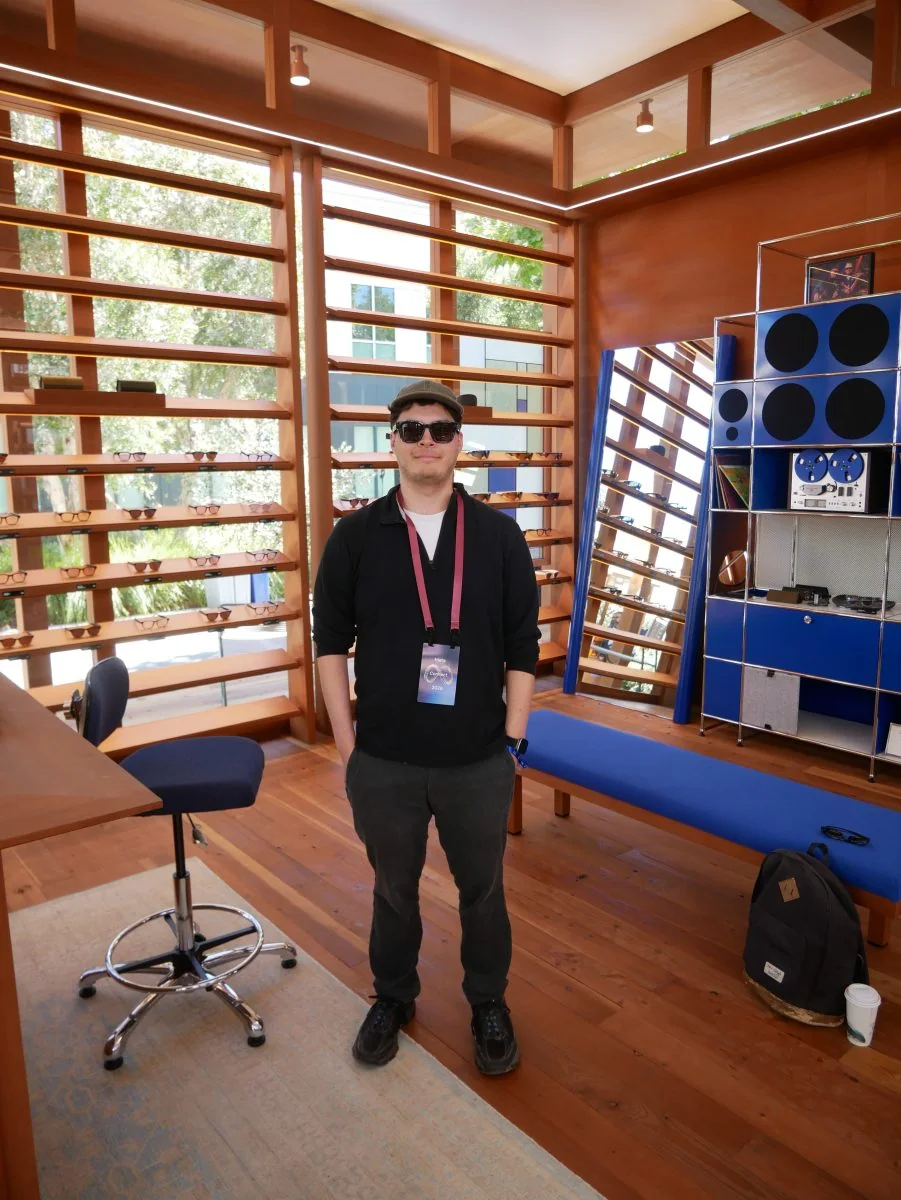
If there was one thing that was obvious from Meta Connect this year, it's that the social media giant is all-in on its burgeoning line of smart glasses.
Indeed, the glasses were ubiquitous at the annual event, where Meta showcases its latest hardware and artificial intelligence products. Both Meta staff and attendees frequently wore the glasses, and most company demonstrations involved the devices.
Attendees had the opportunity to try various models of Meta's advanced eyewear.
Among the products demonstrated were Meta's new, unreleased audio-only smart glasses. These were introduced after the company faced criticism regarding its camera-equipped smart glasses, with allegations of potential misuse for surveillance.
Designed to alleviate privacy concerns, these new glasses feature six microphones but no camera, and lack any native recording capability. They are also notably lightweight and comfortable.
Meta representatives highlighted the glasses' entertainment and communication functionalities, such as comfortable music listening and hands-free phone calls.
These smart glasses will also integrate with Muse, Meta's personal agentic system designed to perform tasks for the user. This upcoming integration allows verbal commands to Muse, with plans for personalized digital avatars to represent the agent.
During a demonstration, it became apparent that direct communication with the agent is crucial, as simultaneous conversations can lead to confusion and interruptions from Muse.
Despite initial interaction quirks, the Muse integration shows significant potential for hands-free digital task management, such as sending emails or managing to-do lists. The glasses can also function as a conversational AI, providing concise and accurate answers to queries.
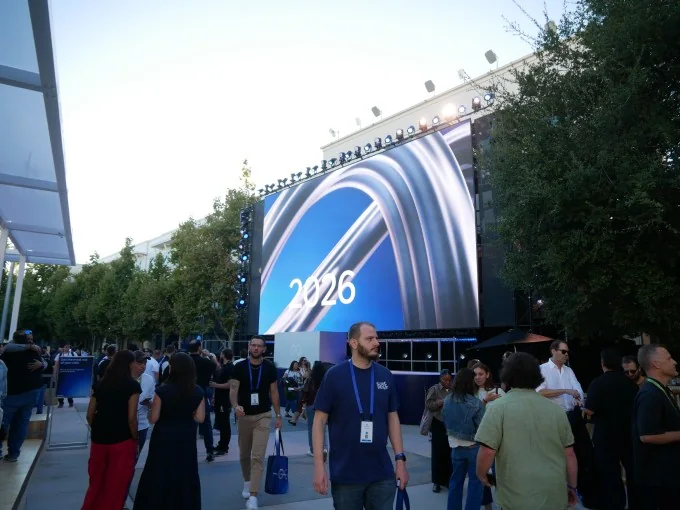
Another audio-only pair demonstrated were Meta's new glasses designed for the hearing impaired. This device addresses a practical need, given the widespread prevalence of hearing loss.
Image Credits:Lucas Ropek
A Meta research team member indicated these glasses have been in development for approximately five years and are projected to be significantly more affordable than traditional hearing aids, with an anticipated price of $150 compared to up to $1,600.
During a simulation of hearing loss, the glasses effectively amplified speech. They offer switchable amplification modes: a focused mode for direct conversations and an omnidirectional mode for broader environmental sound pickup.
Mark Zuckerberg's conviction that smart glasses represent the future is clearly reflected in Meta's efforts to realize this vision. Recognizing that smart glasses are still a niche market, Meta is pursuing a broad strategy to make its devices stylish, functional, and highly useful.
While enthusiasm for smart glasses was high at Connect, the broader adoption by the public remains to be seen.