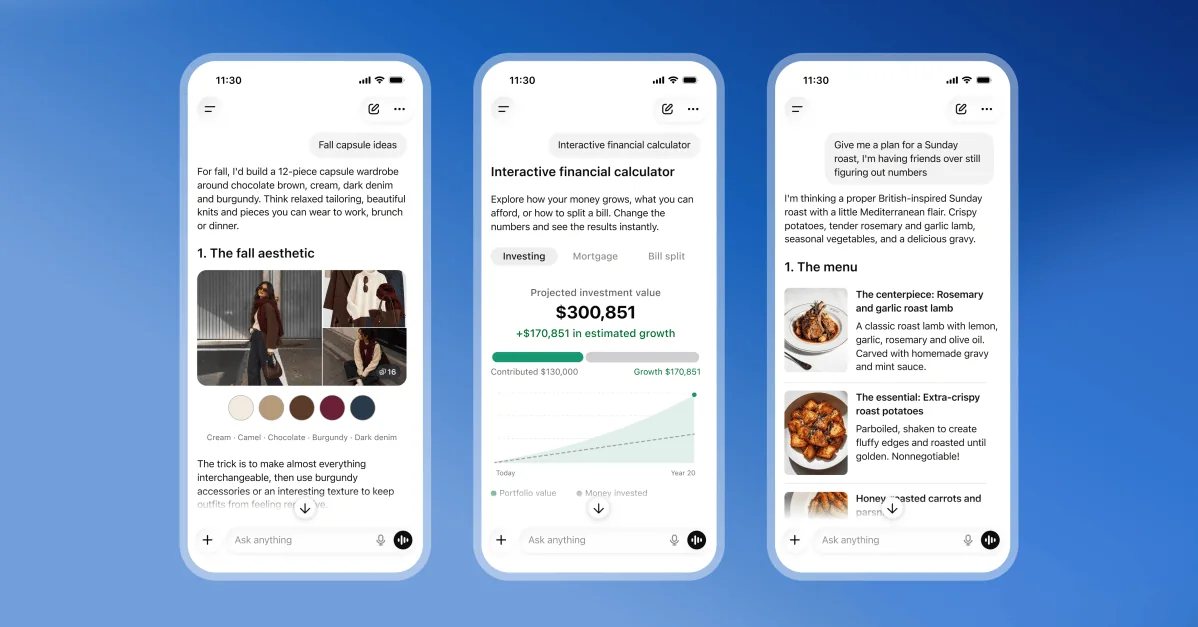
Muse Arrives on iPad
Meta has announced that its Muse assistant is now available in a dedicated iPad app, following its recent mobile launch.
Muse reached the iPad platform just a month after debuting on the iPhone.
Bringing the text-heavy interface of Muse to tablets involves fewer resolution and formatting constraints than media-heavy applications.
Growth and Capabilities
Since launching on iOS and Android on September 8, Muse has exceeded 6.6 million installs, according to estimates from market intelligence firm Sensor Tower. The application functions as a consumer-facing AI agent, enabling users to connect accounts to manage email, meetings, and bills, as well as handle tasks such as booking reservations, ordering groceries, and making purchases.
To facilitate these integrations, Meta utilizes partner modules known as connectors. Users can selectively sign in to these services based on the tasks they wish to delegate to the AI agent.
New Connectors and Retail Partners
With the iPad release, Meta has expanded its integration list to include tools aimed at small businesses and productivity, such as Asana, Canva, Dropbox, Figma, QuickBooks, GitHub, Klaviyo, Zoom, Notion, Granola, and Meta ad accounts.
Meta also added retail partners including Best Buy, Gap, Sephora, Walmart, and Wayfair, enabling the agent to complete transactions on user behalf. However, early implementations can encounter obstacles when websites mistake automated agents for malicious bots and block access.
Standardizing Agent Identification
To address bot-blocking issues, Meta is collaborating with industry partners on an open standard that allows personal AI agents to properly identify themselves to businesses, helping distinguish legitimate automation from unauthorized traffic.