Quarterly Financial Ties
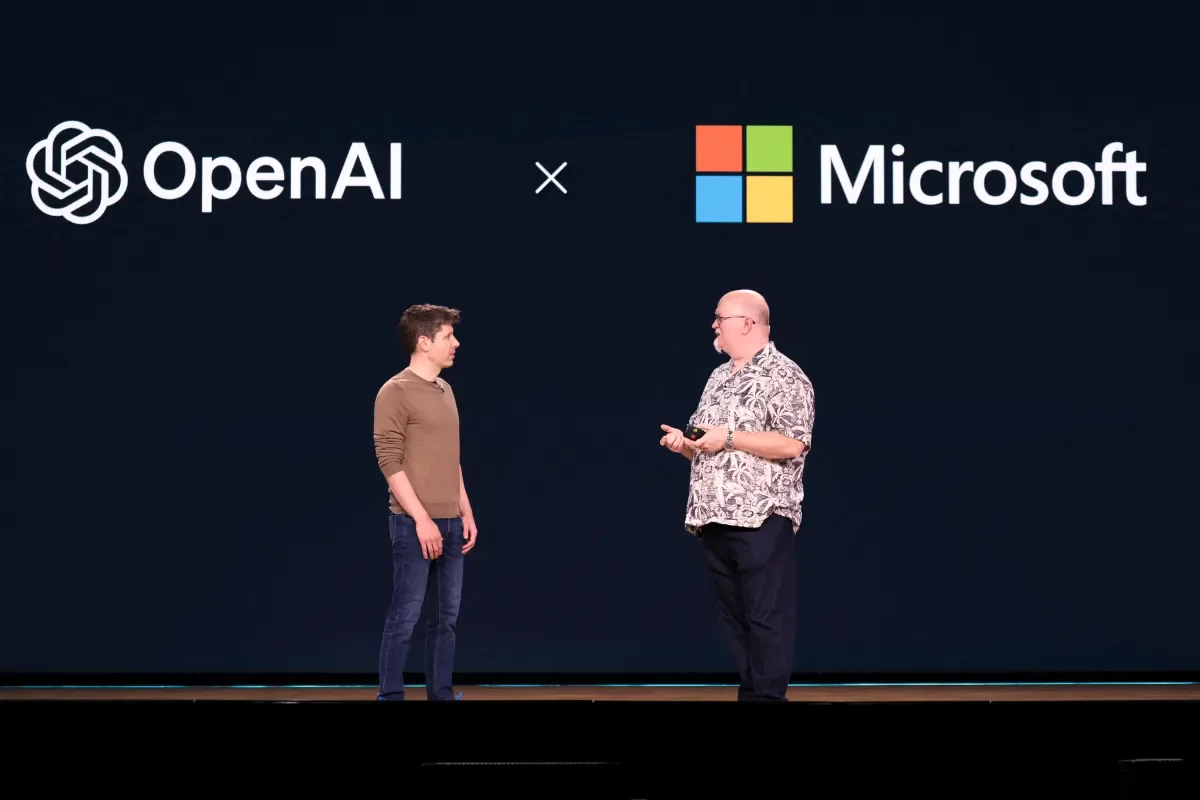
Microsoft generated $10 billion in revenue from commercial arrangements with OpenAI, including revenue-sharing payments, in the quarter ended September 30, according to a regulatory filing. That represents nearly 11% of Microsoft’s total quarterly revenue of $92.3 billion, highlighting the ongoing financial ties between the two companies as they increasingly compete for overlapping customers.
Microsoft’s financial year begins in July, making the quarter ended September 30 the first period of its fiscal 2027.
Annual Projections
For the full 2026 fiscal year, revenue from OpenAI reached $24.1 billion. At its latest quarterly pace, Microsoft would pull in $40 billion annually from OpenAI-related arrangements.
Microsoft also reported $7.2 billion in outstanding receivables from OpenAI at the end of September, up from $6 billion at the end of June. That figure represents amounts OpenAI owes for previous transactions rather than newly generated revenue.
Revenue Streams and Agreements
The exact breakdown between revenue-sharing payments and Azure cloud computing services remains undisclosed. Leaked documents from previous reporting indicated that Microsoft had received substantial net revenue-sharing payments during earlier periods.
OpenAI reportedly shares a portion of its revenue with Microsoft as part of a previous deal tied to multi-billion-dollar investments. Under an updated agreement, OpenAI continues sharing revenue through 2030, subject to a cap, while gaining the flexibility to work with competing cloud providers.
Partnership Evolution
The companies began loosening their exclusive partnership structure to give the startup more freedom to partner with alternative cloud providers. In exchange, OpenAI committed to purchasing substantial Azure services as part of their revised agreement.
Microsoft’s equity stake in OpenAI declined slightly from about 25% in June to 24% in September, continuing a gradual dilution following earlier recapitalization events.