Data Center Cooling Challenges
U.S. data centers use 17 to 19 billion gallons of water to cool their hot-running chips each year, and that figure is projected to triple over the next five years, according to data from The Water Foundation.
Managing cooling fluids efficiently is becoming increasingly critical as investors commit billions to AI infrastructure scaling. Traditional monitoring methods rely on sending fluid samples off-site to a laboratory, resulting in a multi-day testing delay.
Omen AI Acquisition
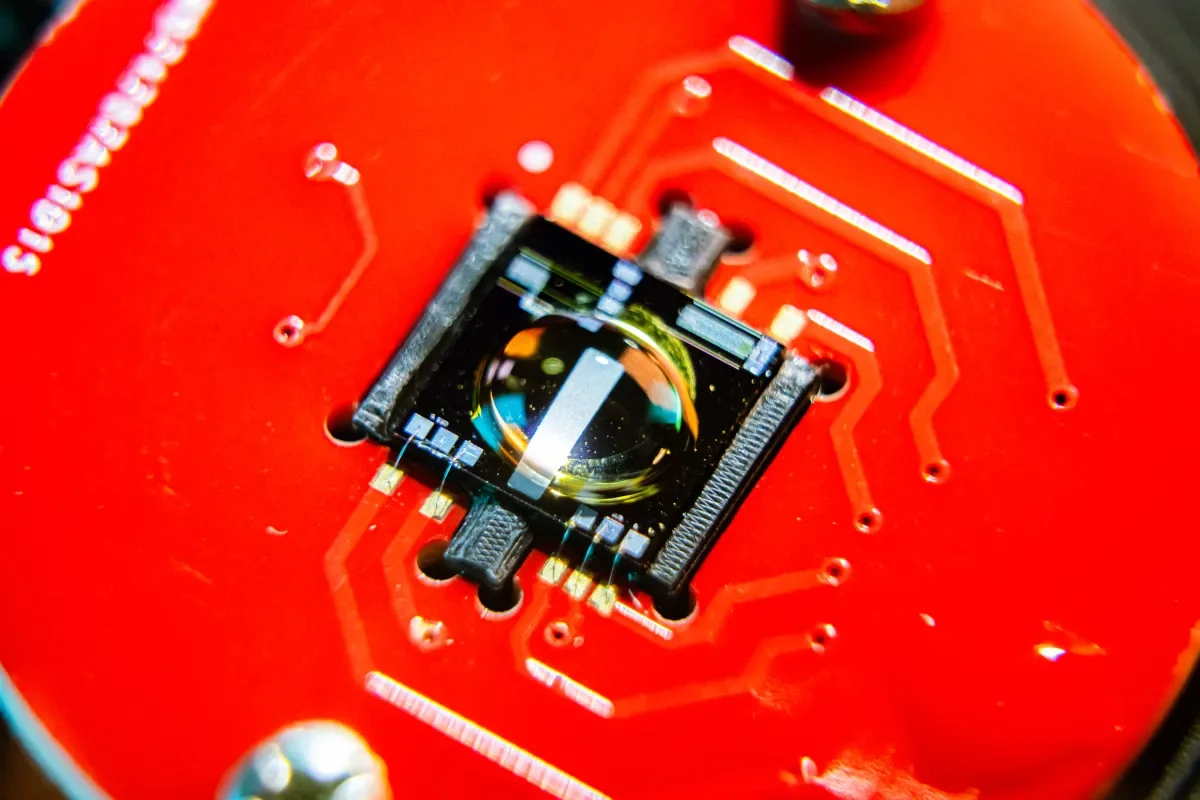
Founded in 2024, Omen AI is developing real-time sensors designed to detect valve failures and bacterial growth that could restrict water flow. Following a $31 million Series A funding round in June, Omen is acquiring competitor Aquatic Labs in a $16 million cash-and-stock agreement.
The acquisition followed an introduction between Omen founder Zach Laberge and Aquatic Labs CEO Allan Adams. Both early-stage ventures developed complementary real-time water sensors: Omen focused on detecting specific elements in the water, while Aquatic Labs measured alkalinity.
Combining these technologies yields a more comprehensive analysis of fluid conditions, supporting the shared objective of automating a traditionally manual and slow testing process.
The leadership team brings distinct backgrounds to the venture. Laberge previously founded a company focused on fluid analysis for heavy construction hydraulics, while Adams is a former MIT professor and Woods Hole Oceanographic Institute researcher specializing in ocean sensing technology.
Product Roadmap and Deployment
With Adams serving as chief science officer, the integrated team is developing a unified sensor scheduled for market release by early next year. Omen expects its sensors to monitor chips drawing 250 to 300 megawatts of power by the end of the year, targeting deployment across one gigawatt of chip infrastructure by the end of 2027.
Continuous monitoring helps maintain operational uptime. When fluid systems drift out of optimal parameters, data center operators often resort to dumping water to prevent hardware damage, requiring temporary shutdowns. Enhanced monitoring allows operators to safely extend fluid lifespan and reduce cleanup expenses.
Adams notes that the technology's potential extends beyond data centers, noting the importance of ensuring that water exiting data facilities and entering municipal systems is managed safely.
Infrastructure Market Sentiment
Despite recent investor caution and shifting market sentiment regarding projected multi-trillion-dollar AI infrastructure spending, Omen's leadership remains confident, noting that their technology targets facilities that are already constructed or currently under development.
Projects currently underway were financed previously, insulating near-term demand. Even with market adjustments, leadership views data centers as a foundational component of modern computing infrastructure.