The Rise of AI-Powered Smart TV Customization
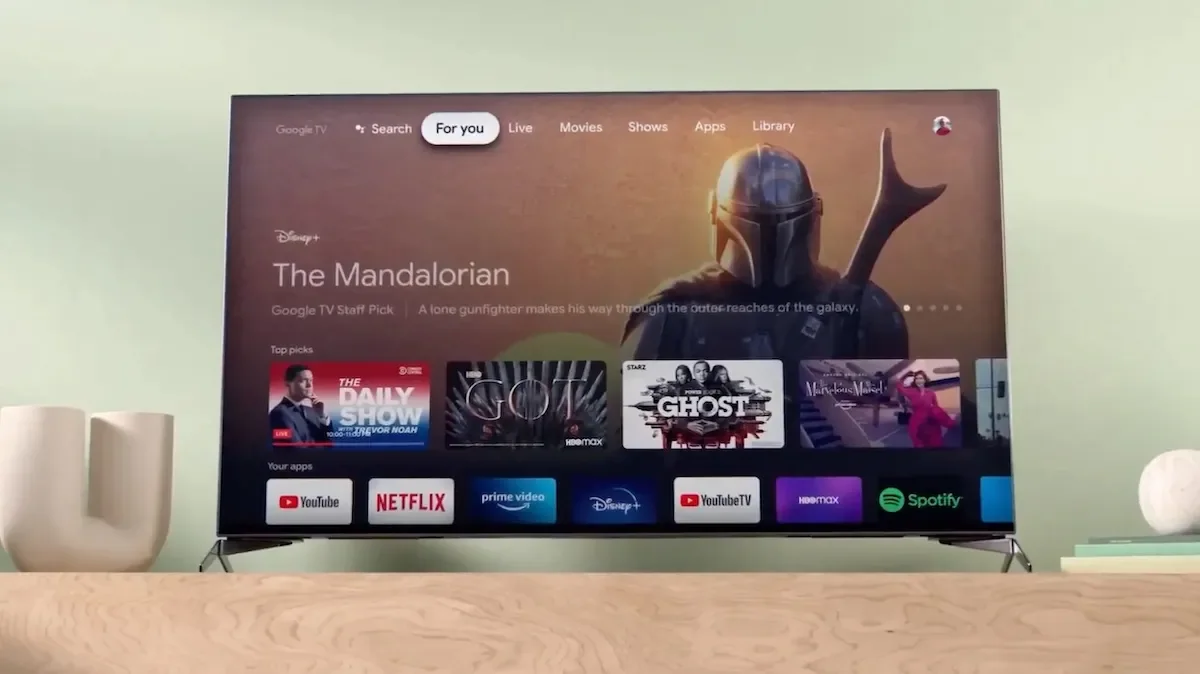
The latest use case for AI involves stripping bloatware from smart TVs. Developers and users have recently shared solutions for modifying TV systems to eliminate sponsored ads, speed up app launchers, redesign home screens, and disable tracking features.
One such solution, called dumbtv, states its mission on its repository page: to ensure the TV performs basic functions like running apps and handling HDMI inputs without internal ads, watch tracking, or unauthorized updates.
Another project, cleanyourtv, aims to remove bloatware from Android TV or Google TV devices over Wi-Fi and replace the default launcher with an interface resembling Apple TV.
User Frustration and Technical Accessibility
While hacking consumer electronics for system control is not new, recent AI advancements have made these modifications more accessible. These modifications emerge as users grow increasingly frustrated with mandatory ads and viewing habit surveillance.
Modern smart TVs often integrate Automatic Content Recognition technology, which identifies on-screen content via screenshots, audio clips, or digital fingerprinting.
If these custom modifications gain traction among consumers, they could impact the smart TV advertising sector, which relies on selling viewing data to advertisers and displaying targeted advertisements.
Implementation Methods and Developer Motives
According to Gathin T., creator of cleanyourtv, the project began after he sought to clear ads from his parents’ television set.
The developer noted that the AI cleaned the system over Wi-Fi to build a simplified home screen containing only designated applications, subsequently drawing interest from thousands of users across multiple TV brands.
The modification process does not require root access, leaving users the option to restore the device to its factory default state if needed.
Similarly, the dumbtv solution has been tested on Fire TV, Android TV, and Google TV platforms across various hardware brands, with developers recommending users direct AI coding agents to the public code repositories.
Developers reported using a combination of language models to build and maintain these cleanup utilities.
Risks and Limitations
These solutions remain works in progress, with users continuing to test them across different television platforms and suggesting fixes.
Users can also interact directly with AI agents to generate custom modification scripts without relying on pre-packaged repository solutions.
Some users have shared examples of asking coding agents to inspect TV specifications and guide them through removing bloatware, speeding up lagging user interfaces, and customizing screensavers.
Demonstrations online highlight significantly faster interface responsiveness after executing AI-guided modifications.
Other users reported disabling dozens of background applications and replacing stock launchers with lighter custom alternatives.
However, results can be inconsistent. Some users noted that basic prompts required refinement, while others warned that AI agents might make errors, disable essential system packages, or render devices unresponsive.
For consumers hesitant to use AI for system modifications, traditional alternatives such as third-party home screen replacement apps remain available.
As these tools evolve, they highlight an ongoing consumer demand for simpler, ad-free interfaces on modern consumer electronics.