SpaceX and Tesla have formed special committees to discuss a potential corporate merger, a move driven largely by shared ambitions in artificial intelligence, robotics, and heavy infrastructure.
The AI Alignment Between SpaceX and Tesla
The rationale behind merging the two companies centers on overlapping technological goals. Both entities require massive amounts of advanced computing power, particularly Nvidia chips, to train machine learning models and power autonomous systems.
Financial Realities and Infrastructure Costs
While Elon Musk emphasizes long-term visions involving robotics and space expansion, financial analysts point to significant capital expenditure requirements. Combined capital spending for both companies remains exceptionally high relative to current revenue generation from traditional automotive and aerospace sectors.
The degree to which observers find the merger compelling often depends on their outlook regarding long-term technology timelines. Automated systems requiring minimal supervision are positioned as foundational to future deployments, linking Tesla's autonomous vehicle research with SpaceX's compute initiatives.
Executives have highlighted potential synergies in developing superintelligence software, though critics note that current revenue streams remain heavily anchored in traditional infrastructure rentals and compute leasing.
Tesla's recent financial results have shown declining profits as the company shifts primary focus away from standard consumer vehicles toward robotics and self-driving software initiatives.
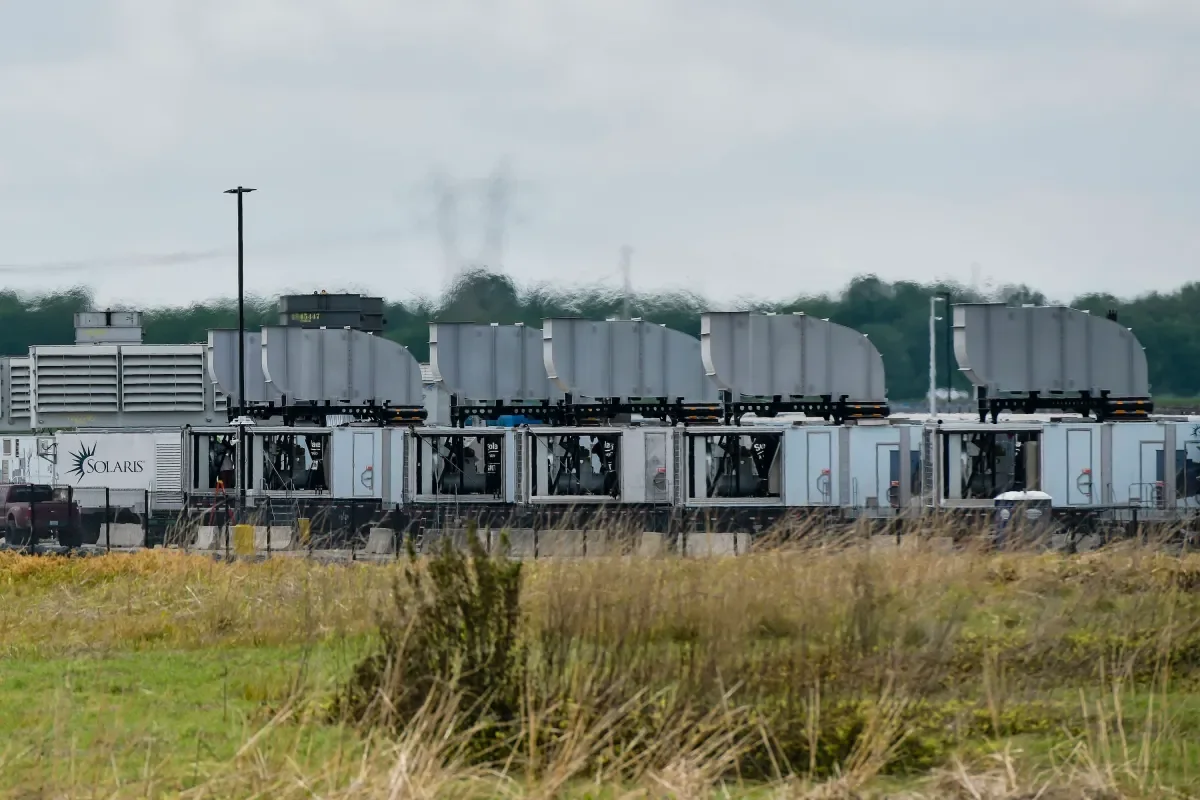
SpaceX has similarly expanded its revenue base through AI and cloud infrastructure services, leasing compute capacity to major frontier model developers while scaling its underlying data center footprint.
Enterprise adoption of internal AI tools contributes to these figures, though precise breakdowns between bare-metal compute revenue and proprietary software sales remain integrated within broader corporate reporting.
Joint ventures such as specialized chip-making initiatives and simulation projects illustrate ongoing technical cooperation, though many timelines remain subject to regulatory review and execution milestones.
Governance and Control Implications
From a corporate governance perspective, a stock-for-stock merger where SpaceX acts as the acquirer would consolidate voting control under Musk, addressing the lower voting share percentage he currently holds at Tesla.
Legal experts note that corporate registration in states with strict limits on shareholder litigation could influence how easily such a transaction proceeds through legal challenges.
Observers have noted a history of ambitious timelines set across both organizations, making execution schedules a primary point of discussion for institutional investors evaluating the proposed deal.
Regulatory scrutiny regarding antitrust considerations and national security implications will likely shape the final structure of any formal merger agreement.
Proponents argue that unifying these operations eliminates internal conflicts of interest over scarce hardware resources like specialized AI chips.
Disclosures in upcoming regulatory filings are expected to provide further clarity regarding valuation terms, intellectual property sharing, and financial integration.
Market Reception and Outlook
Market reactions to the proposed merger reflect a division between retail investors who support long-term technological visions and institutional stakeholders focused on near-term balance sheet health.
As discussions continue between the special committees, the ultimate outcome will depend on valuation agreements, regulatory approvals, and the ability of the combined entity to manage substantial capital expenditures.
Access to capital markets remains robust for projects associated with advanced computing infrastructure, providing potential financial backing for the merged corporate strategy.
Consolidating AI development under a single management structure could streamline resource allocation across automotive, aerospace, and data center divisions.
Credit investors assessing the combined entity will weigh the capital-intensive nature of hardware manufacturing against tangible physical assets and established market positions.
Infrastructure buildouts of this scale require continuous investment, making operational efficiency a central factor for long-term viability.
Supporters of the transaction emphasize that reducing administrative friction between closely linked companies is a logical step for organizations sharing technical talent and hardware requirements.
A unified command structure would allow leadership to prioritize projects based on enterprise-wide value rather than individual corporate boundaries.
However, minority shareholders may face dilution depending on the final equity exchange ratios established by the negotiating committees.
Macroeconomic factors and shifts in investor sentiment regarding artificial intelligence technologies will likely influence the timing of any formal announcement.
Voting structures across the two companies differ significantly, with special voting shares granting substantial executive influence in one entity while standard equity prevails in the other.
This disparity creates unique dynamics for any stock-for-stock transaction designed to alter the overarching governance framework.
Valuation thresholds tied to executive compensation packages add another layer of complexity to the ongoing negotiations.
Jurisdictional factors regarding corporate law continue to play a major role in shaping how legal challenges from shareholders are managed.
Federal disclosure standards will require comprehensive information sharing with investors prior to any formal shareholder vote.
Personal equity gains and changes to existing compensation milestones will also be factored into financial assessments of the transaction.
Specific valuation targets will determine whether certain operational milestones and share vesting schedules accelerate upon a change of control.
Independent financial analysts continue to scrutinize the cash flow implications of funding aggressive capital expenditure programs across both organizations.
Ultimately, the success of the proposed combination will rest on execution capabilities and the sustained market demand for advanced computing and autonomous systems.