The HBM Loophole
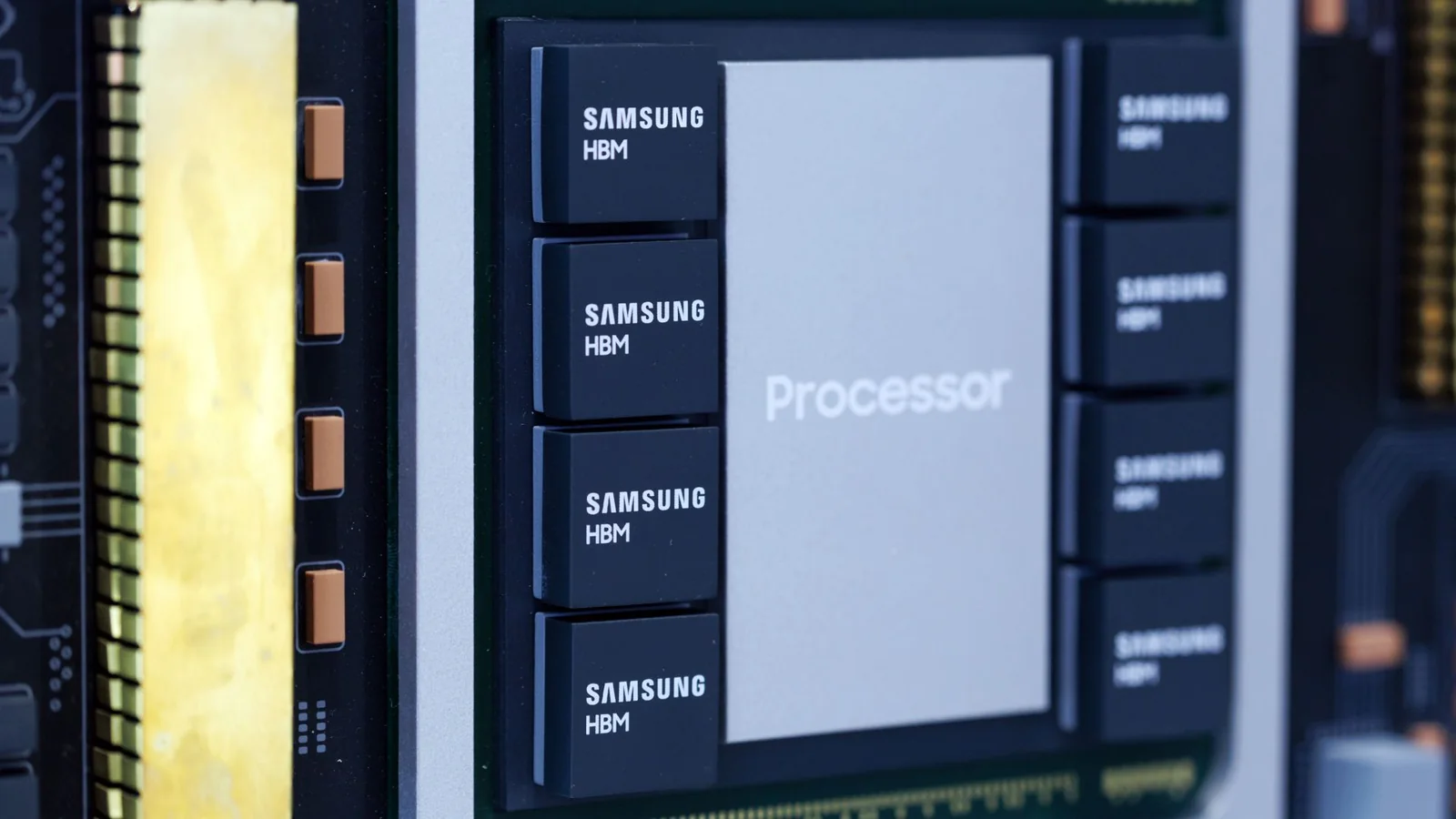
A memory smuggler has detailed how export-controlled HBM chips from South Korea are transported into China using a regulatory loophole. Operating through a chip design firm, the smuggler builds cheap, low-performing processors that circumvent current U.S. and South Korea export controls. These units are paired with expensive HBM from Samsung and SK hynix, which are individually banned for export. Because current trade rules evaluate only the performance metrics of the server processor rather than attached components, the high-end memory slips past restrictions.
Border Transport and Extraction
Once these processors land in Hong Kong, they are carried across the border into Shenzhen by daily commuters. In local workshops, technicians apply heat to soften the solder, remove the crucial memory chips, and discard the rest of the hardware. Despite a significant failure rate, the exceptionally high market price of HBM chips makes the procedure highly profitable.
Soaring Market Prices
Shenzhen-based brokers facilitate transactions between suppliers and Chinese firms facing memory shortages. A single HBM3E unit commands roughly $4,000 on the black market. With modern AI accelerators requiring six to eight memory stacks, brokers can generate between $24,000 and $32,000 per modified GPU.
Domestic Production Bottlenecks
Chinese AI laboratories face severe memory supply constraints. While domestic manufacturer CXMT has initiated risk production of HBM3E with mass production targeted for the end of the year, low yields keep procurement costs elevated. For example, Huawei’s Ascend 950DT processor retails near $37,000, delivering pricing comparable to Nvidia’s B200 while offering roughly half the performance of the older H100 architecture.
Future Supply Pressures
Huawei has indicated that its upcoming flagship AI processor, the 960DT, will target H100-level performance. However, lacking direct access to Samsung and SK hynix inventory and facing capacity constraints from domestic suppliers, the company has instructed customers to source their own HBM modules. This requirement is expected to further intensify black-market demand and drive up prices.
As this method gains traction, operators anticipate increased enforcement from South Korean and U.S. authorities. Washington has intensified scrutiny on illicit semiconductor transfers, resulting in high-profile arrests involving tech executives. With neighboring jurisdictions like Taiwan and Malaysia also tightening anti-smuggling protocols, market participants expect Seoul to follow suit.