Undersea Vulnerabilities
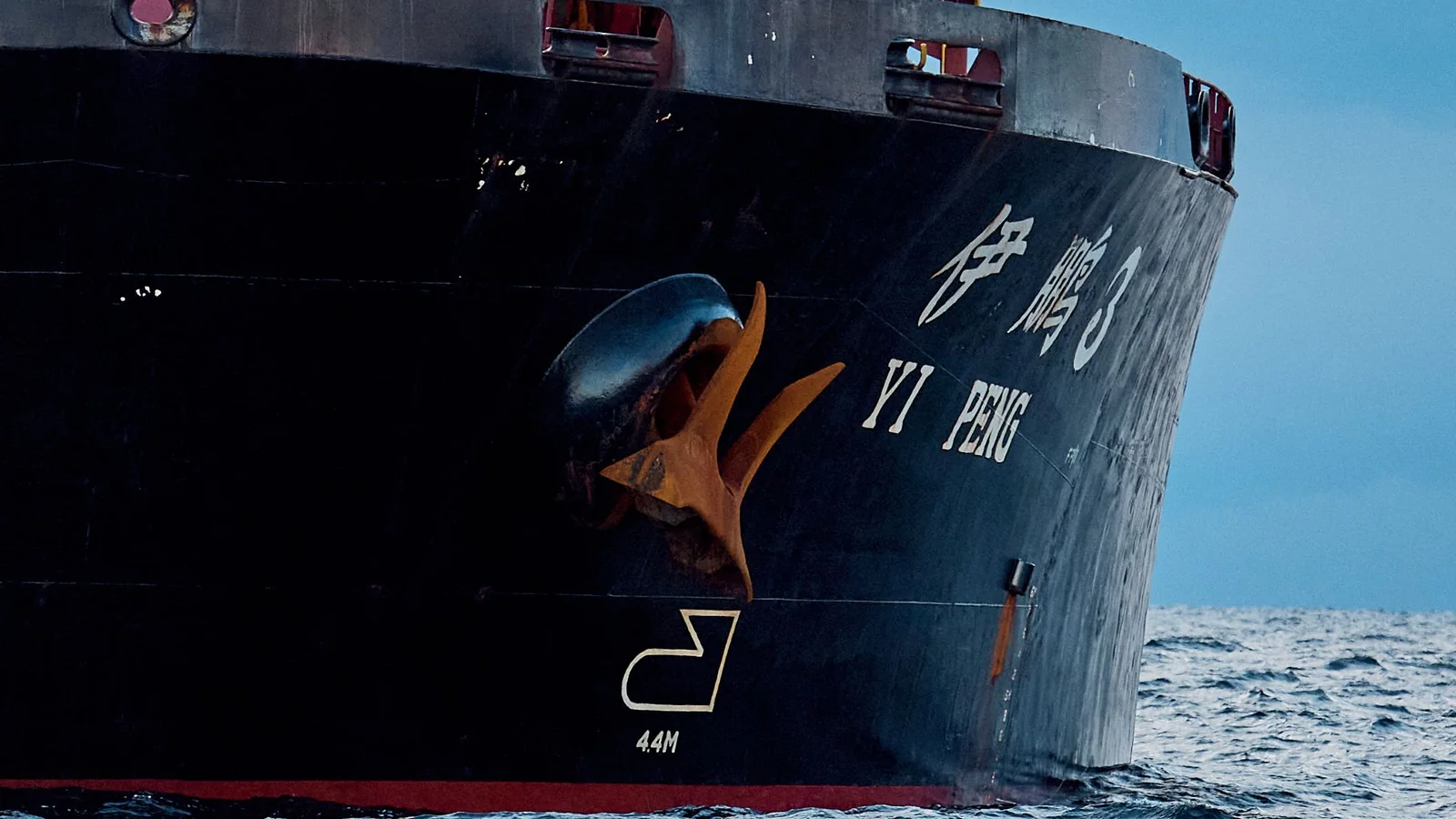
China is loitering over undersea cables in gray-zone warfare against neighboring countries, as well as the U.S. and its allies, as it seeks to dominate the South China Sea. Several incidents suggest the PRC is actively mapping the seafloor for vulnerabilities and using civilian research vessels to do so.
A serious incident in September saw the Philippine Coast Guard respond to a Chinese research vessel close to an undersea cable. The vessel reportedly ignored radio contact while broadcasting a false ID before manoeuvring to evade capture. The Philippines sent its largest vessel to respond, spotted 37 nautical miles away from the Batanes province. A Chinese coastguard ship also intervened, with Beijing complaining of harassment afterward.
There have been no confirmed reports of Chinese attacks on undersea cables, but it is not the first report of Chinese attempts to map regional undersea infrastructure. A report by the Center for Strategic and International Studies found that Chinese research ships were spending more time loitering near cables than any other nation, with efforts described as disproportionate.
Capabilities and Response
A U.S. congressional report highlighted that China is actively developing techniques to cut cables, pointing out that Chinese research teams had publicly disclosed details of electric cutting devices capable of severing armored cables as deep as 13,000 feet underwater.
Ryan Claffey, a research assistant for the Center for a New American Security, believes a coordinated response is required to stop Chinese actions in the region. Claffey warns that subsea cables are digital lifelines and argues that allies must protect them in peacetime to stay connected during a crisis.
The People's Republic of China maintains maritime disputes with several countries in the region, including claims over Taiwan, alongside territorial disagreements with the Philippines, Vietnam, Malaysia, Brunei, and Japan.
Authoritarian nations have stepped up operations against undersea infrastructure globally. Russia has used fishing trawlers for years to loiter over communication cables in Europe, while Iran has threatened to attack undersea cables in the Strait of Hormuz during wartime.