An Open-Source Revolt Against Enterprise SaaS
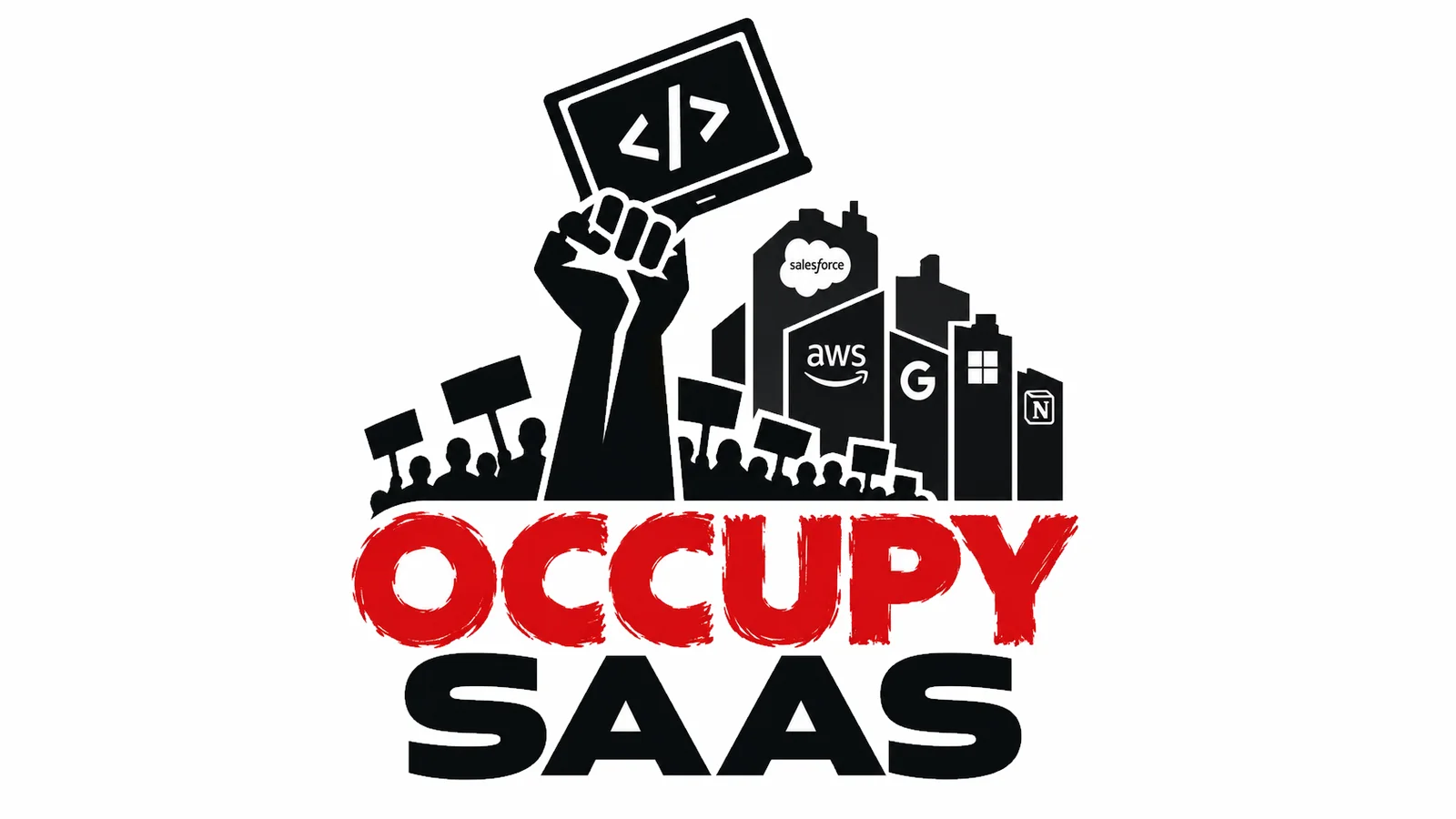
AI-powered software cloning has emerged as a major trend. Tired of subscription models, price hikes, and shifting software quality, users and developers are launching targeted rebellions. OccupySaaS represents a new user-led effort to build clean-room, open-source reimplementations of common commercial services using AI development tools.
Current initiatives under the project aim to replace Auth0 and Salesforce with alternatives named ZeroAuthy and SalesCompel. Because these services operate entirely on company servers with no binaries available to examine, reimplementations rely on public documentation, APIs, development kit behaviors, and open standards. The project targets API-compatible drop-in replacements where applicable.
The project enforces strict development ethics and requirements. All work must be conducted via clean-room reimplementation, forbidding any decompiled code, confidential information or source code from previous employers, and the copying of user interface assets or trademarks.
Development Challenges and Target Services
Creating software through clean-room methods presents unique challenges and advantages. Success ultimately depends on processing user inputs to produce the exact outputs generated by the original software, guided strictly by documented specifications.
However, hosted software often acts as a black box containing obscure internal behaviors and edge cases. Drop-in replacements must often reproduce existing API bugs to ensure full compatibility with established workflows.
Beyond authentication and CRM tools, OccupySaaS intends to target document and wiki management, issue tracking, feature flagging, server observability, and customer support platforms, pointing toward potential open-source alternatives for enterprise tools.
Technology Stack and Self-Hosting
The project utilizes Go as its primary language, chosen over alternatives for its ability to compile and link all dependencies into a single binary. This design removes external installer requirements, simplifying packaging for Docker containers and self-hosted environments.
While rented SaaS models generally offload infrastructure maintenance, the Apache 2.0 licensing used by OccupySaaS allows external entities or independent providers to host and manage instances for users.
The project is led by experienced software engineering and project management professionals, framing its mission around the argument that traditional per-seat licensing models can restrict organizational growth.