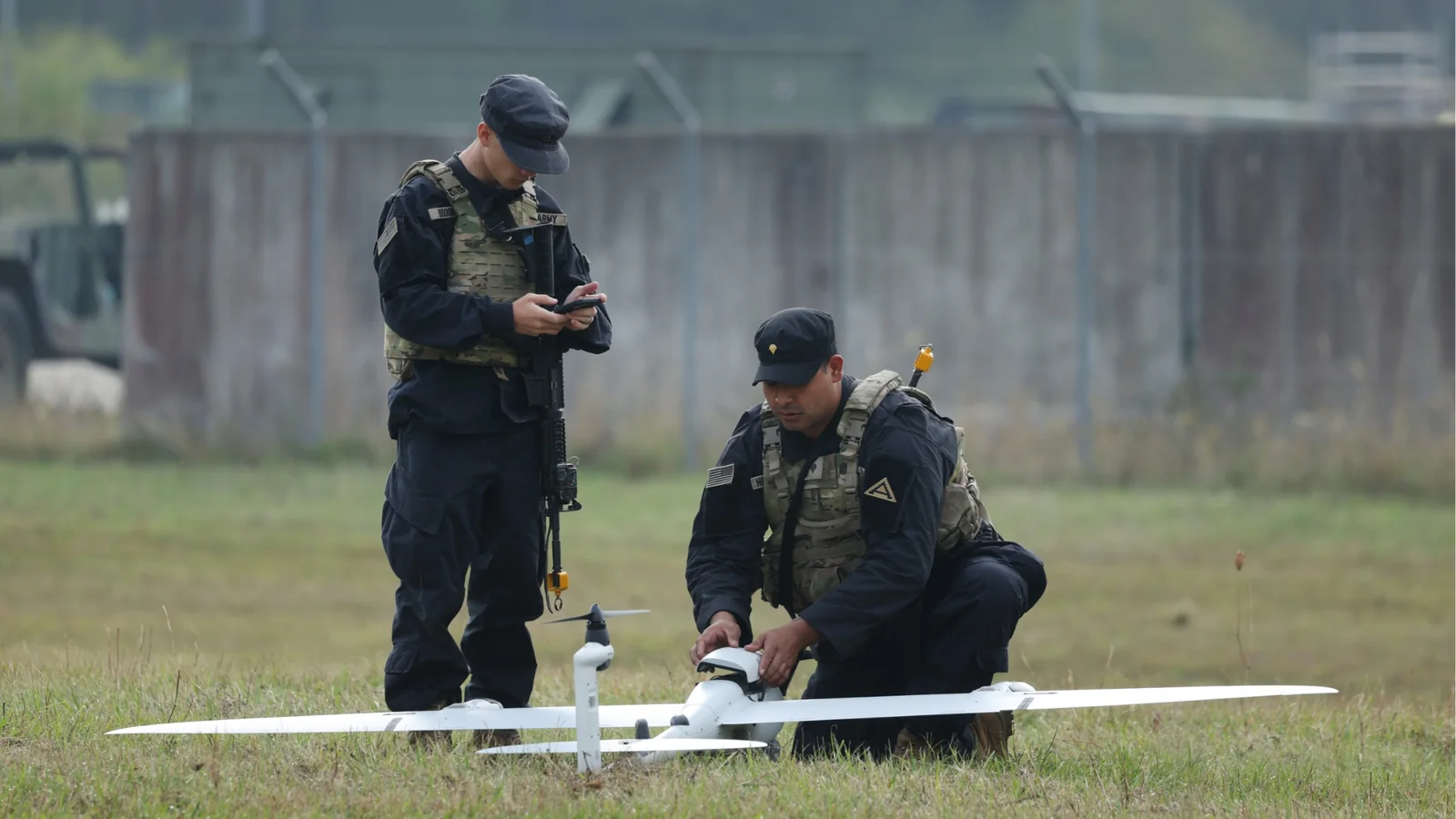
VICTOR Drone Flight Test
Researchers at the U.S. Army Combat Capabilities Development Command Army Research Laboratory recently successfully flew the VICTOR hybrid electric drone with a heavy-fuel rotary engine, developed through metal 3D printing to extract higher performance from a dense military fuel source.
The heavy JP8 fuel utilized in the drone is a dense kerosene-based propellant designed to reduce total fuel load and improve mileage, aligning with military initiatives to power gas equipment on a single fuel source. However, JP8 is less volatile and more difficult to atomize, featuring a flash point of 140 degrees Fahrenheit that requires higher engine compression and creates pressure leak challenges.
Advanced Engine Engineering
To optimize the heavy-fuel rotary engine, research teams used computational fluid dynamics and a clean-sheet design approach, enabling innovative configurations to maximize engine output while minimizing physical footprint.
Advanced manufacturing techniques like metal 3D printing allowed engineers to rapidly redesign components based on experimental data. This approach facilitated the creation of an air-cooled engine that eliminated the need for a bulky liquid cooling system, simultaneously improving fuel atomization and reducing compression leaks.
Hybrid Propulsion Architecture
The heavy-fuel rotary engine does not drive the propellers directly. Instead, it spins a 400-volt motor-generator to produce electricity for the propeller motors, allowing the engine to operate independently at optimal RPMs in a manner similar to modern hybrid vehicles without a mechanical drivetrain link.
The VICTOR platform is a vertical take-off and landing unmanned aircraft capable of operating without a runway. Air-cooling adds a layer of operational robustness by removing the maintenance overhead typically associated with liquid cooling loops.