Deployment in US Cities
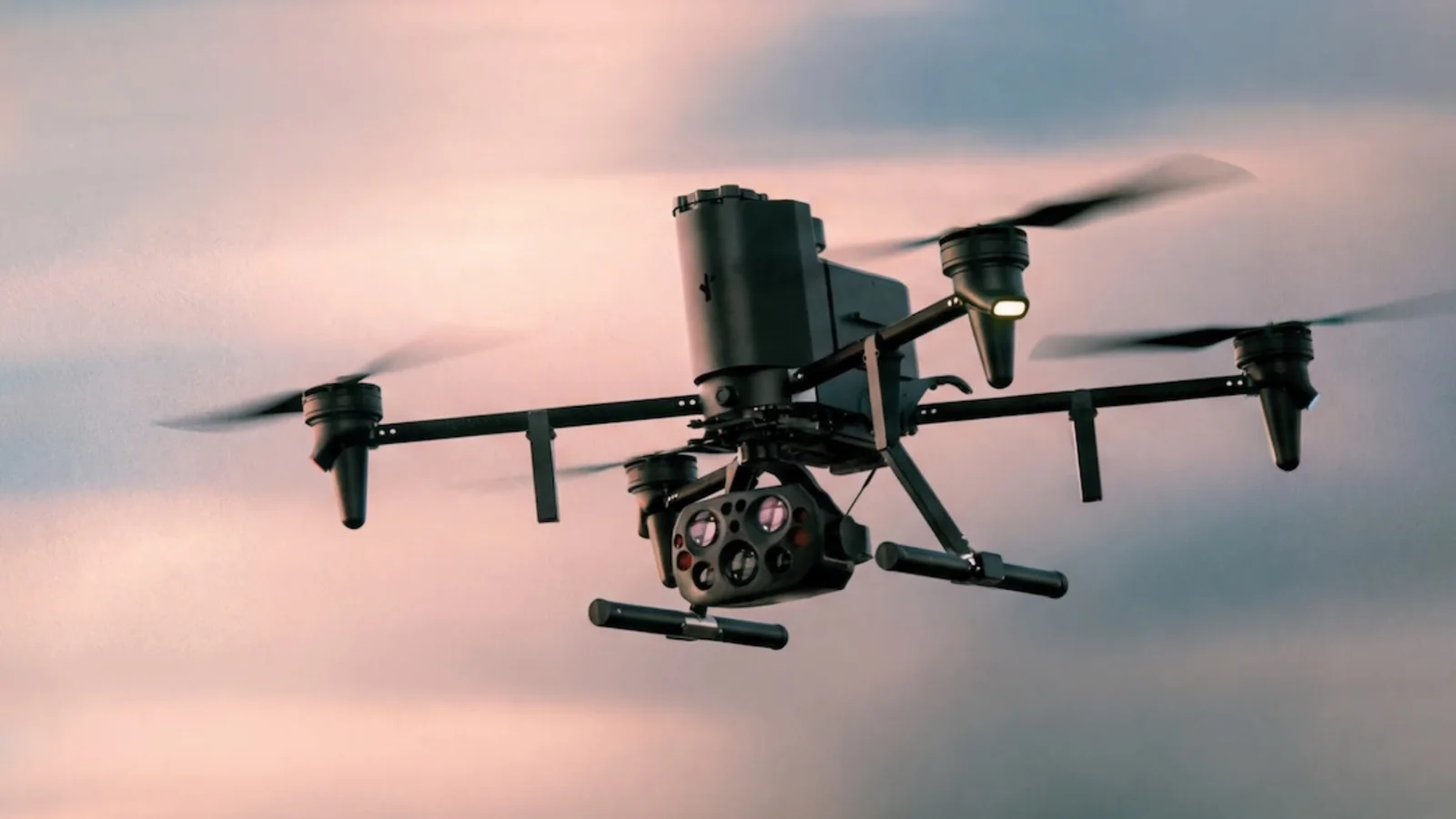
Several towns and cities in the U.S. are experimenting with Flock’s Drones-as-First-Responder system, which employs remotely operated drones that automatically launch from rooftop docks. These units are integrated into emergency services systems, which can send drones in response to a 911 call, license-plate reader notification, or gunshot-detection alert. Once in the air, these units stream live footage to dispatchers and officers in the field.
Flock initially gained this capability when it purchased drone firm Aerodome, which sells drones with high-definition video, thermal imaging, and other onboard capabilities. Other companies are also advertising similar services, including startups offering Starlink-connected first responder drones that operate outside the range of base stations.
Pilot Programs and Results
Cities considering, piloting, or contracting Flock's DFR system include Fort Worth, Texas; Castle Rock, Colorado; Dunwoody, Georgia; Fulton County, Georgia; and Middletown, Connecticut. Fort Worth reported that during a two-month pilot program, its drone was deployed to 162 emergency 911 calls with an average response time of 112 seconds. It was the first unit to arrive in 76 calls and allowed authorities to clear 11 calls without sending officers to the scene. The city noted that these units only respond to dispatched calls rather than patrolling, and onboard cameras remain pointed at the horizon until reaching the scene.
Controversy and Privacy Measures
The company has faced controversy regarding potential misuse and data security, though the company maintains it has never suffered a breach. Middletown Police Chief Erik Costa stated that the drone's purpose is first response rather than surveillance, adding that footage would not be shared outside the building without a search warrant and unused recordings would be erased within 30 days.
Rejections and Public Pushback
Conversely, other cities have rejected offers to run Flock’s DFR service. Berkeley, California, declined a two-million-dollar proposal that would have expanded license-plate cameras to include drones and software, while Bridgeport, Connecticut, rejected a lease for two DFR drones. Middletown's mayor also declined to sign a contract despite an approved trial. Refusals are primarily driven by privacy concerns and fears that gathered data could be accessed by federal authorities without a warrant, despite Flock's denials of working with U.S. Immigration and Customs Enforcement.
While emergency responders utilize these services, opposition stems largely from a lack of trust in the company and utilizing institutions rather than the physical drones themselves. Without addressing these underlying concerns, overhead surveillance technologies will likely continue to face public resistance.