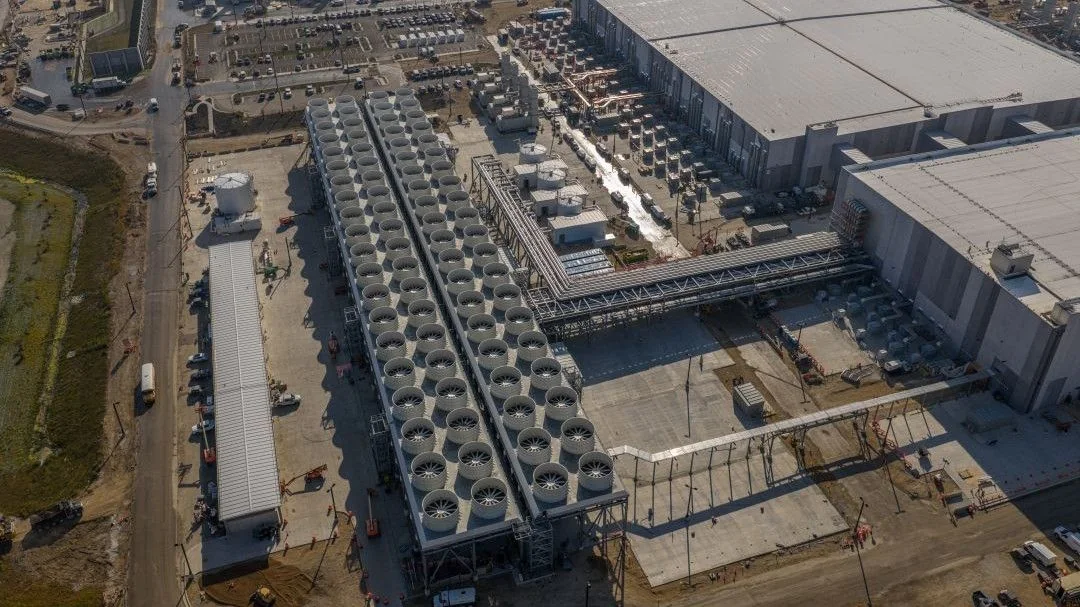
Biomimicry and Ecosystem Integration
Microsoft’s biomimicry program is reshaping the land around its data centers with restored wetlands and native gardens to help the buildings blend into local ecosystems at 20-plus sites. Critics question the company’s motives after recent energy deals, such as a 20-year agreement inked to buy power from a planned Chevron gas plant in West Texas. Public Citizen’s Texas director characterized the plan as cosmetic mitigation amid heavy power demands.
Microsoft states the approach is now part of all new projects in the U.S. and Germany. The goal is to blend data centers into the natural landscape by gauging community input and using ecological research to map local environments. The company uses an Azure-based tool called Ecosystem Intelligence to score site features including water quality, biodiversity, and noise abatement.
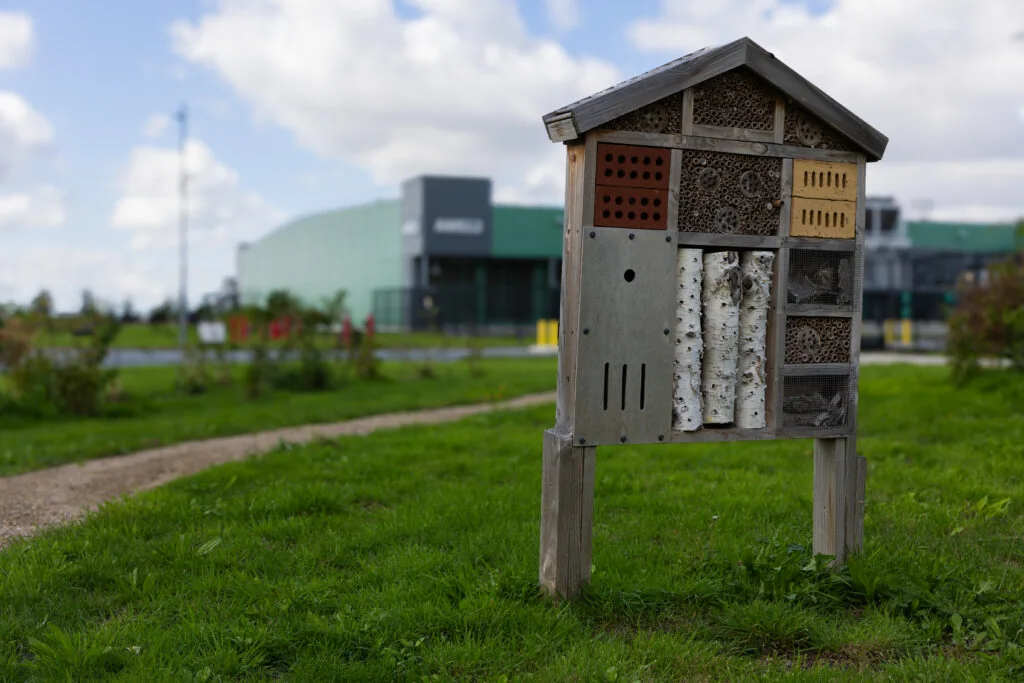
Solutions are customized to local habitats to restore what was lost, while plant buffers help quiet data center humming and minimize visual impact on nearby communities. Named sites include Mecklenburg County, Virginia; Mount Pleasant, Wisconsin; East Point, Georgia; Bedburg, Germany; and projects in Ohio, North Carolina, and Wyoming.
Local Projects and Community Concerns
The Mount Pleasant site, home to the Fairwater AI data center campus, features 100 acres of prairie and forest in a Lamparek Creek restoration developed alongside the Root-Pike Watershed Initiative Network. The facility incorporates stormwater ponds with forebays designed to retain sediment and accommodate the local environment.
Local officials in other regions have cited ongoing concerns regarding traffic and environmental impacts, such as tree removal, following approvals for major tract clearing to accommodate expanding data center infrastructure.
A company spokesperson noted investments in woodland and pollinator prairie restoration projects intended to leave land productive. While some municipal leaders have proposed temporary moratoriums or stricter zoning rules to address resident concerns, local governments continue to weigh regulatory frameworks.
Energy Demands and Regulatory Scrutiny
Critics point to adjacent effects, specifically pollution from new gas plants built to supply energy for growing data center loads. Proposed fossil fuel generation facilities aim to provide gigawatt-scale power to support heavy computing workloads, raising questions about net environmental impacts.
State regulators have also implemented temporary pauses on approvals for data centers seeking to connect to power grids until comprehensive audits are completed. Water consumption remains a focal point of public scrutiny alongside power grid capacity.
Emissions and Sustainability Goals
Corporate emissions have risen according to sustainability reporting, driven primarily by the rapid expansion of datacenter infrastructure and shifts in renewable energy credit accounting. The company maintains long-term goals of becoming carbon negative and water positive.
Former resilience workers note a persistent gap between rapid data center buildouts and broader sustainability targets, while corporate representatives emphasize the necessity of diverse near-term energy solutions to scale AI infrastructure globally.
Environmental researchers emphasize that accurate measurement, tracking, and transparent sharing of ecological benefits remain the true test for corporate greening initiatives, ensuring genuine cooperation between operators and local communities.