Purchase Restrictions
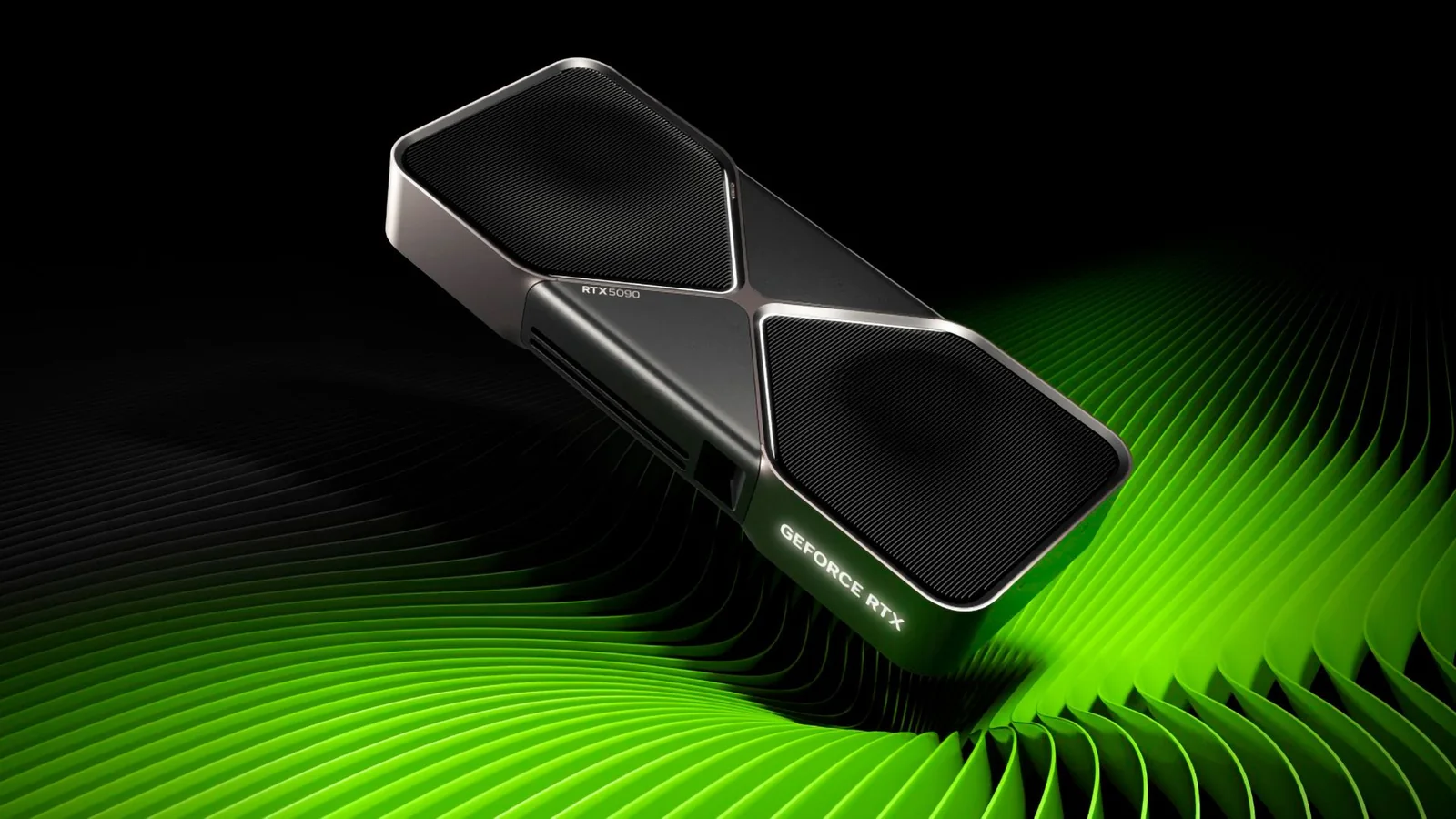
A Micro Center customer who bought an RTX 5090 in Tustin, California, was required to sign an Advanced Computing Product Purchaser Declaration form, which bars exporting the GPU, before being approved to purchase the hardware. The customer purchased a workstation equipped with an AMD Ryzen 9 9950X CPU, an RTX 5090 Founders Edition GPU, 64GB of DDR5-6000 RAM, and a 2TB SSD, and was surprised when the store manager required them to sign the compliance document.
Form for 5090’sfrom r/Microcenter
Declaration Requirements
The form requires prospective RTX 5090 buyers to provide their full legal name, residential or business address, a government-issued photo ID, contact details, the actual end user if different from the purchaser, the installation location, and the intended end use. The document states that Micro Center will not sell the product to anyone who intends to export, reexport, resell, transfer, or otherwise cause it to leave the United States. Micro Center has not publicly clarified why it implemented the requirement, though other retailers have previously utilized similar compliance forms for high-end graphics hardware.
Enforcement and Smuggling Concerns
While export restrictions on high-performance GPUs took effect to curb unauthorized shipments to restricted regions, U.S. authorities have increased scrutiny following major smuggling investigations and arrests involving illicit hardware transfers. Reports have also highlighted instances of buyers acquiring high-end gaming GPUs en masse for unauthorized resale.
It remains unclear how effectively retail compliance forms prevent large-scale smuggling operations, particularly as the documents do not typically log the specific serial numbers of the hardware being sold. The policy may serve primarily as a legal deterrent against casual scalping and unauthorized export attempts.
We have reached out to Micro Center for comment and will update as necessary.